Learn how to master sodium and fluid balance on the strict Lion Diet. Discover why the keto flu happens and how to manage electrolytes naturally with unrefined salt and meat alone.
We only share products we believe in. Buying through a link may earn us a small commission — thanks for the support. Learn more →
Embarking on the Lion Diet—the ultimate ruminant-meat elimination protocol consisting purely of ruminant meat, water, and salt—is one of the most powerful interventions for soothing chronic inflammation, digestive distress, and autoimmune flares. However, during the initial transition period, many newcomers run directly into a wall of fatigue, headaches, lightheadedness, and leg cramps. This phenomenon is commonly known as the lion diet keto flu.
While mainstream low-carb advice suggests reaching for synthetic electrolyte powders or flavored electrolyte drink mixes, the purist nature of the Lion Diet strictly excludes artificial flavorings, citric acid, stevia, and synthetic fillers. Fortunately, commercial packets are not mandatory to restore balance. By understanding how your kidneys regulate fluids and strategically using unrefined salt on the lion diet, you can sail through the adaptation phase and sustain peak energy using real, ancestral nutrition.
The Physiology of the Lion Diet Keto Flu
To prevent transition misery, you must understand the metabolic shift occurring inside your body. The keto flu is not an infection or a pathogen; it is primarily an acute fluid and mineral flush triggered by the complete withdrawal of carbohydrates, as explained by clinical insights from the Cleveland Clinic.
1. The Natriuresis of Fasting
When you consume a standard diet rich in carbohydrates, dietary glucose elevates circulating insulin. Insulin acts as a hormone signal to the renal tubules in your kidneys, telling them to hold onto sodium. When you transition to ruminant meat, carbohydrate intake drops to zero, baseline insulin plummets, and your kidneys initiate the natriuresis of fasting—a rapid, systemic dumping of sodium into your urine.
2. Glycogen Depletion and Fluid Loss
Your body stores glucose in muscle tissue and liver cells as glycogen. Every single gram of glycogen is bound to approximately three to four grams of water. As your body burns through its glycogen reserves during the first 3 to 7 days, that associated water is released and excreted. As water flushes out, it pulls vital mineral salts—predominantly sodium, potassium, and magnesium—along with it.
3. The Mineral Cascade
Sodium is the master electrolyte in extracellular fluid. When your circulating sodium falls too low, the adrenal glands release aldosterone to preserve whatever sodium remains, frequently at the expense of dumping potassium into urine. Thus, a sodium deficit creates a secondary potassium deficit, leading to heart palpitations, muscle spasms, and profound lethargy.
Why Commercial Electrolyte Supplements Conflict with the Lion Diet
Many turn to store-bought electrolyte packets, but on the Lion Diet, these products introduce complications:
- Hidden Additives: Most commercial mixes contain stevia, monk fruit, citric acid, natural flavor extracts, maltodextrin, or anti-caking agents that compromise gut healing.
- Immune Reactivity: The Lion Diet is a clinical elimination framework. Introducing plant extracts or chemical stabilizers risks provoking autoimmune or mast cell reactions.
- Excess Potassium Ratios: Concentrated potassium powder taken without food can irritate the gastric mucosa or cause intestinal distress.
Mastering Salt on the Carnivore Diet: The Ultimate Primary Electrolyte
Because the Lion Diet relies strictly on ruminant meat, water, and salt, sodium chloride serves as your primary lever for mineral regulation. As highlighted in research on Kiltz Health's guide to carnivore diet salt, optimizing natural salt intake compensates for the sodium clearing that accompanies low insulin states.
Why Unrefined Salt Matters
Not all salt is equal. Standard table salt is industrially stripped of trace minerals, bleached, and treated with synthetic anti-caking agents such as sodium aluminosilicate or yellow prussiate of soda. Instead, choose high-grade unrefined salt for the lion diet:
- Redmond Real Salt: Mined from an ancient seabed in Utah, free from modern oceanic microplastics, and naturally rich in over 60 trace minerals.
- Celtic Sea Salt (Grey Salt): Sun-dried and harvested using traditional wooden tools along pristine coastal regions, retaining residual ocean brine and magnesium chloride.
- Himalayan Pink Salt: Pure rock salt harvested from ancient mineral deposits, offering clean flavor and balanced trace elements.
How to Get Full-Spectrum Lion Diet Electrolytes Naturally
Can you meet all your electrolyte requirements without popping supplement pills? Yes. Here is how sodium, potassium, and magnesium are sourced on a strictly ruminant-based protocol.
1. Sodium: The Master Key
Aim for 4,000 to 6,000 mg of sodium daily (equivalent to roughly 2 to 3 level teaspoons of unrefined salt) during adaptation, as detailed in carnivore electrolyte transition guides. When dietary sodium is adequate, your kidneys conserve potassium and magnesium naturally.
2. Potassium: Abundant in Fresh Meat
People often associate potassium with bananas or potatoes, but fresh ruminant muscle meat is naturally rich in bioavailable potassium. A pound of raw-to-medium cooked beef provides between 1,200 to 1,500 mg of potassium. If you consume 2 to 2.5 pounds of beef daily, you receive upwards of 3,000 mg of bioavailable potassium without touching a plant.
Pro-Tip: Do not overcook your steaks. Overcooking expels intracellular juices containing dissolved potassium. If meat juices pool on your plate, pour them over your meal rather than discarding them.
3. Magnesium: Strategic Hydration & Ancestral Cuts
Magnesium is the most challenging mineral to obtain solely from muscle cuts. However, you can support magnesium levels through Lion-compliant strategies:
- Mineral-Rich Spring Waters: Certain sparkling or natural artesian spring waters (such as Gerolsteiner) carry up to 100 mg of bioavailable elemental magnesium per liter alongside natural calcium and bicarbonate.
- Slow-Simmered Ruminant Broth: Simmering marrow and knuckle bones in pure water extracts trace collagen, marrow minerals, and bioavailable salts.
- Transdermal Epsom Salt Baths: If night cramps occur during week one, soaking in a bath of pure magnesium sulfate lets you absorb magnesium transdermally through the skin, bypassing the digestive tract entirely.
Step-by-Step Protocol to Prevent the Lion Diet Keto Flu
Phase 1: The First 14 Days (Active Adaptation)
- Start the Morning with Sole Water: Dissolve 1/4 teaspoon of unrefined coarse salt in 12–16 ounces of warm filtered water right upon waking. This replenishes overnight fluid and sodium clearance before your morning movement.
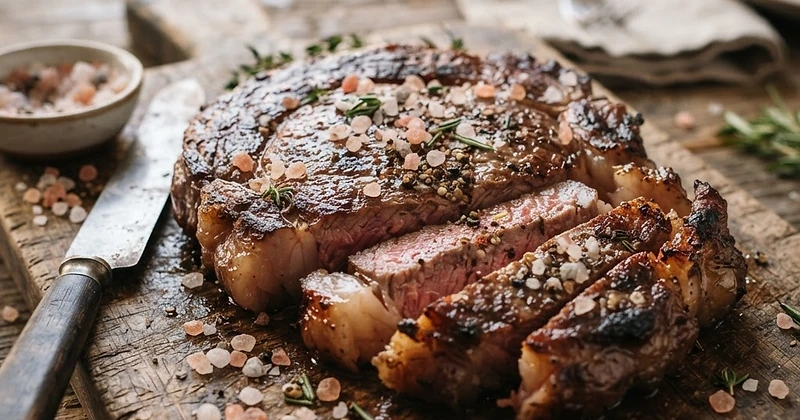
- Salt Food to Taste, Then Add a Pinch More: Heavily coat every steak, ground patty, or roast with coarse unrefined sea salt. If the meat begins to taste unpleasantly metallic, reduce the amount.
- Eat Sufficient Fat: Adequate fat intake stimulates gallbladder function and cellular energy pathways. Transitioning on lean meat causes severe lethargy and worsens fluid-retention issues. Choose 80/20 ground beef, ribeyes, short ribs, and suet.
- Avoid Overhydrating with Plain Water: Drinking gallons of reverse-osmosis or distilled water devoid of minerals flushes out circulating electrolytes, worsening headaches and muscle weakness. Drink only to thirst, and ensure you salt your meals adequately.
Phase 2: Post-Adaptation Maintenance (Week 3 and Beyond)
Once your physiology becomes keto-adapted (typically 2 to 4 weeks), your kidneys recalibrate. They become more efficient at retaining sodium, and your energy stabilizes. Many long-term Lion dieters salt purely to taste and rely on fresh ruminant meat and quality spring water without monitoring mineral metrics.
Troubleshooting Symptoms
- Dull Tension Headache or Dizziness upon Standing: A clear sign of orthostatic hypotension triggered by low intravascular volume. Dissolve 1/2 teaspoon of salt under your tongue and drink a glass of water.
- Sharp Calf or Foot Cramps at Night: Signifies acute magnesium or potassium imbalance, usually secondary to low sodium. Increase daily salt and consider a 20-minute evening Epsom salt foot soak.
- Heart Palpitations: Typically caused by compensatory adrenaline surges due to low blood pressure and sodium depletion. Increase daytime sodium and ensure adequate meal sizing.
Summary & Actionable Next Steps
The Lion Diet keto flu is an avoidable transition symptom, not an obligatory rite of passage. By keeping your sodium levels elevated with mineral-dense unrefined salt, preserving meat juices for bioavailable potassium, and sipping mineral-rich water, you provide your body with the hydration baseline needed for effortless adaptation—no manufactured pills, flavors, or sweeteners required.
Sources & References