Histamine Intolerance on the Lion Diet: Unaged Beef, Ground Beef Reactions, and Sourcing
← All articles
LifestyleLion

Histamine Intolerance on the Lion Diet: Unaged Beef, Ground Beef Reactions, and Sourcing

Struggling with flushing, insomnia, or brain fog on the Lion Diet? Discover why ground beef causes histamine reactions, the science of unaged beef, and practical sourcing strategies for MCAS and histamine intolerance.

By Editorial Team

We only share products we believe in. Buying through a link may earn us a small commission — thanks for the support. Learn more →

The Lion Diet—an ultra-strict elimination protocol consisting solely of ruminant meat (primarily beef and lamb), salt, and water—has earned a reputation as the ultimate therapeutic tool for chronic autoimmune conditions, severe gut dysbiosis, and systemic inflammation. However, for a significant subset of people transitioning to this lifestyle, an unexpected roadblock appears: flushing, palpitations, relentless insomnia, nasal congestion, or sudden anxiety after meals.

When an elimination diet meant to resolve food reactivity causes new symptoms, the culprit is rarely the meat itself. Instead, it is almost always biogenic amines. Managing lion diet histamine intolerance requires understanding how meat is processed, aged, and prepared. For those dealing with severe sensitivity or lion diet MCAS (Mast Cell Activation Syndrome), finding true unaged beef carnivore options and eliminating grocery-store ground meat is often the difference between thriving and chronic flare-ups.

The Biology of Histamines on a Carnivore Diet

Histamine is a biogenic amine produced endogenously by your immune system and found naturally in varying amounts in dietary protein. Under normal metabolic conditions, dietary histamine is broken down in the gut lining by the enzyme diamine oxidase (DAO). In healthy individuals, DAO prevents ingested histamine from crossing the intestinal barrier into the bloodstream.

However, many people turn to the Lion Diet specifically because they suffer from leaky gut, inflammatory bowel conditions, or underlying immune dysfunction. A damaged intestinal mucosal lining produces significantly less DAO. When DAO enzyme activity is insufficient, incoming dietary histamine overflows into systemic circulation, leading to symptoms that mimic allergic reactions: tachycardia, hives, tension headaches, acid reflux, brain fog, and histamine-induced insomnia.

Why Ground Beef Triggers Flare-Ups

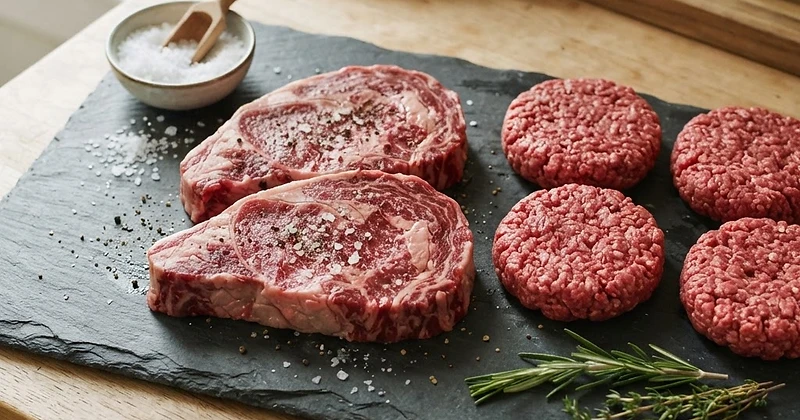
For budget-conscious carnivore dieters, ground beef is usually the foundational staple. Unfortunately, understanding histamines in ground beef reveals why it is the most common trigger for histamine-sensitive eaters:

  • Massive Surface Area: Grinding meat exposes vast amounts of surface area to oxygen. Bacteria thrive in these conditions, rapidly converting the amino acid histidine into histamine via the bacterial enzyme histidine decarboxylase.
  • Grinder Contamination and Temperature: Commercial meat grinders process enormous volumes. Meat warming during the grinding process, combined with residual bacterial biofilms in high-throughput machinery, accelerates amine formation.
  • Use of Trimmings: Ground meat is typically composed of trimmings from various carcasses that have sat exposed longer than whole-muscle primal cuts.

If you experience heart palpitations, a runny nose, or a warm facial flush within 30 to 90 minutes of eating conventional beef burgers, you are almost certainly reacting to elevated histamine levels rather than the beef itself.

The Standard Aging Process vs. Unaged Beef

Virtually all beef sold in supermarkets and high-end butcher shops is aged. Wet-aging (in vacuum-sealed bags) or dry-aging (hanging in temperature-controlled lockers) typically lasts anywhere from 14 to 45 days. Aging allows natural enzymes to break down tough muscle fibers and develop rich, savory flavors. While beneficial for texture and culinary depth, this extended hang time provides a prolonged window for ambient bacteria to produce high levels of histamines.

For those with severe histamine intolerance or MCAS, conventionally aged beef acts like a sponge soaked in biogenic amines. This is why sourcing unaged beef carnivore options is essential. Unaged beef is harvested, fabricated, and flash-frozen immediately post-slaughter (typically within 24 to 48 hours), halting the microbial conversion of histidine and keeping amine concentrations at an absolute minimum.


Join the Community

Create your free account to access personalized targets, daily tracking, and lifestyle guidance tailored to your diet path.

Sign Up Free

Sourcing Low-Histamine Beef: Practical Solutions

Finding meat suitable for histamine intolerance requires asking specific questions about processing timelines. Here is how to navigate sourcing:

1. Specialized Low-Histamine Ranches

A growing number of regenerative farms and online butchers cater specifically to individuals with MCAS and amine sensitivities. Producers such as TruBeef Organic, Prairie Foods, and Northstar Bison harvest cattle and immediately freeze cuts without a hanging or aging window. These operations flash-freeze both primal cuts and single-batch ground meats directly at harvest to lock in freshness.

2. Local Custom Processors

If you buy beef locally from small farms or homesteaders, speak directly with the locker or USDA processor. When purchasing a quarter, half, or whole cow, request a "no-hang" or 24-hour hang time. Request that your order be cut, vacuum-sealed, and flash-frozen immediately. While the steaks may be slightly firmer than 30-day dry-aged cuts, they will be vastly better tolerated.

3. Alternative Ruminants (Lamb, Goat, Bison)

If commercial unaged beef is temporarily out of reach, lamb and goat are frequently tolerated better than standard beef. Lamb is traditionally harvested younger and hung for a significantly shorter duration (often only a few days) compared to large beef cattle. Many Lion Diet adherents find they can thrive on fresh lamb shoulder, chops, and shank while their gut lining heals.

Low-Histamine Meat Preparation and Kitchen Hygiene

Sourcing low-histamine meat is only half the battle; how you handle, thaw, and cook your meat at home is just as critical. Follow these best practices to prevent amine accumulation:

  • Cook Straight from Frozen: Avoid thawing meat in the refrigerator for 24 to 48 hours. Instead, cook whole steaks, roasts, or thin patties directly from the freezer using an air fryer, cast-iron skillet, or pressure cooker.
  • Rapid Thawing: If you must thaw, submerge sealed vacuum packs in a bowl of cold water for 20 to 30 minutes just prior to cooking. Never leave meat thawing on the counter at room temperature.
  • Never Eat Leftovers: Histamine production resumes immediately once meat cools. Cooked beef stored in the refrigerator will accumulate significant histamine within 12 to 24 hours. Freeze leftover portions immediately after cooking and reheat them directly from frozen.
  • Avoid Slow Cooking and Bone Broths: Long, slow cooking methods (such as 12-to-24-hour bone broths or 8-hour crockpot roasts) generate massive amounts of free histamines and glutamates. Instead, favor quick, high-heat sears or rapid high-pressure cooking.

Actionable Troubleshooting Roadmap

If you are struggling on the Lion Diet, take these practical steps over the next 14 days to reset your baseline:

  1. Pause Ground Meat: Switch entirely to unaged whole-muscle cuts (such as ribeye, strip, or chuck steak) or quick-frozen lamb cuts.
  2. Eliminate Leftovers: Cook only what you intend to eat in one sitting, or freeze meal-prepped portions immediately in airtight containers.
  3. Source True Unaged Beef: Order a trial batch of unaged, flash-frozen meat from an MCAS-informed supplier to test your personal tolerance baseline.
  4. Support Intestinal Healing: Recognize that histamine intolerance on carnivore is often a temporary state reflecting underlying dysbiosis or gut barrier compromise. As the gut mucosal lining regenerates over several months of strict elimination, DAO production frequently rebounds, allowing broader meat tolerances later on.

Join the Community

Create your free account to access personalized targets, daily tracking, and lifestyle guidance tailored to your diet path.

Sign Up Free

We use cookies and similar technologies to operate the site and improve your experience. By continuing, you agree to our use of non-essential cookies. See our Privacy Policy.