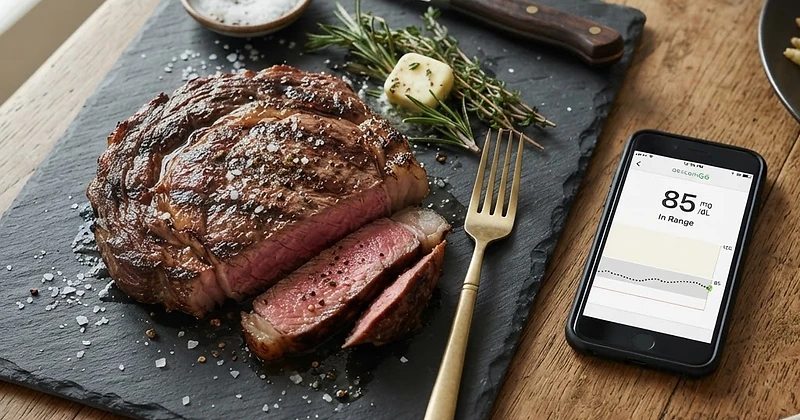
Discover how an all-meat, zero-carb carnivore diet reverses insulin resistance, stabilizes blood sugar spikes, and dramatically drops HbA1c levels.
We only share products we believe in. Buying through a link may earn us a small commission — thanks for the support. Learn more →
Insulin resistance has become the defining metabolic epidemic of modern times. Often called the silent precursor to type 2 diabetes, metabolic syndrome, and cardiovascular disease, insulin resistance occurs when cellular receptors stop responding efficiently to insulin, causing the pancreas to pump out ever-increasing amounts of this storage hormone to control blood glucose.
While conventional nutritional guidelines frequently advocate for high-fiber, low-fat diets to manage metabolic disease, a growing body of clinical evidence and human trials suggests an alternative approach: eliminating dietary carbohydrates altogether. Understanding how the carnivore diet and insulin resistance interact reveals why an animal-based, zero-carbohydrate protocol has become one of the most effective interventions for stabilizing carnivore diet blood sugar and dramatically dropping carnivore diet a1c levels.
The Core Physiology: Carbohydrates, Insulin, and Cellular Congestion
To grasp why an all-meat diet works, one must first identify the root driver of chronic hyperinsulinemia. When you consume dietary carbohydrates—whether refined sugar or whole grains—your digestive tract breaks them down into glucose. This glucose floods the bloodstream, demanding an immediate surge of insulin from pancreatic beta cells to shuttle glucose into skeletal muscle, liver tissue, and adipocytes (fat cells).
Over years of repeated glycemic surges, liver and muscle tissues become overloaded with glycogen and intracellular lipids (diacylglycerol and ceramides). In response to cellular energy overload, these tissues downregulate their insulin receptors. As a consequence, circulating insulin levels remain persistently elevated, which:
- Suppresses lipolysis (the breakdown of stored body fat)
- Promotes visceral and hepatic adiposity (non-alcoholic fatty liver disease)
- Increases systemic inflammation and oxidative stress
- Maintains high baseline blood glucose, ultimately leading to type 2 diabetes
The Zero-Carb Shift: How the Carnivore Diet Targets Insulin Resistance
By transitioning to an animal-based diet composed exclusively of meat, fish, eggs, and animal fats, you remove exogenous glucose from the metabolic equation. The impact on insulin dynamics is immediate and profound.
1. Halting Postprandial Glucose Spikes
Unlike carbohydrates, dietary fats produce a negligible insulin response. While dietary protein does stimulate some insulin secretion to facilitate amino acid uptake into tissues, it also stimulates the release of glucagon—a counter-regulatory hormone that prevents blood glucose from dropping. Because dietary glucose is virtually zero, the dramatic spikes and steep drops in blood sugar disappear, yielding a stable, flat continuous glucose monitor (CGM) profile.
2. Depleting Ectopic Fat in the Liver and Pancreas
Research led by Dr. Roy Taylor and the landmark DIRECT trial demonstrated that reversing type 2 diabetes hinges on depleting fat deposits inside the liver and pancreas. When carbohydrates are removed, the liver switches from synthesizing fat (de novo lipogenesis) to oxidizing stored fatty acids into ketones. Clearing hepatic fat restores hepatic insulin sensitivity, allowing the liver to properly regulate endogenous glucose production.
3. The Evidence: Clinical Insights and Survey Data
In a milestone survey conducted by researchers at Harvard University published in Current Developments in Nutrition analyzing over 2,000 adult carnivore dieters, participants with preexisting diabetes reported exceptional outcomes. Among those with type 2 diabetes, 95% eliminated or significantly reduced their insulin requirements, and median HbA1c dropped drastically. A documented case study in the Journal of Medical Case Reports demonstrated the complete reversal of 20 years of type 2 diabetes and hypertension following a transition to a strict carnivore protocol.
Understanding Carnivore Diet A1c Levels and Blood Sugar Nuances
While the majority of individuals adopting the carnivore diet see their HbA1c drop into the optimal range (below 5.4%), some long-term carnivore and ketogenic dieters notice unexpected laboratory findings: slightly elevated fasting glucose or an A1c that plateaus slightly higher than anticipated. Understanding these physiological adaptations ensures you interpret your bloodwork correctly.
Physiological Insulin Resistance (Adaptive Glucose Sparing)
After prolonged zero-carb adaptation, skeletal muscles preferentially switch to burning free fatty acids and ketone bodies for energy. To preserve the modest amount of glucose produced by the liver (via gluconeogenesis) for glucose-dependent tissues like red blood cells and parts of the brain, muscle tissues develop a benign, temporary resistance to insulin. This is known as adaptive glucose sparing.
Unlike pathological insulin resistance driven by energy excess and hyperinsulinemia, physiological insulin resistance occurs in the presence of very low fasting insulin. If your fasting glucose sits between 90–105 mg/dL on carnivore, but your fasting insulin is low (under 5 μIU/mL) and your triglycerides-to-HDL ratio is excellent (under 1.5), this reflects normal adaptation, not disease.
Red Blood Cell Longevity and HbA1c
The HbA1c test measures the percentage of hemoglobin bound to glucose over the lifespan of a red blood cell (typically 90 to 120 days). When systemic inflammation drops and oxidative stress declines on a nutrient-dense carnivore diet, red blood cells often survive longer. A longer red blood cell lifespan means more cumulative exposure to even normal baseline glucose, which can artificially nudge the HbA1c calculation upward by 0.2–0.4% without any underlying pathology.
Practical Protocol: Using the Carnivore Diet for Diabetes and Metabolic Health
If you are adopting an animal-based lifestyle to resolve insulin resistance and reclaim insulin sensitivity, follow these practical steps:
- Prioritize Fatty Ruminant Meat: Build meals around beef, lamb, and bison. Fatty cuts like ribeye, 80/20 ground beef, and chuck roast provide the essential fatty acids and fat-soluble vitamins (A, D, K2) required to fuel mitochondrial recovery without relying on carbs.
- Avoid Lean Protein Traps: Consuming lean cuts with inadequate fat can stimulate excessive gluconeogenesis and lack satiety. Aim for a caloric macronutrient ratio close to 70–75% fat and 25–30% protein.
- Eliminate Hidden Carbohydrates: Cut out processed meats that use dextrose, corn syrup, or maltodextrin as fillers. Stick to fresh meats, tallow, butter, ghee, and unadulterated eggs.
- Manage Dairy Intake: Liquid milk contains lactose (a sugar), and excessive cheese or heavy cream can elevate insulin levels in metabolically sensitive individuals. If your blood sugar or insulin remains stalled, eliminate dairy except for grass-fed butter or tallow.
- Work with Your Physician to Adjust Medications: Blood sugar drops rapidly upon eliminating dietary carbohydrates. If you are taking exogenous insulin, sulfonylureas, or SGLT2 inhibitors, close medical supervision is critical to taper medications safely and prevent severe hypoglycemia.
The Bottom Line
Insulin resistance is primarily driven by dietary carbohydrate intolerance in a cellular environment already saturated with energy. By eliminating carbohydrates, the carnivore diet addresses this root cause directly: it relieves pancreatic stress, clears ectopic liver fat, and allows the body to transition smoothly to a fat-fueled metabolic state. For those looking to take control of their blood sugar, lower their A1c, and reverse chronic insulin resistance, an animal-based carnivore approach offers a clinically verified, biochemically sound path forward.
Sources & References
- Brand-Miller, J. C., & Colagiuri, S. (2012). The Carnivore Connection Hypothesis: Revisited. Journal of Nutrition and Metabolism. PMC3253466.
- Lennerz, B. S., et al. (2021). Behavioral Characteristics and Self-Reported Health Status among 2029 Adults Consuming a "Carnivore Diet". Current Developments in Nutrition, 5(12), nzab133.
- Sardana, D., et al. (2024). Reversing 20 years of diabetes using the carnivore diet: A case report. Journal of Medical Case Reports. PMC13007801.
- Taylor, R. (2013). Type 2 diabetes: etiology and reversibility. Diabetes Care, 36(4), 1047-1055.