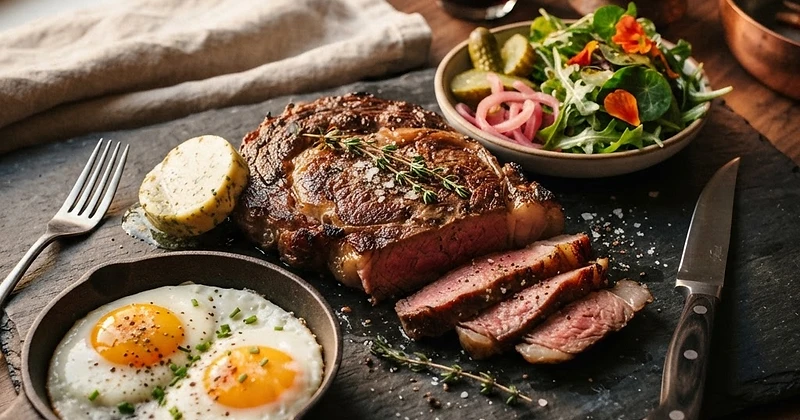
Discover how a ketovore diet addresses the root causes of insulin resistance through deep nutritional satiety, ketone signaling, and blood sugar stabilization.
We only share products we believe in. Buying through a link may earn us a small commission — thanks for the support. Learn more →
Insulin resistance is at the core of the modern chronic health epidemic. From persistent brain fog and uncontrollable cravings to visceral adiposity and type 2 diabetes, impaired insulin signaling prevents cells from effectively utilizing energy. Conventional guidelines frequently recommend frequent, high-carbohydrate meals balanced with artificial restriction, keeping insulin levels chronically elevated.
A growing body of metabolic science reveals that addressing insulin resistance requires targeting the root problem: chronic hyperinsulinemia. Enter the ketovore approach—a hybrid framework that merges the nutrient density and gut-sparing qualities of an animal-based diet with the targeted metabolic flexibility of low-carbohydrate living. By emphasizing fatty meats, organs, eggs, and minimal low-inflammatory plant foods, a ketovore lifestyle fosters deep satiety, therapeutic ketone production, and blood sugar stability.
The Core Pathology: Understanding Hyperinsulinemia
Insulin is primarily known for shuttling glucose into cells, but it also functions as the body's primary energy storage hormone. When cells in skeletal muscle, the liver, and adipose tissue become flooded with excess glucose, they downregulate their response to insulin. The pancreas compensates by producing increasingly higher amounts of insulin to maintain blood sugar within physiological boundaries.
As explained in metabolic clinical trials and literature summarized in reviews like those in Nutrients, this persistent elevation of insulin inhibits lipolysis (the breakdown of stored fat) and traps individuals in an energy-seeking cycle of hunger and glucose crashes. True low carb metabolic healing requires emptying cellular energy stores, dropping systemic insulin demands, and teaching mitochondria to burn fatty acids and ketones.
How Ketovore Tackles Insulin Resistance
The ketovore framework typically derives 85% to 95% of its caloric intake from nutrient-dense animal foods, using minimal amounts of low-glycemic, low-toxin plant products (such as fermented vegetables, avocado, or select herbs). This structure offers specific advantages for restoring metabolic health.
1. Deep Satiety and Hunger Regulation
Unlike standard low-calorie or low-fat diets that trigger biological starvation defenses, an animal-based diet rich in bioavailable proteins and fats directly stimulates satiety signaling:
- Satiety Hormones: Intact animal proteins and lipids stimulate the release of cholecystokinin (CCK) and peptide YY (PYY), which signal fullness directly to the hypothalamus.
- Ghrelin Suppression: Nutritional ketosis suppresses ghrelin (the primary hunger hormone), preventing the rebound cravings that frequently undermine metabolic recovery.
- Nutrient Density: Satiety is nutritional as well as volumetric. Essential amino acids, zinc, carnitine, heme iron, and B-vitamins provide tissues with essential raw materials without glucose spikes.
2. Beta-Hydroxybutyrate: More Than Just Fuel
Limiting carbohydrate intake leads the liver to convert fatty acids into ketone bodies, predominantly beta-hydroxybutyrate (BHB). As noted by metabolic researchers at Virta Health, ketones function not only as an efficient fuel alternative to glucose but also as potent signaling molecules.
BHB exerts epigenetic effects by inhibiting histone deacetylases (HDACs), which reduces systemic oxidative stress and dampens inflammation. Because chronic low-grade inflammation is an established trigger of peripheral insulin receptor dysfunction, the anti-inflammatory action of ketones aids in repairing insulin sensitivity at the cellular membrane.
3. Flatline Blood Sugar Stability
When dietary carbohydrate intake remains consistently low, digestive surges of glucose disappear. The liver maintains normal blood glucose levels through gluconeogenesis, producing glucose on an as-needed basis rather than in response to a sudden dietary influx. Research demonstrates that the insulin required to manage a ketogenic, animal-heavy meal is significantly lower than that required by standard diets (Nutrients). This removes the need for large postprandial insulin spikes, giving overworked pancreatic beta cells an opportunity to rest and recover.
Actionable Steps: Implementing a Ketovore Protocol
Transitioning to an animal-based protocol requires intentional planning to ensure sustained adherence and comfort during the metabolic adaptation phase.
- Prioritize Ruminant Meats: Make beef, lamb, bison, and venison the core of your plate. These meats offer balanced fatty acid profiles, high bioavailability, and stable micro- and macronutrient ratios.
- Incorporate Secondary Animal Foods: Add pastured egg yolks, wild fatty fish, tallow, lard, and modest servings of organ meats like liver to secure fat-soluble vitamins (A, D, K2).
- Curate Selective Plants Mindfully: If you include plants, opt for well-tolerated, low-carbohydrate options such as fermented sauerkraut, avocado, or peeled zucchini. Keep total daily carbohydrates below 20 grams of net carbs to maintain ketosis.
- Hydrate and Manage Electrolytes: Lowering insulin levels causes the kidneys to excrete sodium and water rapidly. Supplement with unrefined salt, magnesium, and potassium to prevent headaches and lethargy during the adaptation phase.
- Track Key Metabolic Biomarkers: Evaluate progress beyond standard scale weight. Monitor fasting insulin, HbA1c, fasting triglycerides, and high-density lipoprotein (HDL). The triglyceride-to-HDL ratio (ideally under 1.5) serves as a reliable surrogate marker for resolving insulin resistance.
Long-Term Outlook: Healing vs. Tolerance
A common question is whether a low-carbohydrate, animal-based lifestyle permanently cures insulin resistance or simply manages it. As insulin-resistant tissues decompress and visceral fat decreases, baseline insulin sensitivity markedly improves. However, individuals with past metabolic dysfunction often retain a genetic or physiological sensitivity to carbohydrates.
Using a ketovore diet to reverse insulin resistance is less about reintroducing processed starches and more about restoring metabolic flexibility. Once the body recovers its ability to thrive on fatty acids and ketones, energy levels remain steady, appetite self-regulates, and metabolic stability is maintained.
Sources & References
- Virta Health (Phinney, S., et al.). Does a ketogenic diet reduce insulin resistance long-term? virtahealth.com
- Nutrients (MDPI). The Effects of Ketogenic Diet on Insulin Sensitivity and Weight Loss: Which Came First: The Chicken or the Egg? PMC10385501
- Biochemical and Biophysical Research Communications (Ma, Q., et al.). Ketogenic diet ameliorates high-fat diet-induced insulin resistance and promotes glucose uptake in skeletal muscle. sciencedirect.com
- Newman, J.C., Verdin, E. β-hydroxybutyrate: Much more than a metabolite. Diabetes Res Clin Pract. 2014; 106(2):173-181.