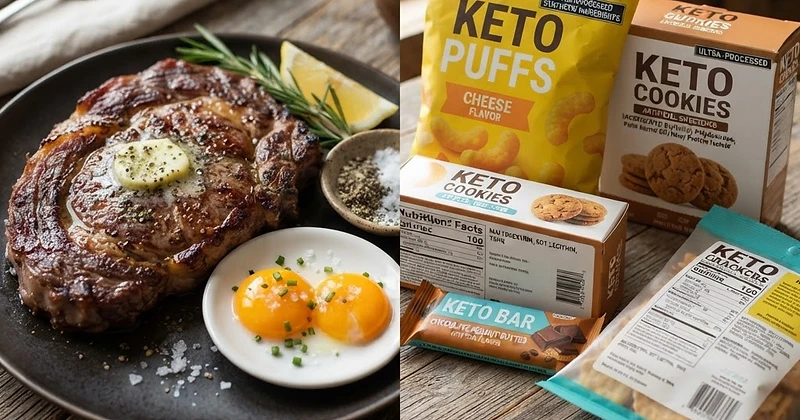
Chasing ketone strips with processed convenience foods is a recipe for chronic inflammation. Discover why Ketovore's whole-food, animal-first approach beats dirty keto macro counting every time.
We only share products we believe in. Buying through a link may earn us a small commission — thanks for the support. Learn more →
When most people adopt a ketogenic lifestyle, their initial objective is simple: reduce carbohydrates below 20 to 50 grams per day to force the body into ketosis and burn fat for fuel. On paper, it sounds like an infallible mathematical formula. If the macros align—typically 70% to 80% fat, 15% to 20% protein, and under 5% net carbs—you are told you are doing keto correctly.
However, this reductionist mindset has given rise to a pervasive health pitfall known as dirty keto. In the pursuit of maintaining metabolic ketosis without giving up modern food habits, many dieters end up consuming heavily processed convenience items, industrial fats, and synthetic sweeteners. While the bathroom scale might show early progress, systemic inflammation, digestive distress, and stalled fat loss inevitably follow.
The solution isn’t merely balancing another spreadsheet of macronutrients. The antidote to this metabolic impasse is Ketovore: an animal-first, nutrient-dense lifestyle that prioritizes food matrix quality over empty numerical compliance.
The Dirty Keto vs. Clean Keto Divide
In the debate over dirty keto vs clean keto, the core conflict is nutrient density versus mere carbohydrate restriction. Both protocols restrict dietary carbohydrates, but their underlying philosophy couldn’t be more disparate.
- Dirty Keto: Adheres strictly to the macronutrient breakdown of high-fat, low-carb eating regardless of food sourcing. If a convenience snack contains 20 grams of fat, 2 grams of net carbs, and negligible protein, it earns a spot on the menu—even if derived from hydrogenated industrial seed oils and chemical binding gums.
- Clean Keto: Emphasizes unadulterated whole foods, sourcing organic vegetables, pastured meats, and natural fats like tallow, butter, or extra virgin olive oil.
The fundamental flaw of the dirty approach is treating the human body like a simple combustion engine rather than an intricate biochemical system. Your physiology does not evaluate foods purely as units of potential energy; it responds to biological signals, fatty acid profiles, and micronutrient bio-availability.
The Hidden Dangers of Keto Frankenfoods
Walk down any grocery store aisle today and you will find an endless variety of packaged low-carb treats: keto cookies, almond-flour brownies, fiber-loaded tortillas, and sugar-free candy bars. These keto frankenfoods allow dieters to simulate their former standard American diet while staying technically low-carb.
Yet, these products come with profound physiological costs:
1. Gut Permeability and GI Distress
To keep net carbohydrates artificially low, commercial manufacturers rely on massive quantities of isolated plant fibers (like modified corn starch, tapioca fiber, and soluble corn fiber) paired with high concentrations of sugar alcohols (maltitol, erythritol, and xylitol). These compounds frequently trigger intense bloating, water retention, gas, and disruption of the intestinal microbiome.
2. Chemical Emulsifiers and Preservatives
Processed low-carb convenience items depend on stabilizers like xanthan gum, carboxymethylcellulose, and polysorbates to maintain shelf stability. Repeated ingestion of industrial emulsifiers has been linked to compromised gut barrier integrity and low-grade, persistent endotoxemia.
3. The Insulin Response Beyond Glucose
While artificial sweeteners and isolated fibers may not generate a massive spike on a continuous glucose monitor (CGM), certain non-nutritive sweeteners and protein isolates can provoke an insulin response or stimulate cephalic phase reactions that trigger cravings and stall fat adaptation.
Seed Oils on Keto: Pouring Fuel on the Fire
One of the most insidious aspects of dirty keto is the heavy reliance on cheap, polyunsaturated vegetable oils. When dieters aim for 70% to 80% daily fat intake without emphasizing animal sources, they routinely consume mayonnaise, salad dressings, and pre-packaged meats soaked in soybean oil, canola oil, cottonseed oil, and corn oil.
The dangers of seed oils on keto cannot be overstated:
- Linoleic Acid Overload: Industrial seed oils are packed with omega-6 linoleic acid. When consumed in extreme quantities, this fragile polyunsaturated fatty acid incorporates directly into cell membranes and adipose tissue, driving systemic oxidative stress.
- Prone to Oxidation: Unlike stable saturated fats and monounsaturated fats, polyunsaturated fats possess multiple double bonds that oxidize rapidly when exposed to the heat, light, and chemical refining of industrial extraction. Ingesting oxidized lipids elevates circulating oxidized LDL particles, a prime driver of endothelial damage.
- Mitochondrial Dysfunction: Excess omega-6 fatty acids can compromise mitochondrial membrane function, impairing cellular energy production and blunt metabolic flexibility.
Why Ketovore Trumps Strict Macro Counting
If dirty keto is a biochemical landmine and standard clean keto often relies too heavily on irritating plant defense compounds (such as oxalates, phytates, and lectins), the Ketovore diet represents the ultimate middle ground.
Ketovore is an animal-first paradigm. It centers the daily diet on nutrient-dense animal proteins and natural fats (beef, lamb, pasture-raised eggs, ruminant tallow, and seafood), while relegating plant foods to an occasional, low-toxicity role or omitting them entirely.
True Bioavailable Micronutrients
Instead of relying on synthetic vitamins sprayed onto a processed bar, ketovore delivers vitamins A, D3, K2, B12, zinc, iron, and choline in their most bioavailable, evolutionary forms. The human body does not need to convert precursors; it absorbs these vital nutrients seamlessly from real animal sources.
Effortless Satiety Over Willpower
Dirty keto dieters constantly wrestle with cravings because keto frankenfoods mimic hyper-palatable junk food. In contrast, genuine ketovore whole foods stimulate genuine peptide YY (PYY) and cholecystokinin (CCK) satiety signaling. A fatty ribeye, a bowl of ground bison, or pasture-raised eggs in grass-fed tallow trigger true cellular fullness, making obsessive calorie and macro tracking virtually obsolete.
Practical Blueprint: Transitioning to Clean Ketovore
Escaping the dirty keto trap requires ditching artificial formulations and embracing authentic, nutrient-rich animal foods. Use this actionable roadmap to transform your metabolic health:
- Clear Out the Pantry: Ruthlessly eliminate packaged keto bars, low-carb wraps, diet sodas, and conventional dressings loaded with canola or soybean oil.
- Prioritize Ruminant Meat: Anchor your daily nutrition around beef, lamb, and bison. These meats offer the ideal fatty acid profile and superior micronutrient density.
- Swap to Ancestral Fats: Replace industrial vegetable oils with grass-fed tallow, lard, butter, or duck fat. These saturated and monounsaturated fats remain remarkably stable under high heat.
- Keep Plants Functional (or Optional): If you include plants, stick to minimal, well-tolerated options such as avocados, olives, or a touch of fermented vegetables. Avoid lectin-heavy keto staples like almond-flour baked goods and raw spinach salads.
- Eat to Satiety, Not Macros: Stop stressing over exact percentage ratios. Eat nutrient-rich animal protein and fat until comfortably satisfied. When your body receives genuine nutrition, your innate hunger cues will calibrate naturally.
Sources & References