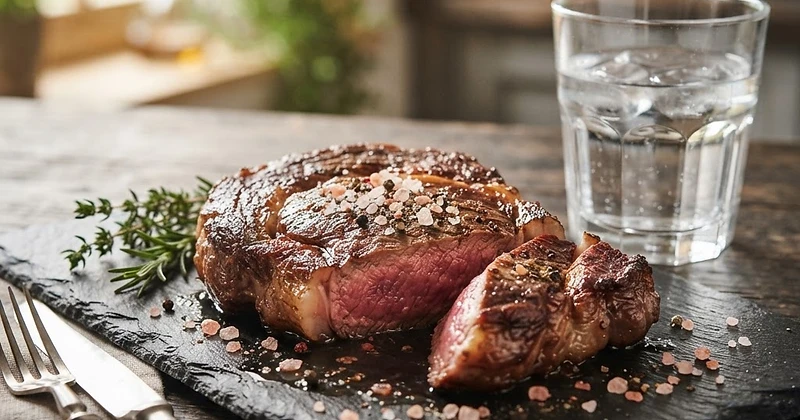
Wondering if fresh ruminant meat provides enough minerals? Discover the science of lion diet electrolytes, optimal hydration, and whether you truly need salt beyond food.
We only share products we believe in. Buying through a link may earn us a small commission — thanks for the support. Learn more →
The Lion Diet is arguably the most stringent and restorative elimination protocol in the ancestral health space. By stripping nutrition down to just three components—ruminant meat (beef, lamb, bison), water, and salt—it removes inflammatory triggers, plant antinutrients, and industrial additives. Yet, for many beginners and seasoned carnivores alike, a critical question arises: Do you truly need salt beyond food on the Lion Diet, or does fresh ruminant meat supply all the electrolytes your body requires?
Navigating lion diet electrolytes requires understanding human physiology in the absence of carbohydrates. When insulin drops, the kidneys process minerals and water fundamentally differently than on a standard diet. Let us examine the physiology of fluid balance, evaluate the ancestral case against added salt, and establish clear guidelines for achieving optimal hydration.
The Physiology of Hydration on a Zero-Carb Elimination Protocol
To understand hydration on the lion diet, we must first dispel the myth that hydration simply means drinking large volumes of plain water. True hydration is an electrical and cellular process governed by electrolytes: sodium, potassium, and magnesium.
The Natriuresis of Fasting and Low Insulin
When you consume zero carbohydrates, circulating insulin levels plummet to stable baselines. Insulin acts directly on the renal tubules, signaling the kidneys to retain sodium. As insulin levels drop, the kidneys enter a state known as the natriuresis of fasting, aggressively excreting sodium and with it, systemic water weight.
Because sodium regulates extracellular fluid volume, its loss pulls water out of the bloodstream and tissues. If you respond to this fluid loss by guzzling gallons of plain water, you dilute your remaining serum sodium—a state called hyponatremia. This dilution triggers classic symptoms often mislabeled as the "keto flu" or "meat-adaptation fatigue."
The Interplay: Sodium, Potassium, and Magnesium
Electrolytes operate in tight physiological synergy:
- Sodium: The primary extracellular cation. When sodium is low, the body secretes aldosterone, which attempts to spare sodium by forcing the kidneys to waste potassium instead.
- Potassium: The primary intracellular cation. Fresh ruminant muscle meat is naturally rich in potassium (roughly 300 to 400 mg per 100 grams), but potassium cannot stay balanced inside cells if sodium levels are depleted.
- Magnesium: Responsible for over 300 cellular enzymatic reactions and cellular ATP function. While present in meat, modern soil depletion means beef contains modest amounts of magnesium.
Can You Get Enough Salt and Minerals From Meat Alone?
In carnivore circles, a common philosophical debate persists regarding salt on the lion diet: Did ancestral humans salt their food, or did they get all required minerals from wild game?
The Ancestral Argument (No Added Salt)
Proponents of the "no-salt" approach argue that Paleolithic hunter-gatherers lacked shaker bottles of refined sodium chloride. They point out that consuming the entire animal—including blood, bone marrow, brain, organ meats, and interstitial fluids—provided complete mineral profiles. Unprocessed muscle meat naturally contains about 50 to 70 mg of sodium per 100 grams. If you consume two to three pounds of meat daily, you obtain 500 to 1,000 mg of sodium naturally.
The Modern Reality (Why Most People Need Added Salt)
While the ancestral argument is biochemically sound in theory, modern conditions differ significantly:
- Exsanguinated Meat: Modern slaughterhouses drain the blood from livestock, removing the most sodium-dense component of the animal.
- Strict Muscle Meat Focus: Most Lion Diet adherents eat grocery store ribeyes or ground beef rather than drinking raw blood or consuming whole ruminant organs.
- Kidney Clearance: The absence of dietary carbohydrates dramatically accelerates renal sodium loss compared to mixed ancestral diets that may have included seasonal honey or root tubers.
For these reasons, most individuals on the Lion Diet require added dietary salt to avoid chronic low-sodium symptoms.
Signs Your Lion Diet Electrolytes Are Out of Balance
Recognizing mineral deficiencies allows you to adjust your intake before severe imbalances take hold.
Signs of Insufficient Sodium
- Postural dizziness (lightheadedness upon standing up quickly)
- Persistent tension headaches or "brain fog"
- Muscle cramps, especially in the calves and feet at night
- Craving salty or savory tastes despite eating to satiety
- Lethargy and poor muscular endurance during workouts
Signs of Excessive Salt or Dehydration
- Unquenchable thirst despite drinking water regularly
- Puffiness, water retention, or noticeable swelling in the hands and face
- Elevated resting heart rate or blood pressure spikes
- Digestive distress or osmotic diarrhea (often caused by taking too much concentrated salt water at once)
The Optimal Water and Salt Ratio on Carnivore
Balancing your water and salt ratio on carnivore prevents flushing out essential electrolytes while maintaining optimal cellular hydration.
1. The Baseline Intake Strategy
Most people thrive on a baseline of 3,000 to 5,000 mg of sodium per day, which corresponds to roughly 1.5 to 2.5 teaspoons of unrefined salt. This is best consumed directly on your food rather than forced through large quantities of salty water.
2. The "Salt to Taste" Principle
The human tongue has an innate biological sensor for sodium. When your body is sodium-depleted, salty meat tastes sweet, savory, and exceptionally delicious. When your sodium stores are full, heavily salted food begins to taste sharp, bitter, or unappealing. Trusting your palate is your most accurate regulatory mechanism.
3. Proper Fluid Intake Protocol
Do not force water consumption according to arbitrary rules like "drink a gallon a day." Instead:
- Drink to thirst: Drink clean, non-chlorinated spring or filtered water when thirsty.
- Check your urine: Aim for a pale, straw-colored tint. Completely clear urine typically indicates you are overconsuming water and washing away vital ions. Dark amber urine indicates you need more fluids.
- Avoid drinking during meals: Avoid drinking large glasses of water 30 minutes before or after a meal, as this can dilute gastric stomach acids needed to break down dense ruminant fats and proteins.
Practical Action Steps: Sourcing and Protocol
To establish seamless electrolyte balance on the Lion Diet, follow this straightforward daily approach:
- Choose Unrefined Salts: Opt for mineral-rich, additive-free salts such as ancient rock salt (Redmond Real Salt) or Pink Himalayan salt. Avoid standard white table salts that contain anti-caking agents like sodium aluminosilicate.
- Liberal Seasoning: Salt your steaks and ground beef generously during preparation and at the table. If you experience muscle cramps or afternoon fatigue, take a pinch of coarse salt straight onto your tongue and wash it down with a sip of water.
- Transition Period Supplementation: During your first 2 to 4 weeks of strict lion eating, your mineral losses will be at their peak. A simple homemade electrolyte water—combining a pinch of unrefined salt and food-grade magnesium chloride or citrate—can ease the adaptation phase if approved by your medical professional.
- Evaluate Long-Term Needs: After 3 to 6 months of adaptation, some people naturally find themselves wanting less salt. Follow your palate: reduce salt if meals begin tasting overly briny, or keep your intake steady if you remain physically active.
Conclusion
Do you need salt beyond food on the Lion Diet? In the context of modern butcher-cut ruminant meats, yes, the vast majority of people do. Salt is not merely a flavor enhancer on a carnivore protocol; it is a foundational metabolic requirement that safeguards cellular hydration, muscular contraction, and neurological clarity. Salt your food to taste, honor your natural thirst signals, and let your body settle into optimal equilibrium.
Sources & References