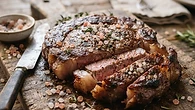
Transitioning to an animal-based low-carb diet? Discover why the ketovore flu strikes, how electrolyte flushing occurs, and the best supplements to restore your vitality.
We only share products we believe in. Buying through a link may earn us a small commission — thanks for the support. Learn more →
Switching from a standard carbohydrate-heavy diet to an animal-based, ketovore framework is one of the most metabolically transformative moves you can make. By centering your nutrition around ruminant meats, eggs, seafood, and targeted animal fats while eliminating refined grains and sugars, your body initiates a deep shift toward fat adaptation.
However, during those initial days, many beginners run headfirst into a wall of fatigue, headaches, and physical sluggishness. Commonly dubbed the "keto flu"—or in our space, the ketovore flu—this collection of transition symptoms is often misunderstood. It is not an actual viral infection, nor does it indicate that an animal-based diet is failing you. Rather, it is almost entirely an acute deficiency of fluids and essential minerals caused by rapid metabolic adjustments.
Understanding Ketovore Flu Symptoms
When you drastically lower your carbohydrate intake to animal-based thresholds, circulating insulin drops dramatically. Insulin signals the kidneys to hold onto sodium. When insulin plunges, your kidneys open the floodgates and rapidly excrete both water and essential minerals into your urine.
Furthermore, each gram of stored glycogen in your liver and muscle tissue binds roughly three to four grams of water. As these glycogen reserves empty to pave the way for fat burning, your body undergoes a rapid "flush." Without proactive repletion, you experience hallmark ketovore flu symptoms, including:
- Persistent, dull tension headaches
- Brain fog and poor mental clarity
- Lethargy, weakness, and heavy limbs
- Sudden muscle twitches or night cramps (especially in calves and feet)
- Postural dizziness or lightheadedness upon standing
- Mild nausea, irritability, and intense salt cravings
- Disturbed sleep or midnight wakefulness
These symptoms typically appear within the first 24 to 72 hours of carbohydrate restriction and can last up to a week if left unmanaged, according to clinical overviews by the Harvard Health Blog. Fortunately, with the right mineral strategy, this transition phase can be shortened or avoided entirely.
The Core Mineral Triad: Ketovore Electrolytes
Mastering your hydration on a low-carb, animal-dominant protocol requires understanding the interplay among the three vital ketovore electrolytes: sodium, potassium, and magnesium.
1. Sodium (The Anchor Mineral)
Sodium is the primary extracellular electrolyte and the foundation of fluid balance. On a high-carb diet, sodium retention is high, but on ketovore, you lose sodium rapidly. When sodium drops, blood volume decreases, causing dizziness, weakness, and low energy. Furthermore, when sodium levels decline, the kidneys excrete potassium to compensate, compounding the deficit. Aiming for generous salting of animal proteins is foundational.
2. Potassium (Intracellular Balance)
Potassium works in direct partnership with sodium to regulate cellular voltage, muscle contraction, and cardiac rhythm. While standard keto relies heavily on massive bowls of spinach or avocados to reach potassium targets, a ketovore diet obtains bioavailable potassium directly from fresh, unpreserved muscle meats, salmon, and select low-toxicity plants if utilized.
3. Magnesium (Neuromuscular & Sleep Support)
Magnesium drives over 300 enzymatic reactions in the human body, directly impacting energy production (ATP), muscle relaxation, and nervous system calm. Magnesium depletion is notorious for triggering painful nocturnal leg cramps, nervous irritability, and sleep onset insomnia during dietary adaptation.
Bone Broth for Keto Flu: The Ultimate Whole-Food Fix
Before turning to isolated synthetic formulas, animal-based purists should look to traditional ancestral culinary wisdom. Using bone broth for keto flu relief is one of the most effective, biologically congruent interventions available.
Slow-simmered beef, marrow, or poultry bones release bioavailable electrolytes, including sodium, potassium, calcium, and trace minerals directly into solution. Beyond minerals, authentic bone broth provides:
- Glycine: An amino acid abundant in collagen that supports liver detoxification, gut mucosal integrity, and restful sleep.
- Hydration without insulin spikes: It offers comforting warm liquid volume that quenches cellular dehydration without interrupting ketone production.
- Ease of digestion: When nausea makes chewing a dense steak unappealing, a salted mug of broth provides rapid nutrient assimilation.
Action tip: Simmer roasted beef marrow and knuckle bones with filtered water and a splash of apple cider vinegar for 24 to 48 hours. Pour into a mug, stir in a generous pinch of unrefined sea salt, and sip once or twice daily during your transition.
Best Supplements for Ketovore Adaptation
While whole foods form your dietary baseline, targeted supplements for ketovore can bridge the gap during periods of rapid fluid shifting, intense workouts, or hot weather.
1. Unrefined Salt & Clean Mineral Powders
Avoid commercial sports drinks that rely on refined sugars or artificial colorings. Instead, select high-potency, zero-sugar electrolyte packets specifically formulated for low-carb and ketogenic physiology. Look for formulas yielding approximately 800 to 1,000 mg of sodium, 200 mg of potassium, and 60 mg of magnesium per serving, free of maltodextrin and synthetic dyes. Alternatively, simply add high-quality Celtic sea salt or Redmond real salt directly to your drinking water.
2. Chelated Magnesium (Glycinate or Malate)
Supplemental magnesium oxide is poorly absorbed and frequently causes osmotic diarrhea—the last thing you need when combating dehydration. Opt for magnesium glycinate (which combines magnesium with calming glycine, ideal before bed) or magnesium malate (bound to malic acid, which supports cellular energy production during the day). Aim for 200 to 400 mg of elemental magnesium daily.
3. Unflavored Trace Mineral Drops
Derived from ancient inland seabeds, liquid ionic trace minerals can be dropped directly into your water bottle. They supply dozens of microscopic cofactors—including boron, zinc, and selenium—that help optimize fluid retention at the cellular membrane level without breaking an animal-based protocol.
Action Plan: How to Beat Ketovore Flu Fast
If you are struggling with low energy or headache today, follow this protocol to restore metabolic balance:
- Salt aggressively: Liberally salt your beef, eggs, and poultry to taste. If you feel sluggish between meals, place a pinch of coarse mineral salt under your tongue and let it dissolve.
- Drink to thirst, not beyond: Forcing excessive amounts of plain distilled or tap water can worsen hyponatremia by further diluting your remaining blood sodium. Always pair substantial water intake with electrolytes.
- Dial back training volume: During the first week of ketovore, limit yourself to gentle walking, mobility, and light movements. Save high-intensity intervals and maximal heavy lifts until your fat adaptation pathways mature.
- Prioritize animal fats: Ensure you are eating enough fat alongside your protein. Ribeyes, beef tallow, butter, and egg yolks provide the caloric density required to fuel your transition away from glucose.
Sources & References
- Harvard Health Publishing. "What is keto flu?" (2018). Harvard Medical School Blog.
- Cleveland Clinic. "Keto Flu: What It Is, Symptoms and Remedies." (2026). Cleveland Clinic Health Essentials.
- Bostock, E. C. S., et al. "Consumer Reports of 'Keto Flu' Associated With the Ketogenic Diet." (2020). Frontiers in Nutrition / PMC. PMC7082414.
- WebMD Editorial Contributors. "Remedies for Keto Flu." (2020). WebMD.