Struggling with mysterious headaches, racing heart, or hives on the Lion Diet? Ground beef and aged cuts could be fueling histamine intolerance. Here is how to fix it.
We only share products we believe in. Buying through a link may earn us a small commission — thanks for the support. Learn more →
When people turn to the Lion Diet—a strict elimination version of the carnivore diet consisting exclusively of ruminant meat, salt, and water—they usually do so to resolve severe autoimmune disorders, refractory digestive issues, or chronic inflammation. For thousands of people, this primal framework acts as the ultimate biological reset button.
Yet, a surprising number of beginners hit an unexpected wall. Instead of boundless energy and clear skin, they experience sudden headaches, flushing, unexplained anxiety, rapid heart rate after eating, nasal congestion, insomnia, or persistent digestive distress. The natural reaction is often disbelief: How could the purest elimination diet on earth make me feel worse?
If this sounds familiar, the problem likely is not ruminant meat itself. Rather, it is lion diet histamine intolerance, and your everyday grocery store ground beef is frequently the primary culprit.
Understanding Histamine and the Histamine "Bucket"
Histamine is a biogenic amine involved in immune responses, stomach acid production, and central nervous system neurotransmission. In healthy physiology, the dietary histamine you consume is broken down inside the digestive tract by an enzyme called diamine oxidase (DAO).
Think of your body's ability to process histamine as a bucket. As long as the bucket stays below the rim, you experience zero symptoms. However, if your gut lining is inflamed, depleted of microvilli, or struggling with dysbiosis, DAO production plummets. When you ingest foods laden with biogenic amines, that bucket overflows. The result is a cascade of systemic reactions—from hives and brain fog to diarrhea and palpitations.
Because many people arrive at the Lion Diet specifically to repair a severely compromised gut, their baseline DAO enzyme activity is already low. This creates a hyper-sensitive environment where even moderate dietary histamine can cause immediate distress.
The Ground Beef Conundrum: Surface Area and Bacteria
For convenience and affordability, standard ground beef is the dietary staple for most carnivore dieters. However, it represents a perfect storm for histamine generation.
Histamine forms in meat when ambient bacteria convert the naturally occurring amino acid histidine into histamine via the enzyme histidine decarboxylase. Two critical variables govern this bacterial enzymatic reaction: surface area and time.
- Massive Surface Area: A solid steak only interacts with bacteria and oxygen on its exterior edges. The dense muscle interior remains virtually sterile. In contrast, the grinding process exposes virtually every single particle of meat to oxygen and ambient machinery bacteria, dramatically increasing total surface area.
- Time and Processing: Most commercial ground beef is ground, packaged, shipped, and kept in cold displays over several days or weeks before reaching your skillet. Even at standard refrigeration temperatures, psychrotolerant bacteria continue converting histidine into histamine.
- Trimmings and Connective Tissue: Ground beef is frequently composed of trimmings from various cuts and higher-collagen muscle sections, which can accelerate amine accumulation compared to prime whole-muscle cuts.
For someone with a healthy gut, standard ground beef is completely harmless. But for someone wrestling with compromised DAO production, a pound of commercial ground beef can dump a massive dose of histamine straight into an overflowing bucket.
The Hidden Factor: Aged Beef Histamine Reactions
Even if you avoid ground beef and stick entirely to whole steaks, you may still run into trouble due to the aged beef histamine reaction.
In modern butchery, conventional beef is routinely wet-aged or dry-aged for 14 to 28 days (or longer) before hitting retail shelves. Aging allows natural proteolytic enzymes to break down tough muscle fibers, resulting in tender, flavorful meat. However, aging is essentially a controlled process of bacterial and enzymatic breakdown. During those two to four weeks in temperature-controlled hanging coolers, histamine levels naturally skyrocket.
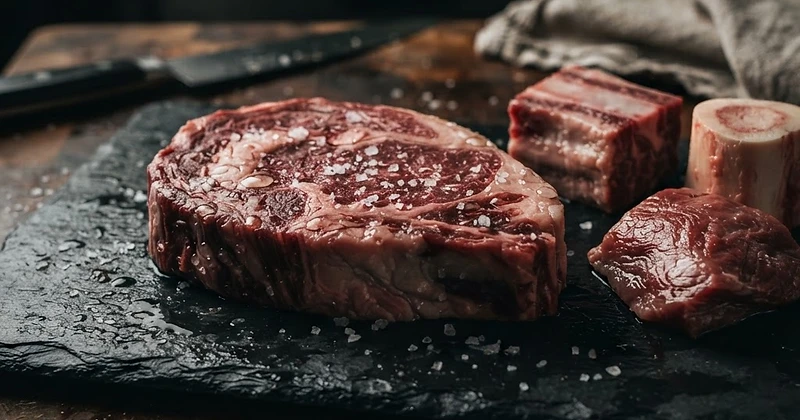
Freshly slaughtered ruminant meat is naturally low in histamine. But by the time a standard steak completes its conventional aging and supply-chain transit, its histamine load can be substantially higher. For a person dealing with histamine sensitivity, that beautifully aged ribeye can trigger an immediate physiological reaction.
Sourcing Low Histamine Meat on the Lion Diet
Overcoming this hurdle does not mean you have to abandon the Lion Diet. Instead, your goal is to deliberately construct a low histamine meat lion diet by controlling the freshness, aging timeline, and handling of your food.
1. Prioritize Unaged Beef
Finding unaged beef for carnivore protocols is the ultimate game-changer for sensitive individuals. Specialized regenerative farms and select butchers recognize histamine sensitivity and offer meat that is flash-frozen immediately post-slaughter without undergoing the traditional 14- to 21-day hanging window. Look for processors that offer custom-cut programs or explicit "unaged, low-histamine" selections.
2. Explore Naturally Unaged Ruminants: Lamb and Veal
Unlike mature beef, lamb and young ruminants (like veal) are rarely hung for extensive dry-aging periods. Lamb is typically harvested, butchered fresh, and distributed quickly. Many people who react violently to standard beef find they can consume fresh cuts of lamb, mutton, or unaged bison with complete ease.
3. Grind Your Own Whole Cuts at Home
If you prefer ground textures or are working within a strict budget, avoid pre-ground meat from the grocery counter. Instead, purchase unaged, whole-muscle roasts (like chuck or round) and grind them yourself using a chilled, sanitized home meat grinder or heavy-duty food processor. Cook it immediately or divide and flash-freeze it in airtight portions right away.
Meat Handling and Cooking Rules for Histamine Intolerance
How you handle and prepare your food is just as critical as where you buy it. Adopt these operational habits to keep histamine accumulation near zero:
- The Freezer Is Your Best Friend: Never leave raw meat thawing in the refrigerator for 24 to 48 hours. Histamine continues to accumulate slowly during slow cold-thawing. Defrost your steaks rapidly in cold water immediately before cooking, or cook them straight from frozen using high-heat searing or an air fryer.
- Never Eat Leftovers: Leftover cooked meat sitting in a Tupperware container inside your refrigerator is a histamine factory. As cooked proteins rest, bacterial activity resumes. Eat your meat immediately after cooking. If you prepare larger portions, freeze the uneaten portions immediately and reheat directly from frozen.
- Avoid Slow Cooking and Bone Broths: Slow-cooker meals that simmer for 8 to 24 hours create exceptionally high levels of free histamines and other biogenic amines. While bone broth is frequently touted for gut healing, it is intensely problematic for histamine-sensitive individuals. Stick to quick, high-heat cooking methods such as pan-searing, grilling, or high-pressure cooking in an Instant Pot.
- Support Gut Healing: Histamine intolerance is almost always a secondary symptom of an underlying barrier defect or microbial imbalance in the gut. As your gut mucosa regenerates on the Lion Diet, your enterocytes will naturally ramp up endogenous DAO production, eventually expanding your culinary tolerance.
Conclusion: Reclaim Your Health on the Lion Diet
Experiencing adverse reactions on the Lion Diet does not mean the carnivore lifestyle has failed you, nor does it mean your body is incapable of tolerating red meat. It simply highlights an enzyme-to-amine mismatch that is easily corrected.
By swapping out standard store-bought ground beef and traditionally aged cuts for unaged beef, fresh lamb, rapid freezing protocols, and quick cooking methods, you can empty your histamine bucket, extinguish chronic inflammation, and allow the Lion Diet to deliver the restorative health benefits you set out to achieve.
Sources & References