Dining out on the Lion Diet doesn't have to trigger an autoimmune flare-up. Learn battle-tested strategies for ordering seed-oil-free ruminant meat at steakhouses, burger joints, and beyond.
We only share products we believe in. Buying through a link may earn us a small commission — thanks for the support. Learn more →
Following the Lion Diet—a strict elimination protocol consisting exclusively of ruminant meat, salt, and water—can feel isolating when social plans arise. Unlike standard carnivore diets that welcome chicken, pork, fish, eggs, and dairy, the Lion Diet leaves zero room for culinary hidden hazards like marinade sugars, black pepper, compound butters, or cross-contact with industrial seed oils.
However, adopting an ultra-pure protocol does not mean resigning yourself to total social isolation. With clear communication and intentional restaurant selection, you can safely navigate social dining without compromising your health or triggering an autoimmune flare-up. Here are proven, real-world strategies for lion diet eating out with total confidence.
The Core Challenge: What Restaurants Hide in Plain Sight
When you eat at home, you have 100% control over the heat source, the fat rendered, and the salt used. In commercial kitchens, line cooks are trained to maximize flavor, gloss, and sear speed using methods that conflict directly with the Lion Diet:
- Industrial Seed Oils: Chefs regularly brush steaks with soybean, canola, or corn oil before placing them on open flame grates to prevent sticking.
- Pre-Marinated or Pre-Rubbed Cuts: High-volume establishments often marinate steaks in soy-based marinades or dust them in house seasoning mixes containing garlic powder, dextrose, and black pepper.
- Basting Butter: Finishing a high-end steak with a dollop of herb butter or dairy fat is standard practice across mid-range and fine-dining steakhouses alike.
- Garnishes: A final sprinkle of chopped parsley, microgreens, or cracked peppercorns is often automated muscle memory for the expeditor at the pass.
For individuals leveraging the Lion Diet to reverse severe joint pain, gut dysfunction, or autoimmune conditions, even microscopic trace exposure to vegetable oils or nightshades can cause setbacks. That makes explicit, foolproof communication non-negotiable.
The Best Restaurant Types for the Lion Diet
Not all dining establishments are created equal when you require bare ruminant meat. Selecting the right venue solves more than half the battle.
1. Traditional Steakhouses
Steakhouses represent the absolute gold standard for lion diet dining out. Because they deal directly in pristine, whole-muscle cuts of beef and lamb, their kitchens are built to prepare meat made-to-order without requiring complex pre-assembly.
Best cuts to request:
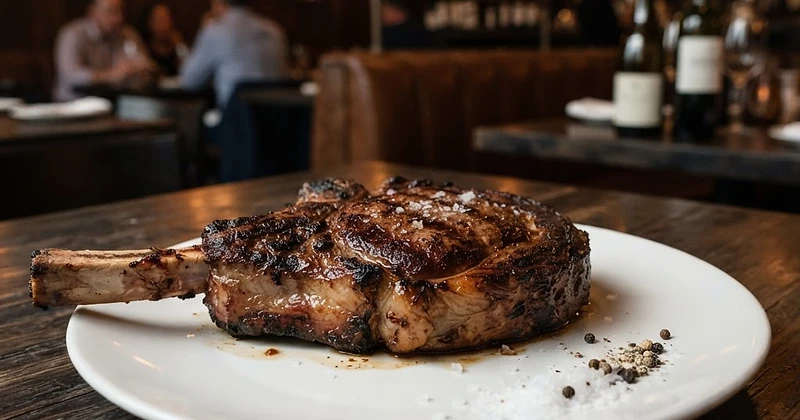
- Bone-in Ribeye: Maximum healthy animal fat content, keeping you satiated without needing supplemental dairy or tallow.
- New York Strip: A naturally fatty edge cap that sears well completely dry.
- Rack of Lamb: Naturally low in histamines and tender; confirm with your server that the rack is unmarinated.
2. Brazilian Steakhouses (Churrascarias)
Churrascarias offer rodizio-style continuous table service featuring skewered meats cooked over open charcoal or wood flames. High-end Brazilian steakhouses traditionally season prime cuts like Picanha (top sirloin cap) with nothing more than coarse rock salt. Confirm that skewers are not brushed with vegetable oil during roasting, and skip any chicken, pork, or glazed beef cuts.
3. High-Quality Burger Joints
When high-end steakhouses are not an option, casual burger spots can serve as a dependable backup. Fast-casual chains and local diners can provide multiple à la carte beef patties. The golden rule is verifying that the patties are 100% pure beef with zero starches, wheat fillers, or onion powder pre-mixed into the grind.
The Script: How to Order Without Confusion
Restaurant staff do not need a lengthy lecture on ruminant ancestral biology; they need crisp, unambiguous instructions that align with their allergy and prep protocols. According to dietary guidance published by The Lion Diet Guide, declaring an explicit allergy is the safest way to ensure the kitchen takes cross-contamination seriously.
Word-for-Word Ordering Script
When your server approaches, speak warmly, clearly, and decisively:
"I have severe dietary allergies and need to keep this very simple: I'd like the ribeye cooked completely bare. That means zero cooking oil, no butter, no marinades, no black pepper, no garnishes, and no sides. Just the dry meat seared on the grill. If you can season it with plain white salt, that is great—otherwise, you can bring it completely unseasoned and I will salt it at the table. Thank you!"
If the server or manager asks to clarify your allergy profile, keep it direct: "I have an autoimmune condition and react severely to all seed and vegetable oils, dairy, pepper, soy, and gluten." Kitchens understand food allergies; they may stumble when guests frame requests as lifestyle preferences.
Tactical Strategies for Ordering Seed-Oil-Free Beef
Finding genuine seed oil free beef restaurants requires situational awareness. Use these tactical operational tips every time you step into a dining room:
- Call during off-peak hours: Call the restaurant between 2:00 PM and 4:00 PM (well before the dinner rush). Ask to speak to a kitchen manager or chef to confirm whether their steaks arrive pre-marinated and if they can cook a steak dry on a dedicated clean spot of the grill or inside an ungreased stainless steel skillet.
- Request an unseasoned, dry grill: Commercial flat tops are heavily seasoned with vegetable shortening or canola sprays. Explicitly ask for your steak to be cooked on a clean charbroiler or an ungreased cast iron/stainless pan.
- Skip the restaurant's compound salt: Many high-end kitchens use house salt blends that secretly contain onion powder, celery salt, or white pepper. If you suspect this, ask for your meat completely unseasoned and bring your own high-quality mineral or sea salt in a small pocket shaker.
- Histamine awareness (Veal & Lamb): Dry-aged beef can sit in aging lockers for 30 to 60 days, accumulating histamines that may trigger reactions in hypersensitive individuals. If you experience histamine sensitivity on the Lion Diet, opt for lamb chops or unaged cuts instead.
Emergency & Fast Food Options
If you are traveling on the highway and steakhouses are out of reach, high-volume fast food chains can offer emergency sustenance when ordered correctly:
- In-N-Out: Order "Flying Dutchmen, meat and salt only, no cheese, no spread, no onion." Their beef patties are 100% pure ground chuck with zero additives.
- Wendy's: Order "large plain hamburger patties à la carte, no bun, no seasoning, no sauce." Wendy's uses fresh, never-frozen beef without breadcrumb binders.
- Quarter Pounder Patties: Major burger chains prepare quarter-pound patties fresh to order; specify that you want them cooked with no liquid margarine, no grill oil, and no pepper seasoning.
Summary Checklist for Lion Diet Dining Out
- Choose traditional steakhouses or Brazilian churrascarias whenever possible.
- State your requirements as an autoimmune allergy to eliminate vegetable oils, dairy, and pepper.
- Order fatty cuts (ribeye, strip, lamb chops) to hit your energy requirements naturally.
- Demand a bare plate: no sauces, no sprig of parsley, no butter baste.
- Carry your own preferred salt for peace of mind.