Mastering dining out on the Lion Diet doesn't have to be stressful. Learn how to order pure ruminant meat, avoid hidden seed oils, and navigate restaurant grills with confidence.
We only share products we believe in. Buying through a link may earn us a small commission — thanks for the support. Learn more →
Adopting the Lion Diet is one of the most powerful decisions you can make to resolve autoimmune flare-ups, gut distress, and chronic inflammation. By stripping your nutrition down to ruminant meat, salt, and water, you give your digestive tract and immune system the clean slate they need to heal. However, the true test of your dietary discipline rarely happens in your home kitchen—it happens the moment you sit down at a restaurant.
For anyone who relies on strict elimination, eating out can trigger legitimate anxiety. Commercial kitchens are dominated by industrial seed oils, cross-contaminated flattops, spiced rubs containing hidden nightshades, and sauces loaded with high-fructose corn syrup. Fortunately, dining out lion diet style is entirely possible without derailing your health. With the right communication framework and ordering tactics, you can confidently navigate any menu.
The Core Challenge: What Makes Dining Out on the Lion Diet Unique?
Unlike standard carnivore or ketovore diets—which frequently permit eggs, heavy cream, dairy, bacon, and poultry—the Lion Diet strictly limits consumption to ruminant animals (primarily beef, lamb, bison, and deer), salt, and water. According to clinical overviews such as Cleveland Clinic's analysis of the Lion Diet, the protocol functions as an ultimate elimination strategy. This means that even a tablespoon of butter, a dash of black pepper, or a light spray of soybean oil on a flat-top grill can trigger a physical reaction in sensitive individuals.
When eating out on carnivore, your goal is simple: ensure your food touches nothing except high heat, ruminant fat, and pure sodium chloride.
The Three Hidden Traps in Commercial Kitchens
Before placing your order, you must understand where restaurants typically hide non-compliant ingredients:
1. The Invisible Seed Oil Film
Even if an item is billed as "grilled," standard culinary practice involves coating steaks and grill grates with cooking sprays, canola oil, or blended vegetable oils to prevent sticking. Many chain restaurants also keep melted butter substitutes—often made of partially hydrogenated soybean oil—on hand to brush over steaks right before serving to give them a glossy sheen.
2. Pre-Seasoned and Marinated Cuts
Many commercial cuts of meat, particularly sirloins and flank steaks, arrive at restaurants vacuum-sealed in tenderizing solutions or pre-marinated with onion powder, garlic, soy sauce, and chemical preservatives. A seemingly plain piece of beef can easily harbor dozens of inflammatory additives.
3. Flat-Top Cross-Contamination
Fast-casual spots and burger joints usually cook beef patties on the exact same flattop surface used for grilling buns, frying eggs in soybean oil, and melting processed cheeses. For those on a strict autoimmune protocol, this residual grease can cause immediate digestive distress.
How to Order at a Steakhouse
According to the official Lion Diet restaurant guidance, high-end steakhouses remain your safest and most accommodating dining option. Upscale kitchens cook from scratch, handle raw primal cuts, and are accustomed to bespoke requests from guests with severe dietary restrictions.
The Script for Your Server
To avoid confusing your server with the term "Lion Diet," frame your order around severe food allergies:
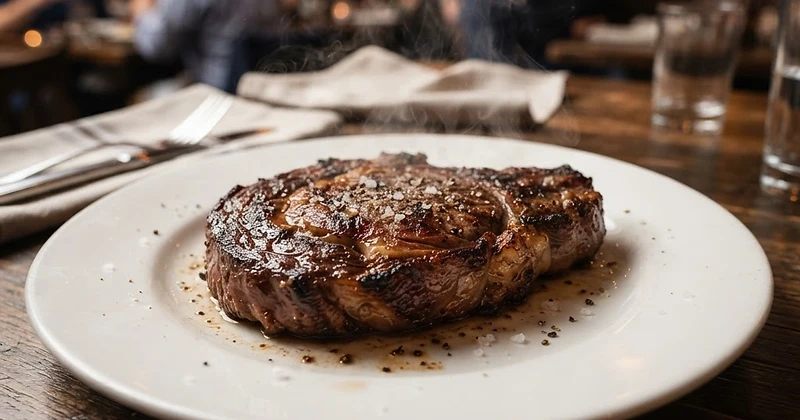
"I have severe allergies to vegetable oils, seed oils, butter, and all spices, including black pepper, garlic, and marinades. Could I please have a ribeye steak cooked completely dry over open flame or in a clean stainless/cast iron pan, seasoned exclusively with plain salt? Please verify with the chef that no cooking oil or finishing butter touches the meat."
Steakhouse pro tips:
- Choose fatty, bone-in cuts: Request a ribeye, prime rib (confirm it wasn't roasted in an au jus containing wheat or onion), or New York strip to ensure you get sufficient fat without relying on added butter.
- Opt for open-flame broiling: Ask if the steaks are cooked on an open flame grate or a flattop. Open grates allow rendered fat to drop away rather than stewing in communal cooking oil.
- Clarify the salt: While rare, some pre-mixed "chef salt" contains MSG, celery salt, or pepper. Ask for coarse sea salt or kosher salt on the side.
How to Order Beef Patties at Fast Food and Diners
Whether traveling on the highway or grabbing a quick lunch, burger patties are a lifeline for ruminant eaters. However, you must know how to order beef patties properly to avoid unwanted toppings and hidden fats.
Major fast-food chains often serve 100% pure beef without added fillers, as highlighted by guides on fast-food carnivore ordering. McDonald's quarter-pounder patties, Wendy's beef patties, and In-N-Out "Flying Dutchmen" (plain meat) are classic examples of accessible pure beef.
Rules for Fast-Food and Diner Ordering:
- Order à la carte patties: Ask for individual beef patties served in a plastic bowl or tray. Avoid ordering a combo and discarding the bun, as cheese and sauce residues often melt into the meat surface.
- Specify "No Seasoning": Standard fast-food burger seasoning frequently contains black pepper and anti-caking agents. Clearly request "no salt, no seasoning" or "unseasoned, cooked dry." You can add your own clean salt at the table.
- Inquire about the grill: At diners, ask the cook: "Can you scrape a clean spot on the grill and cook the beef without butter or oil?" Many cooks will happily scrape down a section or use a clean metal pan if you mention a dairy and seed-oil allergy.
Using Technology and Community Tools
You do not have to guess which establishments cater to an elimination lifestyle. Several platforms map out accommodating venues:
- The Lion Diet Restaurant Locator: Check the curated Lion Diet Restaurant Locator for community-verified venues that prepare additive-free, oil-free ruminant dishes.
- Seed Oil Scout: Utilize apps like Seed Oil Scout to see user-submitted reports documenting which commercial kitchens use tallow, butter, or industrial seed oils.
Actionable Checklist for Dining Out on the Lion Diet
- Call Ahead: Phone the restaurant between 2:00 PM and 4:00 PM (outside peak service hours) and speak directly to a manager or head chef about allergy protocols.
- Carry Your Own Salt: Bring a small container of high-quality unrefined sea salt (such as Redmond Real Salt or Celtic Sea Salt) in your pocket or bag to maintain mineral balance without risking pepper-contaminated shakers.
- Be Polite, Direct, and Grateful: Restaurant staff work under high-stress conditions. Frame your dietary protocol around health and safety rather than lifestyle preference, and tip generously for their attention to detail.
Sources & References