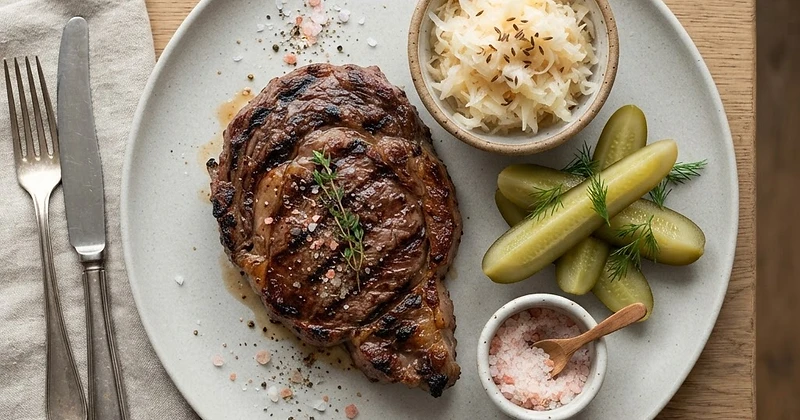
Discover how the ketovore approach leverages targeted, low-carb plant additions and fermented foods to resolve carnivore diet constipation and optimize microbiome diversity.
We only share products we believe in. Buying through a link may earn us a small commission — thanks for the support. Learn more →
A strict carnivore diet delivers remarkable benefits for many: profound mental clarity, steady metabolic energy, and rapid remission of systemic inflammation. Yet, for a significant portion of meat-based eaters, an unexpected roadblock emerges along the gastrointestinal tract: stubborn sluggishness, uncomfortable bowel transit times, or persistent carnivore diet constipation.
While pure carnivore advocates often assert that humans require zero plant material to thrive, digestive biology reveals a more nuanced reality. Shifting to a ketovore digestion strategy—retaining a 90–95% meat-based foundation while intentionally integrating microscopic amounts of functional, low-carb plants—provides the precise biological lever needed to resolve digestive distress without forfeiting the benefits of animal-based ketosis.
The Anatomy of Carnivore Diet Constipation
When you transition from an omnivorous diet to exclusively consuming meat, fat, and organs, your digestive architecture undergoes radical adjustments. Understanding the mechanisms behind motility slowdown helps demystify why constipation occurs in zero-carb frameworks.
1. Radical Shifts in the Gut Microbiome
Your digestive tract hosts trillions of micro-organisms whose composition shifts directly in response to substrate availability. In an exclusive carnivore protocol, carbohydrate-loving microbes starve off, while bile-tolerant, fat-metabolizing bacteria multiply. A study published in Nature Medicine demonstrates that dietary variety and plant components correlate strongly with distinct bacterial populations. Without targeted microbial inputs, the gut environment can experience a drop in diversity that initially decelerates motility.
2. High-Absorption Stool Volume Reduction
Unlike refined carbohydrates and insoluble plant roughage, pasture-raised beef, eggs, and animal fats are absorbed almost completely within the stomach and small intestine. Consequently, the volume of waste reaching the colon plummets. While infrequent bowel movements do not automatically equate to constipation, clinical distress occurs when stools become dry, hard, and painful to pass due to prolonged colonic transit time.
3. Gastric Acidity and Bile Adaptation
Breaking down heavy loads of animal protein demands robust hydrochloric acid (HCl) production, while emulsifying fats requires significant bile salt synthesis from the gallbladder. If a novice carnivore lacks adequate stomach acidity or exhibits sluggish bile flow, heavy fats remain unabsorbed or draw water erratically, causing fluctuating cycles of diarrhea and severe constipation.
The Ketovore Solution: Targeted, Low-Carb Micro-Additions
Ketovore is not standard keto. It is an animal-first framework where 90% or more of daily calories derive from nutrient-dense animal foods, complemented by tiny, therapeutic plant additions. These targeted additions are chosen strictly for gut support, enzymatic activity, and microbiome nurturing—deliberately bypassing inflammatory plant toxins such as oxalates, high lectins, and phytates.
Here is why a nuanced ketovore framework transforms digestive outcomes:
1. Prebiotic Signatures Without Bloating
Large amounts of fibrous raw greens often create fermentation distress, gas, and irritation in sensitive gut linings. However, small doses of targeted plant fiber—such as a sliver of avocado or a teaspoon of cooked prebiotic roots—draw modest moisture into the colon, lubricating the intestinal wall without triggering dysbiosis.
2. Supporting Bile Flow and Motility
Select bitter herbs, ginger, or tiny portions of low-toxin vegetables stimulate endogenous gastrin and gallbladder contractions. This enzymatic surge ensures that the dense fats consumed during meals are broken down smoothly, accelerating gut transit time.
Fermented Foods Ketovore Protocol: Microbiome Superchargers
Perhaps the most powerful intervention within a ketovore regimen is the intentional use of probiotic, lacto-fermented foods. As noted by clinical research from the Stanford School of Medicine, consuming fermented foods consistently increases microbiome diversity while lowering key markers of systemic inflammation.
Integrating fermented foods ketovore style allows you to repopulate mucosal microbes and enhance digestion without shifting out of ketosis. Consider incorporating:
- Raw, Unpasteurized Sauerkraut: One to two tablespoons of lacto-fermented cabbage deliver billions of live lactic acid bacteria alongside natural organic acids that prime stomach acid before a ribeye meal.
- Traditional Salt-Brined Pickles: Real fermented pickles (made with cucumbers, water, and salt, rather than pasteurized vinegar) introduce natural gut flora and replenish essential sodium balances.
- Kimchi (Low-Sugar Varietals): Fermented radish and cabbage supply bioavailable nutrients and enzymes that break down connective tissue in tougher cuts of beef.
- Raw Fermented Kefir or Aged Cheeses: For those who tolerate animal dairy, raw kefir provides dozens of diverse probiotic strains that coat and protect the gut mucosa.
Fermentation naturally pre-digests plant antinutrients, neutralizing harsh fibers while retaining digestive enzymes that protect against stagnation.
Actionable Steps: Optimizing Your Ketovore Gut
If you are experiencing bowel stagnation or sluggish transit on an animal-based diet, implement this progressive protocol to restore effortless regularity:
- Start with Brine: Before introducing solid plant matter, consume 1 tablespoon of raw sauerkraut or pickle juice 10 minutes prior to your largest fatty meat meal. The organic acids prime digestive enzymes and gently trigger peristalsis.
- Introduce Micro-Doses of Ferments: Add 1 forkful of raw lacto-fermented kraut or kimchi to your plate. Monitor your digestive comfort over 48 hours before increasing volume.
- Calibrate Hydration and Electrolytes: Water alone will not soften transit on a low-carb diet. Pair your water intake with adequate sodium, potassium, and magnesium glycinate or citrate to draw hydration directly into the colon.
- Incorporate Gelatinous Bone Broths: Slow-simmered bone broth contains gelatin, which holds water within the GI tract and nourishes mucosal tissue, supporting seamless gut transit.
- Adjust the Fat-to-Protein Ratio: Many cases of carnivore constipation stem from eating excessively lean cuts. Ensure you maintain at least a 1:1 or 2:1 fat-to-protein ratio in grams to keep stools naturally soft and lubricated.
Conclusion: Metabolic Healing Without Dogma
Nutrition is a tool for vitality, not an exercise in dogmatic purity. While an all-meat carnivore protocol serves as an exceptional elimination phase, long-term gastrointestinal health thrives on functional personalization. By pairing the dense nutritional power of animal proteins with minor, strategic additions of fermented foods and low-carb plants, you optimize the ketovore gut microbiome, banish constipation, and unlock vibrant, effortless digestion.