Ketovore for Weight Loss and Fat Burning: How to Break Past Keto Plateaus
← All articles
Tools & TrackingKetovore

Ketovore for Weight Loss and Fat Burning: How to Break Past Keto Plateaus

Stuck in a stubborn low-carb weight loss stall? Discover how adopting a ketovore macro ratio and stripping away processed keto foods unlocks deep fat burning.

By Editorial Team

We only share products we believe in. Buying through a link may earn us a small commission — thanks for the support. Learn more →

You committed to low-carb living, diligently avoided sugar, shed an impressive 15 to 20 pounds in your initial weeks, and then—nothing. The scale froze. Weeks have passed, your pants fit the same, and your morning weigh-in delivers a frustrating dose of disappointment. If this sounds painfully familiar, you have encountered the classic carnivore keto stall.

While standard ketogenic protocols excel at kickstarting initial water and fat loss, they often foster habits that sabotage long-term metabolic progress: excessive calorie-dense nut flours, heavy creams, processed 'keto-friendly' frankenfoods, and artificial sweeteners. When traditional keto stalls out, shifting toward ketovore for weight loss provides the exact metabolic reset needed to strip away stubborn body fat.

What Is the Ketovore Diet?

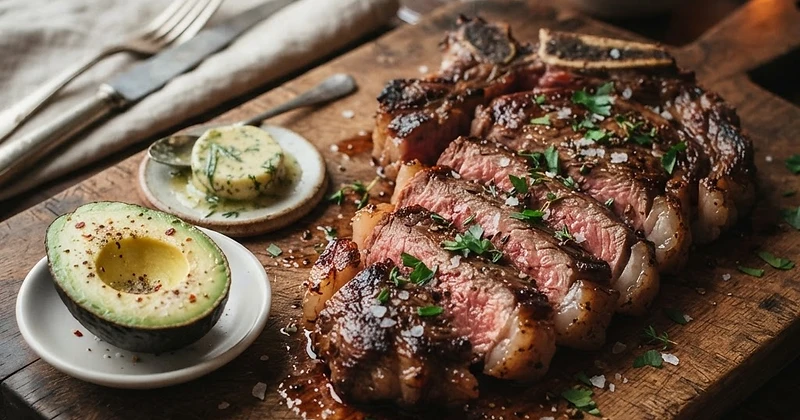
The ketovore diet is an animal-based eating framework that bridges the gap between traditional keto and strict carnivore. Approximately 85% to 95% of your caloric intake comes from nutrient-dense animal sources—beef, poultry, wild seafood, eggs, and animal fats—while allowing minimal, carefully selected low-toxin plant inclusions (such as half an avocado, a splash of lemon juice, or fresh herbs for seasoning).

Unlike standard keto, which permits a wide array of plant oils, nut butters, and manufactured snacks, ketovore prioritizes animal-based bioavailable protein and saturated fats. By cutting out hyperpalatable plant substitutes, you eliminate hidden carbohydrates, chronic gut inflammation, and mindless snacking that commonly stall fat reduction.

Why Standard Keto Plateaus Happen

To shatter a plateau, you must first understand why your progress halted. According to clinical weight loss insights from Diet Doctor, a true stall occurs when weight remains stationary for at least four to six weeks while strictly adhering to your diet. Here is why conventional keto dieters stall:

  • The Keto-Treat Trap: The low-carb market is saturated with packaged cookies, snack bars, and breads. While marketed as containing 2 grams of 'net carbs,' these items are packed with refined fibers, seed oils, and sugar alcohols that trigger digestive distress, fluid retention, and subtle insulin spikes.
  • The Fat-Bomb Phenomenon: Keto folklore suggests you must drench everything in butter, drink bulletproof coffee, and swallow spoonfuls of coconut oil to enter ketosis. However, as noted by Virta Health, overconsuming added exogenous fat forces your body to burn the fats in your mug rather than utilizing endogenous adipose tissue.
  • Protein Phobia: Decades of misinformation led low-carb dieters to fear protein, believing gluconeogenesis would transform steak directly into body fat. In reality, under-eating protein depresses your basal metabolic rate and diminishes the naturally satiating power of your meals.

How Ketovore Drives Powerful Fat Burning

Shifting toward an animal-centric ketovore protocol activates physiological mechanisms that standard ketogenic diets often blunt:

1. The Protein Leverage Effect

Human physiology possesses a tightly regulated drive for amino acids. As explored by Paleo Pro, the protein leverage hypothesis suggests humans eat until their specific protein targets are satisfied. By shifting animal-derived protein to the core of your plate, you achieve deep satiety much earlier in a meal, eliminating food cravings effortlessly without obsessive calorie counting.

2. Elevated Thermic Effect of Food (TEF)

Protein demands substantial metabolic energy just to break down. Roughly 25% to 30% of the calories consumed from whole animal protein are burned off during digestion and assimilation, compared to only 2% to 3% for dietary fat and 6% to 8% for carbohydrates. Shifting toward high-protein ketovore naturally elevates your daily energy expenditure.


Join the Community

Create your free account to access personalized targets, daily tracking, and lifestyle guidance tailored to your diet path.

Sign Up Free

3. Restriction of Sensory-Specific Satiety

Standard keto menus offer overwhelming variety—from almond flour waffles to artificial syrups—which artificially stimulates your appetite. Animal foods, while exceptionally flavorful, carry a natural biological ceiling. When you sit down to a fatty ribeye, sensory-specific satiety signals when your body is genuinely nourished, turning off hunger cues at the hormonal level.

Dialing In Your Ketovore Macro Ratio

Establishing an effective ketovore macro ratio depends heavily on your current body composition and activity level. Standard therapeutic keto typically advocates 75% to 80% fat, 15% to 20% protein, and 5% carbohydrates (Harvard T.H. Chan School of Public Health). However, for aggressive fat loss, these ratios often provide excessive dietary fat.

For sustainable ketovore fat loss, transition your macronutrient ranges (by percentage of total daily calories) to the following targeted breakdown:

  • Protein: 35% to 45% of total calories (approximately 1.0 to 1.2 grams per pound of your ideal body weight)
  • Fat: 50% to 60% of total calories (derived naturally from whole meats, eggs, and limited tallow or ghee)
  • Carbohydrates: Under 5% of total calories (consistently below 10–15 grams of total carbs daily, completely avoiding grains, tubers, and starches)

This macro ratio ensures adequate amino acids to protect lean muscle mass while keeping dietary fat moderate enough that your liver must draw on stored body fat for ketone production.

Actionable Protocol: Breaking Past the Plateau

If your scale has been stuck for weeks, use this step-by-step strategy to jumpstart fat loss:

  1. Eliminate Dairy for 21 Days: Heavy cream, hard cheeses, and butter are primary culprits in a carnivore keto stall. Dairy contains casomorphins that stimulate appetite, and its high caloric density makes overeating effortless. Stick to pure beef tallow, duck fat, or small amounts of ghee.
  2. Ditch All Artificial Sweeteners & Low-Carb Snacks: Strip your kitchen clean of stevia drops, monk fruit treats, almond flours, and zero-sugar bars. Reset your taste palate to appreciate the subtle, natural sweetness of real meats and fats.
  3. Base Every Meal on Ruminant Meat: Center your diet on beef, lamb, bison, and venison. Ruminants possess optimal micronutrient and fatty acid profiles that support thyroid function and balance satiety hormones like leptin and peptide YY.
  4. Implement Time-Restricted Eating: Consolidate your ketovore meals into a natural 6-to-8-hour eating window (such as 16:8 intermittent fasting). Give your digestive tract a break and allow basal insulin levels to drop to baseline, promoting sustained lipolysis.
  5. Measure Non-Scale Victories (NSVs): As you increase animal protein and your body drops visceral fat, you may simultaneously rebuild bone density and lean mass. Track your waist circumference, energy consistency, and sleep depth rather than living and dying by the scale.

The Takeaway

Hitting a plateau on a low-carb journey is not a signal of metabolic failure; it is merely an indicator that your body has adapted to its current inputs. By transitioning from standard keto to a streamlined ketovore protocol, you strip away hidden carbs, ditch empty fat calories, and harness the fat-burning power of ancestral nutrition. Prioritize animal protein, respect your biological hunger signals, and watch the stall evaporate.

Sources & References

Join the Community

Create your free account to access personalized targets, daily tracking, and lifestyle guidance tailored to your diet path.

Sign Up Free

We use cookies and similar technologies to operate the site and improve your experience. By continuing, you agree to our use of non-essential cookies. See our Privacy Policy.