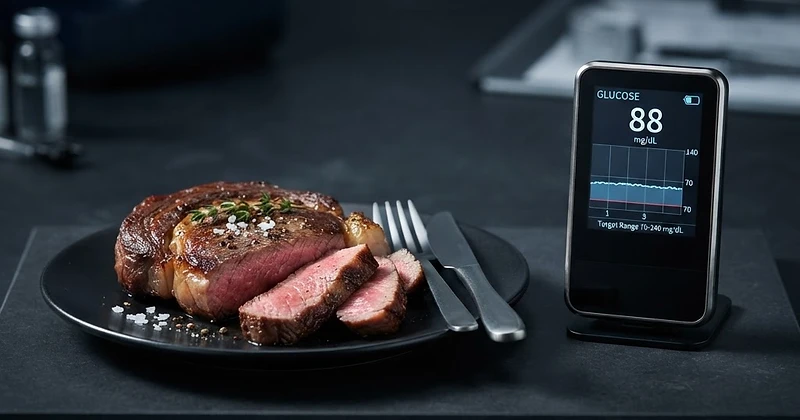
Explore how the strict Lion Diet affects blood glucose, HbA1c, and metabolic markers. Learn the critical difference between pathological and physiological insulin resistance on a zero-carb ruminant protocol.
We only share products we believe in. Buying through a link may earn us a small commission — thanks for the support. Learn more →
Metabolic dysfunction and elevated blood sugar have reached epidemic proportions across the globe. For those searching for radical metabolic clarity, the Lion Diet—an ultra-restrictive elimination protocol consisting solely of ruminant meat (such as beef, lamb, and bison), salt, and water—has emerged as a compelling intervention. But how does an entirely zero-carbohydrate, fatty meat protocol influence insulin dynamics, fasting glucose, and long-term HbA1c?
Understanding the interplay between lion diet insulin resistance and blood sugar requires peeling back conventional dietary dogma and examining the nuances of hepatic gluconeogenesis, glucose sparing, and cellular energy regulation.
The Biochemical Foundation: Removing Exogenous Carbohydrates
Insulin resistance is fundamentally characterized by the inability of peripheral tissues (muscles, liver, and adipose tissue) to respond effectively to normal circulating levels of insulin. In the presence of persistent, high-glycemic carbohydrate consumption, hyperinsulinemia sets in as the pancreas continuously secretes elevated insulin to clear excess glucose from the bloodstream.
When adopting the Lion Diet, exogenous carbohydrate intake drops to absolute zero. This dietary shift profoundly alters endocrine signaling:
- Basal Insulin Suppression: Without dietary glucose driving systemic surges, circulating postprandial insulin levels drop sharply.
- Shift to Lipolysis and Ketogenesis: The body downregulates insulin-mediated fat storage enzymes and ramps up lipolysis, mobilizing free fatty acids and producing ketone bodies (beta-hydroxybutyrate and acetoacetate) for cellular fuel.
- Stable Fuel Substrates: Ruminant fats provide stable saturated and monounsaturated fatty acids that fuel mitochondria without initiating the rapid glucose-insulin spikes typical of modern mixed diets.
The Lion Diet and Diabetes: Reversing the Glycemic Load
For individuals researching the lion diet diabetes connection, eliminating carbohydrates can deliver profound clinical effects on glycemic control. Real-world case reports documented in medical literature demonstrate that strict zero-carb carnivore regimens can dramatically reduce fasting blood sugar and reverse decades-long diabetic markers (Reversing 20 years of diabetes using the carnivore diet in India).
Because the body no longer receives boluses of glucose, the glycemic burden shifts entirely to endogenous production via the liver. This steady endogenous supply prevents postprandial glycemic volatility, allowing pancreatic beta-cells to recuperate from chronic hypersecretion.
Understanding Carnivore Blood Sugar Spikes: Protein and Gluconeogenesis
Newcomers to zero-carb eating are often surprised to observe elevated glucose readings or modest carnivore blood sugar spikes after a large ruminant meal. There are two primary metabolic mechanisms behind this phenomenon:
1. Gluconeogenesis via Demand, Not Supply
When you consume a substantial portion of beef or lamb, the liver utilizes glucogenic amino acids to synthesize glucose via gluconeogenesis (GNG). Contrary to widespread myth, gluconeogenesis is primarily a demand-driven process regulated by the glucagon-to-insulin ratio, rather than an uncontrolled reaction to dietary protein. However, eating a large bolus of protein does stimulate a transient rise in glucagon, prompting the liver to release a small, controlled amount of glucose into circulation to maintain baseline levels for obligate glucose users (like red blood cells and renal medulla).
2. The Incretin and Cephalic Phase
Ingesting rich, nutrient-dense meat still triggers digestive peptides (like GLP-1 and GIP) and mild insulin release to facilitate amino acid uptake into muscle tissue. While this can cause minor fluctuations on a continuous glucose monitor (CGM), these blips are typically smooth and self-limiting compared to the sharp, damaging glycemic excursions caused by refined carbohydrates.
Physiological vs. Pathological: The Truth About Physiological Insulin Resistance
One of the most widely misunderstood aspects of long-term zero-carb eating is physiological insulin resistance carnivore dieters frequently experience, also referred to as adaptive glucose sparing.
If a person adheres to the Lion Diet for several weeks or months and subsequently undergoes an Oral Glucose Tolerance Test (OGTT), their blood glucose may spike significantly higher than expected. Critics often misinterpret this as proof that animal fats worsen diabetes. In reality, the underlying physiology tells a different story:
- Pathological Insulin Resistance: Driven by intracellular lipid overflow, systemic inflammation, hyperinsulinemia, and excessive energy intake, cells become unresponsive to insulin, trapping glucose in the blood alongside dangerously elevated insulin levels.
- Physiological Insulin Resistance (Glucose Sparing): A benign, evolutionarily conserved survival adaptation. Because muscle cells become exquisitely adapted to burning fatty acids and ketones, they temporarily downregulate their GLUT4 transporters to "refuse" glucose. This preserves scarce, endogenously produced glucose exclusively for red blood cells and brain tissue.
The defining distinction lies in fasting insulin. In pathological insulin resistance, both fasting glucose and fasting insulin are elevated (high HOMA-IR). In physiological glucose sparing on the Lion Diet, fasting insulin remains remarkably low, even if morning fasting glucose sits slightly higher due to the natural dawn phenomenon.
Impact on HbA1c: What to Expect
Hemoglobin A1c measures the percentage of glycated hemoglobin over a roughly 90-to-120-day window, reflecting average circulating blood glucose. On the Lion Diet, many individuals experience a significant reduction in HbA1c—often dropping from diabetic or pre-diabetic thresholds down into the optimal range (<5.4%).
However, an interesting laboratory anomaly can occur in some long-term zero-carb practitioners: an HbA1c reading that appears mildly elevated (e.g., 5.6%–5.9%) despite completely flat CGM traces and low fasting insulin. Why does this happen?
- Extended Red Blood Cell Lifespan: A low-inflammatory, nutrient-dense ruminant diet reduces oxidative stress on red blood cell membranes, allowing erythrocytes to live longer than the standard 90–120 days. A longer lifespan gives hemoglobin more time to pick up normal baseline glucose molecules, artificially elevating the test score without clinical hyperglycemia.
- Validating True Sensitivity: To confirm actual insulin sensitivity when HbA1c is ambiguous, assess fasting insulin alongside fasting glucose to calculate your HOMA-IR, or test fructosamine, which reflects glycemic control over a shorter 2-to-3-week timeframe.
Actionable Blueprint: Implementing the Lion Diet for Metabolic Health
If you are exploring the Lion Diet to reverse insulin resistance or manage blood glucose, follow this strategic protocol:
- Stick to Pure Ruminant Meats: Prioritize fatty cuts of beef, bison, lamb, and goat (ribeyes, chuck roasts, 80/20 ground meat). Avoid poultry, pork, and dairy initially to completely eliminate potential inflammatory triggers.
- Eat to Satiety: Do not restrict calories. Chronic caloric deprivation elevates cortisol, which stimulates hepatic glycogen breakdown and elevates fasting glucose.
- Hydrate and Salt Generously: Dropping carbohydrates depletes glycogen stores and causes rapid sodium excretion through the kidneys. Supplement clean water with unrefined sea salt to maintain electrolyte equilibrium and prevent stress-hormone spikes.
- Monitor the Right Metrics: Move beyond finger-prick fasting glucose. Track fasting insulin (aiming for <5 µIU/mL), high-sensitivity C-reactive protein (hs-CRP), and triglyceride-to-HDL ratios.
- Collaborate with Your Physician: If you are currently prescribed exogenous insulin or oral hypoglycemics (such as SGLT2 inhibitors or sulfonylureas), carbohydrate elimination requires immediate, supervised medication titrations to avoid life-threatening hypoglycemia.
Sources & References