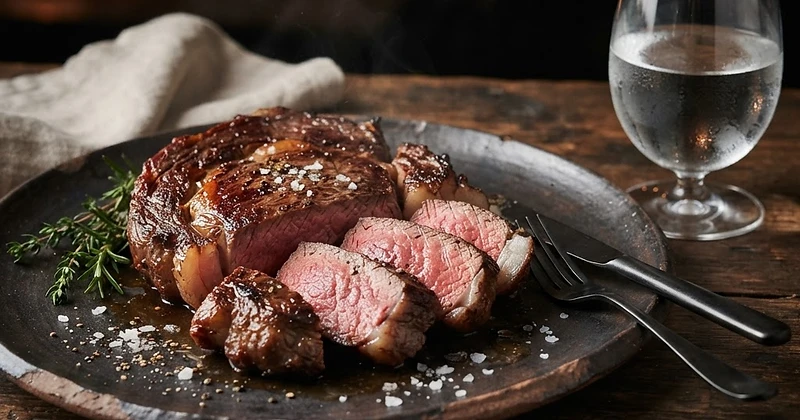
Discover how the Lion Diet alters insulin sensitivity, blood sugar curves, and glycated hemoglobin (HbA1c). Learn the critical difference between pathological insulin resistance and carnivore adaptive glucose sparing.
We only share products we believe in. Buying through a link may earn us a small commission — thanks for the support. Learn more →
The Lion Diet—an ultra-strict elimination variant of the carnivore diet consisting strictly of water, salt, and ruminant meat (primarily beef, lamb, bison, and venison)—has surged in popularity for resolving chronic autoimmune conditions, gut dysbiosis, and metabolic dysfunction. Yet, newcomers frequently face a paradox when monitoring their metabolic panels: despite consuming virtually zero dietary carbohydrates, fasting blood sugar numbers sometimes trend slightly upward or stay stubbornly around 95–105 mg/dL.
This phenomenon leads many to wonder: Does the Lion Diet worsen or resolve insulin resistance? Can pure ruminant meat trigger blood sugar spikes? To decipher these numbers, one must understand how eliminating carbohydrates changes metabolic biochemistry, drives gluconeogenesis, and induces a harmless, protective state known as adaptive glucose sparing.
The Core Mechanism: How the Lion Diet Reverses Pathological Insulin Resistance
In standard metabolic dysfunction, chronically elevated dietary carbohydrates and refined sugars overwork the pancreas. As insulin is persistently secreted to clear glucose from the bloodstream into saturated adipose and muscle tissues, receptor sensitivity degrades. This systemic hyperinsulinemia and cellular receptor failure defines pathological insulin resistance, laying the groundwork for metabolic syndrome and type 2 diabetes.
By stripping your diet down strictly to fatty ruminant meat, water, and salt, you eliminate exogenous glucose sources:
- Depleted Glycogen Stores: Basal insulin drops to baseline levels, permitting hormone-sensitive lipase (HSL) to liberate stored fatty acids.
- Visceral Fat Reduction: As ectopic fat clears from the liver and pancreas, intrinsic organ insulin sensitivity dramatically rebounds.
- Resolution of Chronic Inflammation: The total removal of seed oils, high-fructose corn syrup, and plant antigens removes systemic immune stressors that impair insulin signaling pathways.
Do Blood Sugar Spikes Happen on the Lion Diet?
A common inquiry among zero-carb adherents is whether ruminant meat itself causes blood sugar spikes. It is true that amino acids stimulate a mild insulin response—often alongside glucagon—which prevents hypoglycemia while shuttling nutrients into tissues.
However, lion diet blood sugar spikes are biochemically distinct from carbohydrate spikes:
- Substrate Demand-Driven Gluconeogenesis: The liver manufactures glucose from glycerol backbones (from fats) and glucogenic amino acids (from protein). Unlike carbohydrate absorption, which floods the bloodstream rapidly, hepatic gluconeogenesis operates on supply-and-demand rather than mere substrate availability.
- Gentle Glycemic Curvature: Continuous glucose monitor (CGM) readings on pure ruminant meat typically demonstrate flat, rolling hills rather than the sharp peaks and subsequent crashes associated with starches or sugars.
Carnivore Adaptive Glucose Sparing: The "Dawn Phenomenon" Demystified
When transitioning to the Lion Diet, many practitioners observe elevated morning readings (e.g., fasting glucose between 100 and 115 mg/dL) despite optimal physical energy, stable satiety, and low systemic inflammation. This often causes undue panic about developing lion diet type 2 diabetes.
This reading is not pathological insulin resistance; rather, it represents carnivore adaptive glucose sparing (also termed physiological insulin resistance). Here is what happens:
- Fat Adaptation in Skeletal Muscle: When you run strictly on ruminant fats and protein, peripheral tissues (such as skeletal muscle) prefer beta-oxidation of fatty acids and ketone bodies for fuel.
- Peripheral Glucose Refusal: To preserve the limited glucose produced by the liver for obligatory glucose users (such as red blood cells and parts of the brain and renal medulla), peripheral muscle cells intentionally become less responsive to insulin.
- Normal Circadian Cortisol Surge: In the early morning hours, natural pulses of cortisol, growth hormone, and epinephrine signal the liver to release a small amount of stored glycogen and stimulate gluconeogenesis to wake you up. With muscles selectively sparing glucose, that morning output lingers slightly in circulation.
Differentiating True Insulin Resistance from Adaptive Glucose Sparing
How can you confirm whether an elevated fasting reading on the Lion Diet indicates genuine pathology or harmless glucose sparing? Look at the complete metabolic picture:
- Fasting Serum Insulin: In pathological diabetes, elevated glucose is paired with high fasting insulin (frequently > 10–15 μIU/mL). In physiological glucose sparing, fasting insulin is typically very low (often < 5 μIU/mL).
- HOMA-IR Score: Calculated via
(Fasting Glucose × Fasting Insulin) / 405. A low score confirms robust insulin sensitivity regardless of borderline morning glucose. - Triglyceride-to-HDL Ratio: A ratio below 1.5–2.0 serves as a reliable marker of metabolic health and liver fat clearance.
- Hemoglobin A1c (HbA1c): While fasting readings may look borderline, real-world glycemic exposure over three months is often low to normal.
The Nuance of HbA1c on a Pure Ruminant Regimen
HbA1c measures the percentage of glycated hemoglobin in your bloodstream, representing average blood glucose over roughly 90 to 120 days. On a carnivore or Lion Diet, HbA1c often drops significantly. However, in certain individuals, HbA1c might appear slightly higher than their continuous glucose tracking would suggest.
This discrepancy frequently stems from erythrocyte longevity. Red blood cells have a standard lifespan of roughly 110–120 days. When systemic oxidative stress and glycation plummet on an all-meat diet, red blood cells often survive longer before turnover. A longer-lived red blood cell simply has more days to accumulate trace amounts of ambient glycation, skewing the metric upward without indicating poor glycemic control.
Actionable Steps for Managing Glycemia on the Lion Diet
If you are utilizing the Lion Diet to reverse metabolic syndrome or optimize glycemic control, implement these practical strategies:
- Prioritize the Proper Fat-to-Protein Ratio: Strive for an 80/20 or 70/30 fat-to-protein caloric ratio. Relying solely on ultra-lean meat can lead to excessive glucagon-driven gluconeogenesis and satiety issues; abundant fat stabilizes hormonal signaling.
- Test Fasting Insulin, Not Just Glucose: Stop judging your metabolic recovery purely by a morning finger-prick glucose strip. Order a comprehensive metabolic panel that includes fasting insulin and high-sensitivity C-reactive protein (hs-CRP).
- Hydrate with Unrefined Salt: Electrolyte depletion on zero-carb protocols can stress the adrenal axis, inducing an elevated cortisol response that unnaturally spikes glucose. Salt your ruminant cuts liberally.
- Incorporate Post-Prandial Movement: A simple 10-to-15-minute walk following a heavy beef meal activates non-insulin-dependent glucose transporter type 4 (GLUT4) translocation, smoothing out residual glycemic drifts.
Sources & References