Discover how the Lion Diet—a strict ruminant meat, water, and salt protocol—functions as the ultimate elimination diet to halt systemic inflammation, calm gut permeability, and soothe debilitating autoimmune flares.
We only share products we believe in. Buying through a link may earn us a small commission — thanks for the support. Learn more →
When your immune system turns on your own body, finding lasting relief can feel impossible. From the chronic joint stiffness of rheumatoid arthritis to the debilitating flares of inflammatory bowel disease (IBD) and psoriasis, modern autoimmune management often relies heavily on systemic immunosuppressants. However, thousands of individuals struggling with chronic flare-ups are turning toward an unconventional, ancestral strategy: the Lion Diet.
Popularized by advocates like Mikhaila Peterson, the Lion Diet represents the strictest, most hypoallergenic iteration of the carnivore spectrum. By stripping daily nutrition down to its simplest components—ruminant meat, salt, and water—this dietary intervention functions as the ultimate elimination diet for inflammation. But can eating purely beef actually stop autoimmune flares and promote long-term recovery? Let’s examine the biology of gut permeability, immunological hypersensitivity, and the emerging clinical science behind the Lion protocol.
What Is the Lion Diet?
Unlike standard ketogenic diets or broader nose-to-tail carnivore lifestyles—which frequently permit eggs, poultry, seafood, pork, and dairy—the Lion Diet simplifies intake to three essentials:
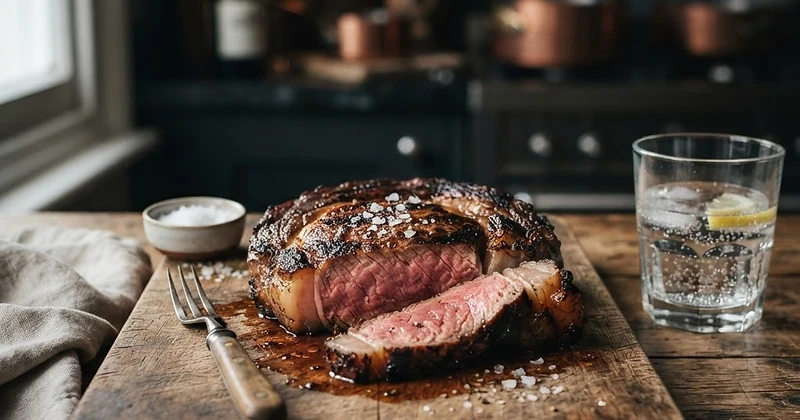
- Ruminant Meat: Primarily beef, bison, lamb, goat, and venison (with an emphasis on fatty cuts like ribeye, 80/20 ground beef, or shank).
- Non-Iodized / Clean Salt: High-quality sea salt or rock salt to preserve essential electrolyte balance.
- Water: Filtered, plain water (sparkling or still).
Everything else is removed: plant matter, seed oils, spices, nightshades, grains, dairy, eggs, and processed additives. By targeting only ruminant animals—which process plant compounds through specialized multi-chambered stomachs and convert them into clean, bioavailable fatty acids and proteins—you consume foods virtually devoid of common dietary antigens.
The Biological Link: Leaky Gut, Antigens, and Immune Complex Reactions
To understand why the lion diet for autoimmune symptoms produces such rapid results, one must look at intestinal permeability (commonly called "leaky gut") and carnivore diet gut healing mechanisms.
1. Calming Intestinal Permeability
In a healthy digestive tract, the intestinal epithelial lining is sealed tightly by protein junctions. In individuals genetically prone to autoimmunity, environmental triggers, ultra-processed foods, medications, or gut dysbiosis degrade these junctions. Undigested food particles, plant lectins, oxalates, and bacterial endotoxins (such as lipopolysaccharides) slip into the bloodstream.
The immune system flags these foreign proteins as invasive pathogens, launching systemic antibody production. By eliminating plant antinutrients, fiber that can abrade an inflamed gut wall, and allergen-dense foods like casein (dairy) and ovalbumin (egg whites), the digestive tract is afforded an undisturbed environment to restore mucosal integrity.
2. Halting Type III Hypersensitivity
When systemic antibodies encounter recurring dietary triggers, they form antigen-antibody clusters known as immune complexes. In chronic autoimmune states, these circulating complexes are not efficiently cleared; instead, they lodge in peripheral tissues—especially the synovial membranes of joints, the skin, and internal organs.
This triggers localized inflammation, complement cascade activation, and tissue destruction—the exact definition of an autoimmune flare. Stripping food intake down to pure ruminant protein removes the recurring antigens fueling these complexes, allowing existing tissue-bound immune complexes to clear out over several weeks.
Targeting Specific Conditions: Can It Reverse Flares?
The Lion Diet for Arthritis
Using the lion diet for arthritis—including rheumatoid arthritis, psoriatic arthritis, and ankylosing spondylitis—is one of the most common applications of this protocol. Sufferers frequently find that morning stiffness, joint swelling, and pain drop precipitously within 3 to 6 weeks.
Because ruminant meats are naturally rich in glycine, carnosine, zinc, and bioavailable fats, they provide the metabolic substrates required for tissue repair while zeroing out inflammatory dietary triggers like solanine (found in nightshade plants) or excess omega-6 seed oils.
Inflammatory Bowel Disease (Crohn’s and Ulcerative Colitis)
Traditional clinical approaches usually emphasize high-fiber diets, but for an acutely ulcerated bowel, rough insoluble fiber acts like sandpaper against an open wound. Ruminant meat is digested completely in the upper gastrointestinal tract, placing virtually zero mechanical stress on the colon and giving mucosal linings an opportunity to regenerate.
What Does the Clinical Science Say?
Historically, much of the support for ruminant-only diets was observational. However, scientific interest has accelerated rapidly:
- The Harvard Carnivore Survey (2021): A landmark observational study led by researchers at Boston Children's Hospital and Harvard evaluated over 2,000 individuals eating a carnivore diet. Strikingly, 89% of respondents with existing autoimmune diseases reported significant improvement or complete resolution of symptoms.
- Fuller Research Foundation Randomized Controlled Trial: Modern researchers are currently validating these outcomes in formal settings. The Fuller Research Foundation Lion Diet Clinical Trial is actively investigating the therapeutic impact of the Lion Diet versus standard ketogenic and control diets in patients with physician-diagnosed rheumatoid arthritis and inflammatory bowel disease.
How to Safely Implement the Lion Diet
If you are experiencing unrelenting flare-ups and want to test whether the Lion protocol can reset your immune baseline, follow these actionable steps:
- Commit to a Strict 30 to 90-Day Baseline: True immune complexes can take 3 to 4 weeks to clear from tissues. Commit strictly to ruminant meat, salt, and water. Do not cook with butter, pepper, or garlic powders during this baseline phase.
- Prioritize Fatty Cuts: Without carbohydrates, your body must run on fat for fuel. Opt for 70/30 or 80/20 ground beef, ribeyes, chuck roasts, beef tallow, and lamb chops. If your meat is too lean, you risk low energy, hormone disruption, and electrolyte imbalances.
- Manage Electrolytes During the Adaptation: The rapid drop in insulin that occurs when abandoning carbohydrates causes the kidneys to excrete sodium rapidly. Salt your steaks generously and consider pure unflavored sodium and potassium chloride in your water to avoid keto flu symptoms.
- Reintroduce Strategically: The Lion Diet serves as both a therapeutic haven and a diagnostic baseline. Once you achieve symptom remission, reintroduce single foods one at a time (e.g., pasture-raised egg yolks, wild salmon, or ghee) every 5 to 7 days, meticulously monitoring for joint pain, skin breakouts, or digestive discomfort.
When Flares Don't Subside: Considering Environmental Triggers
If you follow a strict Lion Diet for six weeks and observe no noticeable reduction in inflammatory symptoms, it is critical to look outside your plate. As clinicians and patient advocates frequently observe, non-dietary antigens—such as hidden mycotoxins from water-damaged buildings (mold), chronic dental infections, or heavy metal toxicities—can stimulate the exact same hyper-inflammatory immune cascades as food antigens.
Summary: A Powerful Metabolic Reset
While the Lion Diet may sound radical compared to conventional dietary guidelines, its power lies in its simplicity. By stripping modern inflammatory triggers down to nothing, you remove the environmental noise driving auto-antibody creation. For those paralyzed by chronic pain and gut distress, adopting a ruminant-only protocol may provide the clean slate needed to halt systemic flares and reclaim metabolic sovereignty.
Sources & References