Mastering the lion diet fat to protein ratio is crucial for sustained energy and health. Learn how to balance fatty beef, avoid rabbit starvation, and thrive.
We only share products we believe in. Buying through a link may earn us a small commission — thanks for the support. Learn more →
The Lion Diet—an ultra-strict elimination protocol consisting exclusively of ruminant meat (primarily beef, lamb, and bison), salt, and water—has earned a reputation as the ultimate biological reset for autoimmune flare-ups, gut dysbiosis, and chronic inflammation. Yet, newcomers frequently make a critical misstep: treating it like a standard low-carb, high-protein diet by loading up on lean cuts.
On a zero-carbohydrate protocol, protein cannot serve as your primary fuel. Without carbohydrates or sufficient dietary lipids, your body is pushed toward a dangerous metabolic bottleneck known historically as rabbit starvation. Mastering your lion diet fat to protein ratio is not merely a matter of macronutrient preference—it is essential for hormonal stability, sustained cellular energy, and survival.
The Physiology of Protein Poisoning (Rabbit Starvation)
The concept of rabbit starvation carnivore dieters warn about is biologically known as acute hyperaminoacidemia or protein poisoning. Historically documented by Arctic explorers like Vilhjalmur Stefansson and 19th-century trappers, this condition emerged when individuals survived entirely on lean game, such as wild rabbits, devoid of body fat.
Your liver and kidneys have a biological ceiling for processing amino acids. In the liver, the urea cycle converts toxic nitrogenous waste (ammonia) generated during protein metabolism into urea for excretion via the kidneys. While maximum capacity varies, clinical research indicates that consuming more than 35% to 40% of your total daily calories from protein stretches hepatic urea synthesis to its limit.
When dietary fat is inadequate, the liver cannot process protein fast enough to supply baseline energy needs, leading to:
- Persistent, insatiable hunger despite eating large quantities of lean meat
- Severe lethargy, brain fog, and chronic physical fatigue
- Low blood pressure and rapid resting heart rate
- Severe gastrointestinal distress, including nausea and explosive diarrhea
- Suppression of active thyroid hormone (T3) levels and slowed metabolism
How Much Fat Do You Need on the Lion Diet?
To avoid metabolic dysfunction, you must shift your mindset from lean protein to lipid-driven energy: protein is structural; fat is fuel. But when asking how much fat lion diet veterans consume, the answer depends on whether you measure by grams or by total caloric percentage.
The Gram-for-Gram Rule (1:1 Ratio)
As highlighted in practical macronutrient guides from Carnivore Snax, the baseline standard for zero-carb nutrition is a 1:1 ratio by weight (in grams) of fat to protein.
Because dietary fat provides 9 calories per gram and protein provides 4 calories per gram, eating equal weight produces approximately:
- Fat: ~70% of total daily calories
- Protein: ~30% of total daily calories
This 1:1 gram ratio represents the functional floor on the Lion Diet. It ensures adequate amino acids for tissue repair while delivering sufficient fuel to keep ketones elevated and ammonia production well below hazardous thresholds.
The Therapeutic Ratio (1.5:1 to 2:1 by Grams)
For individuals turning to the Lion Diet for autoimmune remission, severe gut disorders, or neurological healing, a higher ratio is frequently required. Drawing from broader clinical frameworks detailed by Carnivore Society, therapeutic ketogenic and carnivore regimens often target 75% to 80%+ of calories from fat.
In practice, this means eating 1.5 to 2 grams of fat for every single gram of protein. At this depth of ketosis, inflammatory pathways quiet down, cellular autophagy is promoted, and gut motility stabilizes.
Sourcing and Eating Fatty Beef on the Lion Diet
Unlike standard carnivore regimens that rely on butter, heavy cream, pork bacon, and duck fat, the Lion Diet restricts you entirely to ruminant sources. Sourcing enough dietary fat requires intentional grocery shopping and specialized butcher requests.
1. Prioritize Naturally Fatty Ruminant Cuts
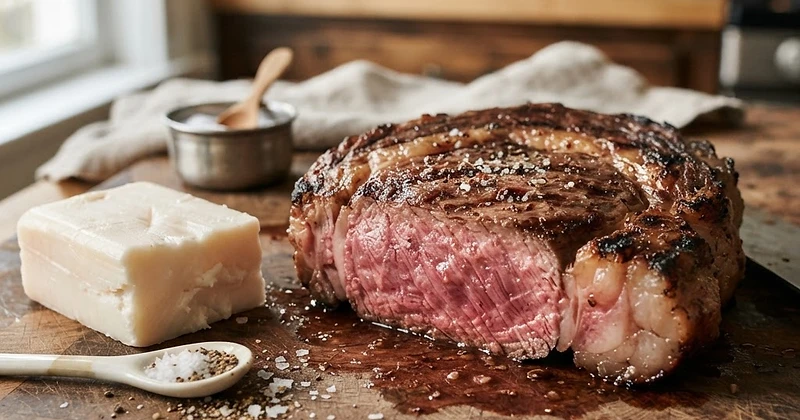
Lean chicken breast, turkey, and sirloin will quickly derail your Lion Diet journey. Instead, build your grocery list around naturally fatty beef lion diet staples:
- Ribeye steaks: Naturally marbled with high intramuscular lipid content and thick outer fat caps.
- Short ribs & beef brisket: Highly connective and rich in both saturated fat and gelatin.
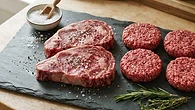
- 70/30 or 73/27 ground beef: Standard 80/20 or 90/10 ground beef is too lean for the Lion Diet unless extra fat is added. Opt for 70/30 ground beef blends to maintain proper ratios.
- Lamb shoulder chops & lamb ribs: Lamb is frequently fattier than standard commercial beef cuts, offering an excellent alternative profile.
2. Incorporate Rendered Ruminant Tallow and Suet
Even fatty cuts can fall short once rendered fat cooks out into the pan. If you drain off pan drippings, you inadvertently turn a fatty meal into a lean one. To maintain your ratios:
- Pour rendered fats back: Drizzle all cooking juices and liquified fat directly back over your steak or ground beef.
- Keep cold tallow on hand: High-grade, grass-fed beef tallow can be scooped cold and consumed alongside warmer, leaner bites of meat.
- Pan-sear raw suet: Beef kidney fat (suet) has a firm, waxy texture that does not melt immediately. Lightly salting and pan-searing raw suet cubes produces a rich, nutrient-dense fat supplement.
Recognizing the Signs: Are Your Ratios Off?
Your body provides clear physiological cues when your macronutrient balance tilts too far in either direction. Use these benchmarks to adjust your intake:
Signs You Need More Fat (Too Much Protein):
- Dry, sluggish stools or constipation: Dietary fat lubricates the intestinal tract; low fat slows transit time.
- Brain fog and energy crashes: Without dietary fat for fuel, you experience a mid-afternoon drop in stamina.
- Sugar cravings: Persistent cravings for carbohydrates on carnivore are almost always disguised signals for dietary energy (fat).
- Dry skin and unquenchable thirst: High urea clearance depletes water and intracellular electrolytes rapidly.
Signs You Need to Temporarily Dial Fat Back:
- Loose, oily stools or sudden diarrhea: Consuming more rendered liquid fat than your gallbladder's current bile output can emulsify will trigger rapid bowel movements.
- Nausea after meals: If fat intake ramps up too quickly before bile production upregulates, you may experience upper gastric fullness or mild nausea.
Actionable Plan to Balance Your Lion Diet Macros
- Estimate your protein baseline: Target roughly 0.8 to 1.0 grams of protein per pound of your ideal body weight. For a 150-pound target, aim for 120–150 grams of protein daily.
- Match your fat grams 1:1: Pair that 120–150 grams of protein with an equal 120–150 grams of pure animal fat as your baseline floor.
- Transition slowly to rendered fats: If you experience digestive distress from liquid beef fat, switch to solid fats like chilled suet, cold beef tallow, or fattier, chewable fat caps on steaks.
- Salt generously: Adequate sodium supports fluid retention and cellular hydration while the liver adapts to converting fat into ketones.