Master the art of eating out on the Lion Diet. Learn how to order ruminant meats, avoid hidden seed oils and seasoning blends, and communicate effectively with restaurant staff.
We only share products we believe in. Buying through a link may earn us a small commission — thanks for the support. Learn more →
Dining out on a standard carnivore diet can present challenges, but sticking to the Lion Diet introduces an entirely different level of precision. As the ultimate plant-free, ruminant-only elimination protocol—consisting exclusively of ruminant meat (such as beef, lamb, bison, and venison), salt, and water—a single drop of cooking oil or a dusting of black pepper can unravel weeks of gut healing or trigger autoimmune flare-ups.
For many, the fear of contamination leads to social isolation. However, you do not need to forfeit social dinners, business lunches, or date nights to maintain therapeutic compliance. With the right communication strategy, proactive venue selection, and a clear understanding of commercial kitchen operations, dining out on ruminant meat can be seamless and stress-free.
The Core Challenges of Lion Diet Dining Out
Commercial kitchens operate on speed, cost efficiency, and standard flavor profiles. Navigating this environment requires understanding the specific culinary practices that directly conflict with the Lion Diet:
- Industrial Seed Oils: Soybean, canola, corn, and cottonseed oils are commercial kitchen staples due to their low cost and high smoke points. They are routinely applied to flat-top grills, brushed over cuts of meat to create a glossy finish, or hidden inside commercial butter blends.
- Pre-Seasoned and Marinated Cuts: Many casual restaurants receive vacuum-sealed steaks that have already been tenderized, brined, or marinated with soy, dextrose, garlic powder, and onion powder before reaching the line.
- Dairy & Pepper Finishes: Classic steakhouse culinary technique dictates topping a hot steak with a knob of butter and finishing it with freshly cracked black pepper or an herb garnish.
- Cross-Contamination: Grills frequently host marinades, gluten-containing burger buns, and poultry, leaving residues that can provoke reactions in sensitive individuals.
Selecting the Right Establishments
Success starts long before you sit at a table. Choosing establishments with transparent, scratch-cooking practices makes adhering to ruminant-only dining significantly simpler.
1. Traditional Steakhouses (The Gold Standard)
High-end and mid-tier steakhouses are premier destinations for carnivore dining. They cook individual prime cuts to order, utilize high-temperature open flame broilers (which reduce the need for cooking fat), and pride themselves on ingredient sourcing. Well-known chains and independent steakhouses regularly accommodate dietary requests because preparing unseasoned meat requires less work for the kitchen, not more.
2. Brazilian Steakhouses (Churrascarias)
Churrascarias specialize in skewered meats roasted over open fire pits. The star cut—picanha (sirloin cap)—is traditionally seasoned solely with coarse rock salt. While you must confirm that specific skewers are devoid of garlic rubs or citrus bastes, churrascarias offer virtually unlimited access to pure ruminant protein.
3. Casual Burger Joints & Diners
For quick meals or travel, classic burger joints can work remarkably well. Many places allow you to order unseasoned, bun-free beef patties à la carte. Always verify whether patties are cooked on a shared flat-top greased with vegetable oil or charbroiled over an open flame.
The Script: How to Order Without Confusion
Waitstaff and kitchen staff often misunderstand diets or wellness trends, but they universally comprehend allergies and autoimmune sensitivities. According to protocol advice from The Lion Diet FAQ, the simplest way to get what you need without confusion is to clearly state medical sensitivity.
The Exact Verbal Script
When placing your order, look your server in the eye and state your request clearly and politely:
"I have severe autoimmune allergies to all oils, dairy, pepper, and seasonings. I would like the [ribeye / New York strip / lamb chops] cooked completely dry. Absolutely nothing on it—no butter, no vegetable oil, no spices, no black pepper, no garnishes. Just meat and salt on a clean plate, please."
Using the phrase "just meat and salt on a clean plate" eliminates room for creative chef interpretation. If the server asks about food allergies, clarify that you cannot tolerate soy, seed oils, nightshades, gluten, or dairy.
Critical Verification Questions
Before committing to your order, ask two quick clarifying questions:
- "Are your steaks pre-marinated or pre-seasoned?" If a cut arrives at the restaurant pre-rubbed, switch to a cut that must be sliced fresh, such as a prime bone-in ribeye.
- "Can the kitchen cook this on a clean pan, clean foil, or a scraped section of the grill?" This helps shield your cut from residual seed oils or blackened marinade debris left behind by earlier orders.
Avoiding Hidden Seed Oils at Restaurants
Industrial seed oils remain the most persistent hazard when dining out. According to comprehensive dining resources like the Seed Oil Free Restaurant Guide and analysis from Flykitt's Practical Guide to Seed Oils, commercial kitchens frequently use oils in non-obvious ways:
- The Flat-Top Squeeze Bottle: Short-order cooks often lubricate flat tops with soybean oil before dropping meat. Specify a dry grill, or ask that your meat be broiled or seared in a clean stainless-steel pan.
- The "Butter" Trap: Commercial restaurants frequently use liquid butter alternatives (liquid margarine or soybean-oil blends) because they are shelf-stable and cheap. Never order "cooked in butter" on a strict Lion Diet; explicitly request no fat added. Ruminant meat has ample intramuscular fat to cook in its own juices.
- The Finishing Brush: Line cooks routinely brush plated steaks with melted fat or oil to impart a glossy appearance under dining room lighting. Reiterate: no finishing glazes or oils.
Best Cuts to Order
When selecting your protein from a restaurant menu, prioritize cuts that offer adequate energy, natural tenderness, and minimal processing:
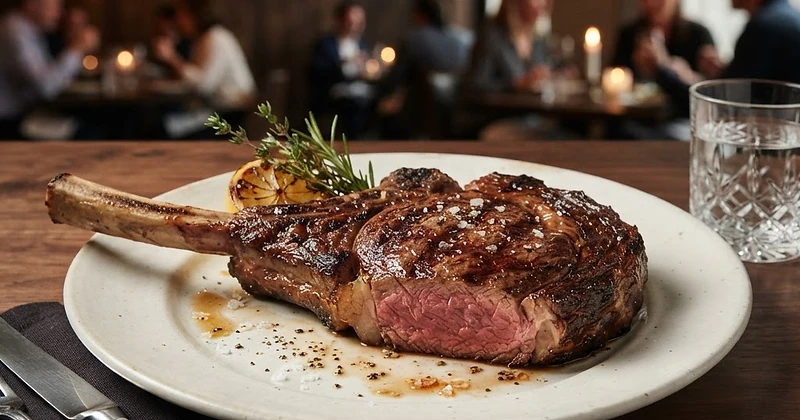
- Bone-In Ribeye: The undisputed king of ruminant dining. The generous marbling and fat cap ensure the meat remains juicy and rich, even when cooked without cooking fats.
- New York Strip: Leaner than a ribeye, but features an outer fat strip. Ask the kitchen not to trim the exterior fat cap.
- Rack of Lamb or Lamb Chops: Lamb is naturally tender, highly nutrient-dense, and rarely pre-marinated at reputable steakhouses. For those who experience histamine sensitivity to aged beef, fresh lamb or veal provides a fantastic, lower-histamine alternative.
- A La Carte Beef Patties: When dining casually, order three to four 100% all-beef patties with salt only. Confirm they do not contain soy fillers or breadcrumb binders.
The Lion Diet Dining Out Checklist
Keep these five principles in mind every time you dine out:
- Review menus in advance: Choose restaurants that prepare steaks from scratch rather than warming pre-packaged items.
- Keep it simple: Do not order combo platters, roasts with pre-made gravies, or braised meats cooked in stocks and wine reductions.
- Specify dry preparation: Reiterate that the meat should be cooked dry, with salt as the only seasoning.
- Inspect your plate: When your plate arrives, look for stray parsley, black pepper specks, or poolings of yellow oil before taking your first bite. If a mistake was made, politely send it back to be remade.
- Tip generously: Preparing custom, allergy-safe dishes requires extra attention from both the line cook and your server. Showing your appreciation builds goodwill for the carnivore community.