Explore the biological mechanisms behind the Lion Diet, from calming gut hyperpermeability to blunting systemic inflammation in autoimmune arthritis and IBD.
We only share products we believe in. Buying through a link may earn us a small commission — thanks for the support. Learn more →
When modern medicine fails to completely resolve chronic autoimmune flare-ups and intractable digestive distress, many individuals find themselves searching for deeper dietary answers. Over the past several years, the Lion Diet—an uncompromising, hyper-focused form of carnivore nutrition consisting exclusively of ruminant meat, salt, and water—has emerged from the fringes into mainstream metabolic and clinical conversations.
While often characterized in mainstream media as an extreme regimen, examining the approach through the lens of gastroenterology, immunology, and metabolic science reveals that it operates as the ultimate whole-food baseline. For those battling conditions like rheumatoid arthritis, ulcerative colitis, Crohn’s disease, or severe intestinal permeability, the lion diet autoimmune protocol serves as a radical biological reset button. Here is an in-depth look at what the science suggests about the Lion Diet, its impact on gut health, and how it mitigates chronic systemic inflammation.
What Is the Lion Diet?
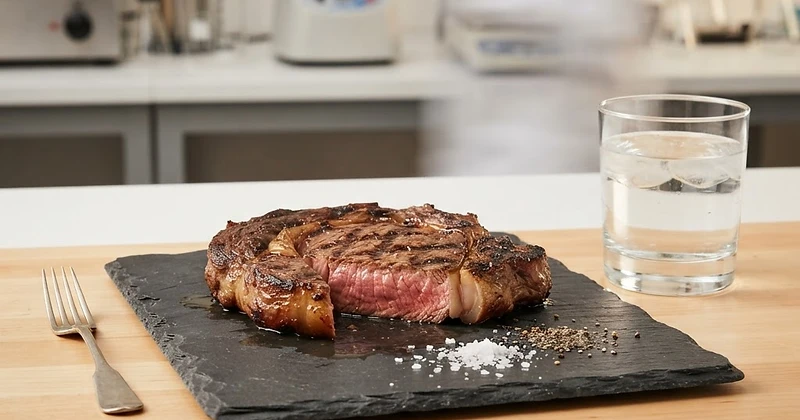
Popularized by Mikhaila Peterson after using it to induce remission in severe juvenile idiopathic arthritis and chronic digestive illness, the Lion Diet narrows daily intake down to three foundational elements:
- Ruminant Meat: Primarily beef, lamb, bison, venison, and goat.
- Water: Filtered or spring water for baseline hydration.
- Salt: Non-iodized, unrefined mineral or sea salt to preserve electrolyte balance.
Unlike a broader carnivore diet—which frequently incorporates eggs, poultry, seafood, pork, and dairy products—the Lion Diet eliminates these variables entirely. Dairy proteins (casein and whey), avian ovalbumin, and excessive polyunsaturated fatty acids (PUFAs) commonly found in monogastric animals are deliberately excluded to minimize antigen exposure.
The Gut Barrier: How Intestinal Hyperpermeability Drives Autoimmunity
To understand the connection between the lion diet gut health response and systemic disease, one must first look at the intestinal barrier. The gastrointestinal tract is lined by a single layer of epithelial cells connected by tight junctions. When functioning properly, this barrier selectively permits micronutrients and water into circulation while barring intact proteins, bacterial endotoxins, and antigens.
When tight junctions degrade—a state frequently referred to as intestinal hyperpermeability or "leaky gut"—macromolecules slip across the mucosa into the bloodstream. The immune system identifies these foreign food fragments and bacterial lipopolysaccharides (LPS) as threats, generating targeted antibodies.
Over time, this process can stimulate molecular mimicry, where antibodies directed at foreign food antigens cross-react with healthy human tissues due to structural homology. For individuals genetically predisposed to autoimmunity, this immune cross-reactivity can trigger targeted attacks on the synovial membranes of joints, the colon lining, the thyroid, or the central nervous system.
How the Lion Diet Reduces Gut Inflammation
The therapeutic rationale behind an extreme elimination diet inflammation strategy rests on removing biological triggers so the mucosa can repair itself. The Lion Diet targets gut inflammation through several critical pathways:
1. Zero Plant Antinutrients and Defense Compounds
Plants produce bioactive secondary metabolites to defend against herbivore consumption. Compounds such as lectins, phytates, saponins, oxalates, and certain tannins can bind to mucosal cells, disrupt tight junctions, and cause subclinical epithelial irritation. By eliminating all plant matter, individuals avoid these defense chemicals entirely.
2. Eradicating Fermentable Substrates (FODMAPs and Fiber)
While dietary fiber and fermentable oligosaccharides, disaccharides, monosaccharides, and polyols (FODMAPs) are often promoted for a healthy microbiome, they can pose serious issues for compromised digestive tracts. In conditions like Small Intestinal Bacterial Overgrowth (SIBO) or active Inflammatory Bowel Disease (IBD), fermentable carbohydrates provide fuel for dysbiotic bacteria, resulting in excess gas, distension, mucosal friction, and inflammatory cytokine production. Stripping the diet of fermentable fibers starves bacterial overgrowths in the small intestine, providing rapid symptomatic relief for many sufferers.
3. Bioavailable, Low-Residue Nutrition
Ruminant meat is nearly completely digested and absorbed in the upper gastrointestinal tract via gastric acid and pancreatic proteolytic enzymes. Because it leaves little to no fibrous residue passing through the colon, the lower digestive tract experiences significantly reduced mechanical friction, allowing mucosal ulcerations to rest and regenerate.
The Science Behind the Lion Diet for Arthritis and Systemic Pain
One of the most notable clinical observations surrounding the lion diet for arthritis is the rapid reduction in joint pain and morning stiffness. This phenomenon hinges on the clearance of circulating immune complexes (Type III hypersensitivity reactions).
When systemic food-specific antibodies bind to circulating food proteins, they aggregate into antigen-antibody complexes. In healthy physiology, the mononuclear phagocyte system efficiently clears these complexes. However, when the antigen load persists daily—such as recurring exposures to gluten, soy, nightshades, or dairy—these complexes deposit directly into microvascular beds, notably the synovial lining of joints.
Once settled into synovial tissue, the complexes trigger complement cascades and recruit neutrophils, leading to localized swelling, joint stiffness, and chronic cartilage destruction. By stripping the diet to ruminant protein and salt, the influx of reactive antigens drops precipitously. Within weeks, existing complexes clear, immune activation wanes, and inflammatory mediators such as TNF-alpha, IL-6, and C-reactive protein (CRP) frequently drop back into baseline ranges.
Emerging Clinical Research and Medical Scrutiny
For years, evidence supporting the carnivore and Lion diets relied primarily on patient case studies. However, clinical researchers are beginning to evaluate these interventions under formal protocols. Notably, randomized controlled trials are currently registered to measure the efficacy of ketogenic and carnivore (Lion) diets on autoimmune conditions such as Rheumatoid Arthritis (RA), Ulcerative Colitis (UC), and Crohn’s Disease (ClinicalTrials.gov NCT07524244). These studies aim to track verified clinical biomarkers, such as fecal calprotectin and inflammatory serology, to quantify gut mucosal healing objectively.
At the same time, conventional institutions like the Cleveland Clinic advise caution regarding hyper-restrictive animal-based diets. Medical professionals often point out that long-term restriction removes dietary fiber, which alters microbiome composition, and they emphasize that extreme protocols may carry cardiometabolic or nutrient-intake risks for certain populations. Consequently, the consensus among many integrative practitioners is to approach the Lion Diet primarily as a targeted diagnostic and therapeutic elimination protocol rather than a rigid, lifelong necessity for every individual.
Actionable Steps: Implementing the Lion Diet Safely
If you and your healthcare team decide to test the Lion Diet to investigate severe autoimmune symptoms or gut inflammation, following a structured process helps ensure safety and actionable insights:
- Establish a Clinical Baseline: Before making radical dietary adjustments, obtain objective lab work. Check markers such as high-sensitivity CRP (hs-CRP), comprehensive metabolic panels, lipid profiles, micronutrient levels, and relevant autoimmune titers (such as ANA, RF, or anti-CCP).
- Source Ruminant Meat: Base your meals entirely around beef, lamb, bison, or goat. Opt for fatty cuts (like ribeye, chuck roast, ground beef 80/20, or lamb chops) to meet daily caloric needs, as high-protein intake without adequate fat can lead to digestive discomfort and low energy.
- Maintain Hydration and Electrolytes: The sudden removal of carbohydrates rapidly depletes glycogen stores and releases stored water. To prevent electrolyte imbalances, fatigue, and muscle cramps, salt your meat liberally with unrefined sea salt or pure mineral salt, and drink clean water to thirst.
- Commit to a 30- to 60-Day Reset: Immune complex clearance and mucosal tissue repair take time. Give the protocol at least 4 to 8 weeks of strict compliance. Introducing "cheat meals" or spices during this diagnostic phase reintroduces potential antigens and invalidates your baseline.
- Systematic Reintroduction: Once your inflammatory symptoms have stabilized, do not remain completely restricted indefinitely unless medically necessary. Gradually reintroduce single-ingredient foods—such as pasture-raised egg yolks, wild-caught seafood, or specific low-toxicity fruits—one at a time every 4 to 7 days, meticulously documenting any recurrence of joint stiffness, brain fog, or gut distress.
Ultimately, the Lion Diet represents one of the most powerful whole-food elimination frameworks available. By removing complex plant chemical defenses, eliminating intestinal fermentable substrates, and halting the formation of inflammatory immune complexes, it offers a distinct metabolic environment for addressing recalcitrant autoimmune symptoms and rebuilding gastrointestinal resilience from the ground up.
Sources & References
- Abbott, R., et al. (2024). Ketogenic and Carnivore (Lion) Diets for Inflammatory Bowel Disease and Rheumatoid Arthritis. ClinicalTrials.gov Identifier: NCT07524244.
- Cleveland Clinic. (2023). Is the Lion Diet a Healthy Way To Eat? Cleveland Clinic Health Essentials.
- Peterson, M. (2024). The Lion Diet: Elimination Diet Protocols and Autoimmune Recovery. The Lion Diet Resource Hub.
- Symbios Nutritional Health. (2024). Discover the Lion Diet: A Natural Reset for Your Health. Symbios Health.