Discover how incorporating fish and shellfish on a carnivore diet boosts your EPA/DHA, restores thyroid-supporting iodine, and elevates your energy levels.
We only share products we believe in. Buying through a link may earn us a small commission — thanks for the support. Learn more →
When most newcomers picture an ancestral carnivore protocol, thoughts immediately turn to ribeye steaks, ground beef, and bacon. While ruminant red meat remains the nutritional backbone of an animal-based lifestyle, overlooking the ocean means leaving massive health and hormonal advantages on the table.
Adding carnivore diet seafood introduces bioavailable micronutrients and fatty acid profiles that land-based meats simply cannot supply in high volumes. From long-chain polyunsaturated fats like EPA and DHA to vital marine-exclusive trace minerals like iodine, incorporating seafood can resolve common metabolic stalls, support thyroid function, and dramatically improve sustained physical energy.
In this guide, we break down why you should eat fish on carnivore diet protocols, highlight the premier species to target, and provide actionable tips for balancing your macronutrients.
Why Incorporate Seafood on a Carnivore Diet?
While ruminant meat provides exceptional zinc, iron, carnitine, and B vitamins, strategic additions of marine life fill distinct nutritional niches:
1. Balancing the Omega-6 to Omega-3 Ratio
Even grass-finished beef contains limited quantities of preformed long-chain omega-3 fatty acids: eicosapentaenoic acid (EPA) and docosahexaenoic acid (DHA). Fatty cold-water fish are unrivaled sources of bioavailable EPA and DHA, compounds essential for modulating inflammatory pathways, maintaining cellular membrane fluidity, and supporting cognitive function.
2. Thyroid and Metabolic Support via Iodine
Iodine deficiency is a common risk factor for individuals strictly consuming terrestrial muscle meats without iodized salt. Your thyroid gland depends on iodine and selenium to synthesize thyroxine (T4) and triiodothyronine (T3), the primary hormones regulating metabolic rate and daily energy. Shellfish and marine fish are naturally dense in organic, highly bioavailable iodine.
3. Nutrient Density: Zinc, Copper, and Vitamin D
Bivalves like oysters and mussels provide unprecedented ratios of zinc and copper along with natural vitamin B12. Meanwhile, fatty fish livers and oily species serve as potent, whole-food sources of vitamin D3 and astaxanthin, a powerful marine antioxidant that protects cellular mitochondria against oxidative stress.
The Best Fish for Carnivore Diet Success
When selecting the best fish for carnivore diet regimens, prioritizing wild-caught, fatty, and low-trophic species maximizes nutrient density while minimizing heavy metal exposure.
1. Wild-Caught Salmon
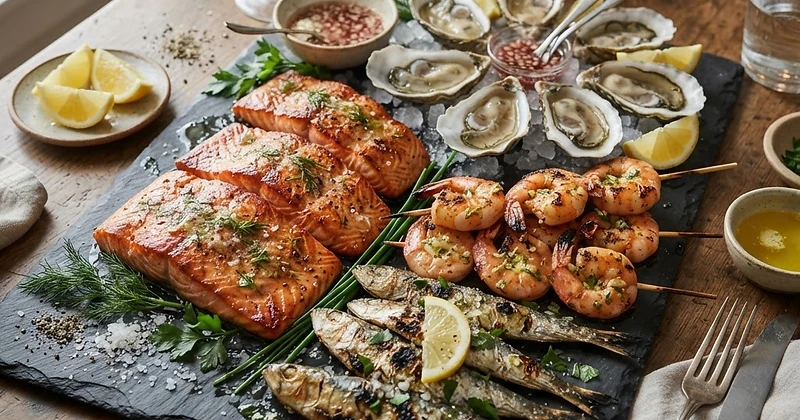
Wild Alaskan salmon (such as Sockeye, King, or Coho) is king in the carnivore community. Unlike grain-fed, farmed varieties, wild salmon feeds on zooplankton and smaller fish, developing rich stores of astaxanthin and an ideal omega-3 to omega-6 ratio. A single 6-ounce fillet easily fulfills multiple days' worth of EPA and DHA requirements while providing easily digestible protein.
2. Sardines, Mackerel, and Anchovies (SMASH)
Small cold-water oily fish—frequently grouped as SMASH fish—are nutritional titans. Opting for salmon and sardines carnivore combinations offers unmatched value. Because sardines and anchovies sit low on the oceanic food chain, they do not bioaccumulate high levels of methylmercury or microplastics. Eating whole, bone-in canned sardines also supplies bioavailable calcium, a mineral that can sometimes be sparse on a pure muscle-meat regimen.
3. Wild Halibut, Cod, and Cod Liver
White fish such as wild cod, haddock, and halibut are leaner than salmon, but they remain rich in potassium, selenium, and clean amino acids. For true carnivore powerhouses, canned wild cod liver stands alongside beef liver as nature's ultimate multivitamin, delivering astronomical concentrations of bioavailable vitamin A and vitamin D3.
Shellfish: The Sea's Nutrient Powerhouses
Shellfish are arguably the most nutrient-dense category of carnivore diet seafood. Including shellfish just once or twice per week provides trace mineral insurance.
Oysters
Oysters boast the highest concentration of bioavailable zinc of any food on Earth. Zinc works synergistically with copper and selenium to optimize testosterone levels, immune surveillance, and enzymatic cellular repair. Whether eaten raw on the half-shell or pan-seared in beef tallow, oysters are an essential carnivore superfood.
Shrimp, Crab, and Lobster
Crustaceans offer pristine, lean protein combined with selenium, astaxanthin, and iodine. Because crustaceans are naturally low in fat, the best carnivore practice is to pair them generously with animal fats like grass-fed butter, ghee, or melted beef tallow to maintain energy-dense caloric intake.
Fish to Avoid or Limit
While seafood is a fantastic addition, not all options belong in a clean carnivore routine:
- Apex Predators: Large predatory species such as shark, swordfish, king mackerel, and tilefish bioaccumulate dangerous concentrations of environmental methylmercury.
- Farmed Tilapia and Low-Grade Farmed Salmon: Often raised in crowded conditions and fed soy- or grain-based pellets, these fish exhibit distorted omega-6 to omega-3 ratios and elevated inflammatory markers compared to their wild counterparts.
- Commercial Seafood with Additives: Check labels on canned tuna, crab meat, or frozen fillets to ensure they are free from vegetable broths, soy, citric acid, and seed oils.
How to Prepare Seafood the Carnivore Way
Because carnivore eliminates plant oils and seed oils, preparing seafood requires clean, traditional animal fats to preserve flavor and elevate fat ratios:
- Pan-Searing in Tallow or Lard: Crisp salmon skin or sear sea scallops in hot beef tallow, duck fat, or home-rendered lard for an exceptional crust.
- The Butter Bath: Gentle poaching or pan-basting shrimp, cod, and lobster in grass-fed butter allows delicate proteins to absorb rich fat, preventing lean white fish from triggering a protein-heavy energy dip.
- Flaky Salt Simplicity: Skip inflammatory spice blends and seed-oil-based marinades. Quality unrefined sea salt is all you need to elevate natural ocean flavors.
Actionable Takeaway: Structuring Your Carnivore Week
You do not need to replace your favorite cuts of red meat to reap the rewards of the ocean. Use this simple weekly framework:
- Daily Base: Ruminant red meats (beef, lamb, bison) for sustained iron, B-vitamins, and primary caloric energy.
- Twice Weekly: A fatty fish meal (such as wild salmon, mackerel, or bone-in sardines) to saturate cellular EPA and DHA stores.
- Once Weekly: A bivalve or crustacean meal (fresh oysters or wild shrimp tossed in butter) to replenish iodine, selenium, and zinc.
Sources & References