The Ultimate 30-Day Lion Diet Guide: Rules, Results, and Common Mistakes
← All articles
Diet BasicsLion

The Ultimate 30-Day Lion Diet Guide: Rules, Results, and Common Mistakes

Discover the essential rules, expected 30-day results, and pitfalls to avoid on the Lion Diet—the ultimate carnivore elimination protocol for resetting your gut and calming inflammation.

By Editorial Team

We only share products we believe in. Buying through a link may earn us a small commission — thanks for the support. Learn more →

When standard anti-inflammatory protocols fail to resolve stubborn autoimmune flare-ups, joint pain, or chronic digestive distress, many individuals find themselves searching for the ultimate nutritional baseline. Enter the Lion Diet—the most stringent, bioavailable variation of the carnivore elimination diet known to functional health.

Popularized by lifestyle podcaster Mikhaila Peterson, who documented the reversal of severe autoimmune and depressive symptoms, the Lion Diet strips human nutrition down to bare evolutionary essentials. While broader carnivore eating permits pork, poultry, seafood, eggs, and dairy, the Lion Diet acts as a biological clean slate. This comprehensive lion diet guide walks you through the foundational rules, week-by-week timeline, expected results, and crucial mistakes to avoid across a transformative 30-day trial.

What Is the Lion Diet?

The Lion Diet is a short-term, therapeutic ketogenic elimination protocol designed to eradicate potential allergens, plant toxins (such as oxalates, lectins, and phytates), and food additives. By consuming exclusively ruminant animal meat, water, and salt, you systematically eliminate every common dietary trigger known to aggravate the gut barrier and immune system, as detailed in Healthline's review of the Lion Diet.

Why Ruminant Meat Only?

Unlike monogastric animals (pigs and poultry) that store polyunsaturated fatty acids (PUFAs) and dietary anti-nutrients directly into their adipose tissue, ruminants possess a multi-chambered stomach. Microbes ferment their forage, biohydrogenating unstable fats and converting plant matter into high-quality saturated and monounsaturated fatty acids. Beef, lamb, bison, elk, goat, and deer deliver the most stable fatty acid profiles, alongside optimal bioavailability of critical micronutrients like zinc, iron, carnitine, creatine, and vitamin B12.

The Non-Negotiable Lion Diet Rules

The strength of an elimination diet lies in its strictness; introducing even small exceptions can cloud your results. To achieve diagnostic clarity over your 30-day protocol, adhere strictly to these fundamental lion diet rules:

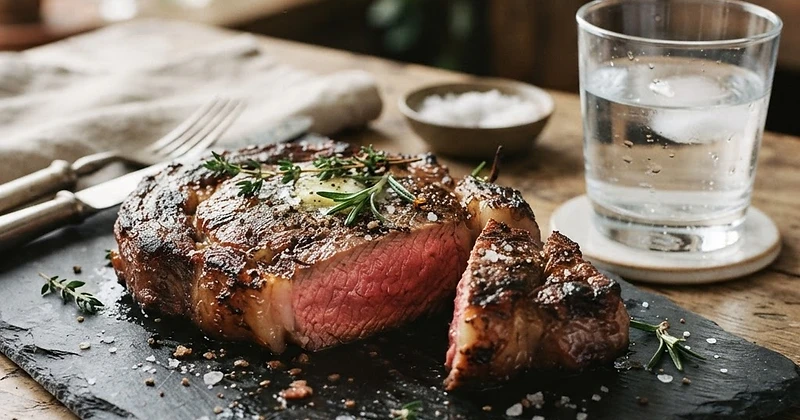
  • Eat Exclusively Ruminant Meat: Your plate should consist solely of beef, lamb, bison, venison, goat, or mutton. Cuts like ribeye, chuck roast, 80/20 or 75/25 ground beef, brisket, and short ribs are ideal. Lean meats must be avoided unless paired with ruminant suet or tallow.
  • Rely on Non-Plant Cooking Fats: Only cook in rendered beef tallow, lamb tallow, or suet. Butter, ghee, olive oil, avocado oil, and seed oils are completely prohibited.
  • Hydrate with Pure Water: Drink spring, mineral, or well-filtered tap water. Carbonated water is generally acceptable if free of natural flavorings or citric acid. Coffee, tea, herbal tisanes, and alcohol are strictly excluded.
  • Season Only with Pure Salt: Use non-iodized, additive-free salt such as coarse Redmond Real Salt, Celtic sea salt, or Himalayan pink salt. Black pepper, garlic powder, onion powder, and spice blends must be eliminated.
  • Eat to Satiety: The Lion Diet is not a calorie-restricted regimen. Aim for 2 to 4 pounds of fatty meat per day, eating whenever hunger signals arise until you are fully satisfied, as outlined in The Primal's Lion Diet Guide.

Week-by-Week 30-Day Timeline: What to Expect

Transitioning abruptly from a standard modern diet or even a ketogenic diet to a ruminant-only lifestyle induces acute metabolic and microbiome shifts. Understanding what lies ahead will keep you focused and committed.

Week 1: The Metabolic Shift & Keto Adaptation

As carbohydrate intake drops to zero, your liver depletes its glycogen reserves. Because glycogen binds three to four grams of water per gram, you will experience rapid fluid loss. This fluid shift depletes essential electrolytes—sodium, potassium, and magnesium. You may experience fatigue, mild headaches, cravings, and bowel irregularities. This is the notorious transition phase; aggressive salting of your meals is mandatory.

Week 2: Digestive Recalibration

Your gut microbiome is rapidly remodeling. Intestinal bacteria that thrived on fiber and starches starve, while bile secretion increases to digest high volumes of animal fat. Some individuals experience temporary loose stools, while others notice bowel movements becoming significantly less frequent due to meat’s complete absorption in the small intestine. Physical energy stabilizes as your mitochondria upregulate ketone utilization.

Week 3: The Calming of Inflammation

By day 15 to 21, systemic benefits become readily apparent. Cravings for sugar and carbohydrates largely vanish due to stable blood glucose and elevated peptide YY and cholecystokinin (satiety hormones). Joint aches, morning stiffness, and chronic skin conditions like eczema or acne frequently demonstrate noticeable improvement as inflammatory cytokines decline.

Week 4: Baseline Clarity & Deep Satiety

Entering the final stretch, mental clarity, emotional equilibrium, and sustained physical endurance become the standard. Your digestion feels effortless, with zero postprandial bloating or lethargy. At day 30, you have established your pure biological baseline, allowing you to clearly assess your true lion diet results.


Join the Community

Create your free account to access personalized targets, daily tracking, and lifestyle guidance tailored to your diet path.

Sign Up Free

Expected Lion Diet Results: What the Evidence Shows

While mainstream dietetics often cautions against low-fiber protocols, clinical interest and participant surveys reveal striking outcomes. A landmark survey of over 2,000 carnivore participants published in Current Opinion in Endocrinology, Diabetes and Obesity, referenced by Clean Eatz Kitchen's analysis, documented overwhelming satisfaction, marked reduction in medication reliance, and dramatic improvements in quality of life.

  • Profound Reductions in Autoimmune Symptoms: Removing cross-reactive plant proteins often relieves long-standing joint inflammation, skin flares, and systemic pain. Formal randomized trials, such as those registered by the Fuller Research Foundation, continue to evaluate the therapeutic role of ruminant diets for chronic illness.
  • Effortless Body Composition Improvements: The high satiety quotient of fatty ruminant meat naturally eliminates snacking and suppresses excessive caloric intake, prompting sustained fat loss while preserving lean skeletal muscle.
  • Resolution of Gut Dysbiosis: Eliminating FODMAPs, insoluble plant fiber, and antinutrients relieves chronic bloating, gas, and abdominal cramping, functioning as a reset button for irritated gut linings, according to Cleveland Clinic's nutritional overview.
  • Heightened Mental Clarity: Stable blood ketone levels and zero glycemic volatility provide steady cellular energy to the brain, frequently resolving brain fog and mood swings.

Common Mistakes on the Lion Diet and How to Avoid Them

Most individuals who struggle on a 30-day carnivore elimination diet fall prey to easily preventable errors. Ensure you avoid these four critical missteps:

1. Eating Meat That Is Far Too Lean

Attempting to follow the Lion Diet using sirloin, eye of round, or 90/10 ground beef will result in "protein poisoning" or rabbit starvation. Without carbohydrates or exogenous fats, the body cannot derive adequate fuel from lean protein alone. Maintain an approximate fat-to-protein ratio of 1:1 in grams (or 70-80% of calories from fat). Prioritize well-marbled ribeyes, 75/25 ground beef, brisket, or supplement cuts with crispy beef suet.

2. Neglecting Sodium and Fluid Balance

Insulin signals the kidneys to retain sodium. On a zero-carb elimination diet, low insulin levels trigger rapid sodium excretion. If you only salt your food lightly, you risk muscle cramps, dizziness, palpitations, and lethargy. Liberally salt every meal until it tastes good, and sip water infused with a pinch of mineral salt throughout the day.

3. Under-Eating During the First Two Weeks

Because protein and saturated fat trigger powerful satiety signals, beginners often feel full after eating only a small 10-ounce steak, finishing the day in a massive, unintended caloric deficit. This tanks thyroid hormones, dysregulates sleep, and triggers intense cravings. Aim to consume at least 2 pounds of meat daily, splitting your intake into two or three dedicated meals.

4. Introducing Hidden Invalids

Chewing gums, carbonated waters with "natural essence," stevia drops, pre-seasoned butcher meats, or cooking sprays will compromise the validity of your elimination baseline. Maintain ruthless discipline: strictly ruminant meat, salt, and water.

Transitioning Off: How to Reintroduce Foods

The Lion Diet is primarily a diagnostic baseline and healing protocol, not necessarily a lifetime sentence for everyone, as explained in The Lion Diet comparison resource. Once your 30 days are complete and your symptoms have cleared, implement a structured reintroduction phase:

  1. Test One Ingredient at a Time: Begin with single-ingredient, high-nutrient animal foods (e.g., pasture-raised egg yolks, wild-caught salmon, or raw grass-fed butter).
  2. Maintain a 72-Hour Testing Window: Consume the test food for one meal, then return exclusively to ruminant meat for the next three days. Delayed immune reactions or gut flares often take 48 to 72 hours to manifest.
  3. Monitor Key Markers: Track joint stiffness, energy levels, digestive changes, skin reactions, and sleep quality. If no adverse symptoms occur, that food is cleared as safe. If symptoms return, eliminate it and wait until your baseline clears before testing another food.

Final Thoughts & Action Plan

A 30-day trial of the Lion Diet provides profound insight into your individual biology. By eliminating environmental and dietary background noise, you empower your body to heal mucosal inflammation and restore metabolic flexibility.

To start tomorrow, clean out your refrigerator, find a local butcher or regenerative ranch that supplies high-fat beef and lamb, stock up on quality sea salt, and commit fully for 30 consecutive days. Your biological baseline awaits.

Sources & References

Sources & References

Join the Community

Create your free account to access personalized targets, daily tracking, and lifestyle guidance tailored to your diet path.

Sign Up Free

We use cookies and similar technologies to operate the site and improve your experience. By continuing, you agree to our use of non-essential cookies. See our Privacy Policy.