Curious how to blend carnivore and keto? Discover the ultimate ketovore diet food list, including which plant foods are actually allowed without disrupting ketosis.
We only share products we believe in. Buying through a link may earn us a small commission — thanks for the support. Learn more →
For many low-carb purists, strict zero-carb carnivore feels just a bit too rigid, while standard ketogenic diets often rely too heavily on processed nut flours, seed oils, and inflammatory plant extracts. Enter the ketovore diet: a powerful, animal-based hybrid protocol designed to offer the elimination and satiety benefits of meat-focused living alongside the culinary and social flexibility of keto.
At its core, a ketovore diet is animal-forward. Between 80% and 90% of your daily intake comes from nutrient-dense animal proteins and fats, leaving a modest 10% to 20% window for select low-carb plant items. But this brings up a crucial question: What plant foods are actually allowed on a ketovore diet food list?
To avoid sabotaging gut health, stalling fat loss, or triggering metabolic inflammation, you cannot simply bring back any plant food. Let us examine the philosophy behind ketovore allowed foods and establish precisely which ketovore vegetables, fruits, and seasonings deserve a place on your plate.
The Ketovore Philosophy: Animal-First, Plants as Seasoning
The standard ketogenic diet is defined by macronutrient limits: keep carbs below 30–50 grams, and virtually any ingredient that fits those numbers is accepted. In contrast, the ketovore framework is defined by food quality and evolutionary appropriateness. It places ruminant meats, poultry, wild seafood, and natural animal fats at the center of human nutrition, viewing plants not as caloric staples, but as culinary accents, micronutrient adjuncts, or occasional treats.
According to clinical insights highlighted by health authorities such as Diagnox Health and analysis by Paleo Pro, ketovore dieters typically keep total net carbs between 10 and 25 grams per day. This tight carbohydrate cap keeps the body deeply in ketosis while providing a functional "safety valve" for individuals who struggle with the social or digestive isolation of pure carnivore.
The Animal-Based Foundation (80%–90% of Daily Intake)
Before examining allowed plant foods, remember that plant matter should never displace your animal-based low carb foods. The bedrock of your meal plan must always consist of:
- Ruminant meats: Beef, lamb, bison, venison, and goat.
- Pork and poultry: Pastured pork, heritage bacon, chicken thighs, and duck.
- Wild-caught seafood: Salmon, mackerel, sardines, oysters, and shrimp.
- Organ meats: Beef liver, heart, and kidney (consumed in moderate amounts).
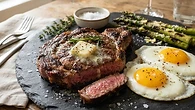
- Pastured eggs: Whole eggs, including the nutrient-dense yolk.
- Animal fats: Tallow, lard, duck fat, suet, and grass-fed butter or ghee.
- Full-fat dairy (optional): Heavy cream, aged parmesan, and hard cheeses, provided dairy sensitivities are absent.
What Plant Foods Are Actually Allowed on Ketovore?
When selecting ketovore vegetables and plant products, our criteria must be strict: low total net carbohydrates, minimal plant defense compounds (such as high oxalates, lectins, and phytic acid), and high digestive tolerance.
1. Low-Toxicity, Low-Carb Fruits Treated as Vegetables
Botanically, several savory culinary staples are fruits that carry negligible sugars and minimal defensive toxins:
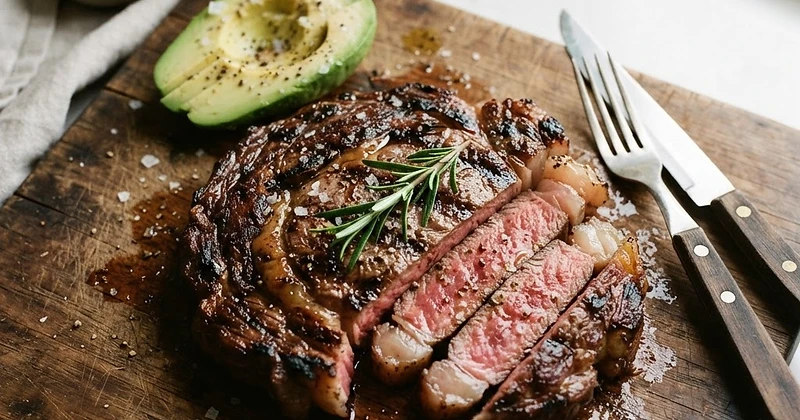
- Avocados: Outstanding for ketovore. Half an avocado delivers roughly 2 grams of net carbohydrates alongside bioavailable potassium, magnesium, and oleic acid.
- Cucumbers (peeled and deseeded): Peeling removes bitter cucurbitacins and abrasive insoluble fiber, leaving an easily tolerated, hydrating crunch.
- Olives: Whole green or black olives preserved in brine or extra virgin olive oil offer healthy fats with almost zero net carbs.
- Zucchini and Summer Squash: Mild and low in carbs, these work nicely when sautéed in beef tallow or butter.
2. Ketovore Vegetables: Low-Oxalate, Low-Starch Options
If you choose to incorporate vegetables, prioritize cooked over raw varieties to break down plant cell walls and ease digestion. Helpful additions outlined in community breakdowns, including GoCarnivore's ketovore guide, include:
- Cruciferous florets (cooked): Steamed or roasted cauliflower and broccoli florets tossed in duck fat. Keep portions small to minimize digestive gas.
- Asparagus: Pan-seared asparagus spears cooked in butter provide dietary variety with very few carbs.
- Mushrooms: Sautéed cremini or button mushrooms pair well with steak and absorb healthy pan juices without spiking blood sugar.
- Fermented vegetables: Raw sauerkraut and kimchi (without added sugars). A single forkful or two can provide beneficial microbes and organic acids to support digestion.
3. Low-Glycemic Berries (Minimal & Occasional)
Standard fruit is strictly forbidden due to high fructose loads, but small quantities of polyphenol-dense, tart berries are permitted by some ketovore dieters:
- Blackberries
- Raspberries
- Wild blueberries
Portion guideline: Keep intake to a quarter-cup (approx. 30–40g), enjoyed only after completing your high-protein, animal-based meal to prevent insulin spikes.
4. Herbs, Spices, and Aromatics
Unlike standard carnivore—which typically uses only salt—ketovore allows natural seasonings to elevate meal variety:
- Fresh and dried herbs: Rosemary, thyme, oregano, basil, and dill.
- Spices: Black pepper, turmeric, cumin, and smoked paprika.
- Alliums (for flavoring): Minced garlic or shallots cooked down in meat tallow for aroma and taste rather than bulk volume.
- Citrus zest: Fresh lemon or lime juice used sparingly over grilled fish or seafood.
5. Plant Beverages and Extracts
Pure water and mineral water remain top priorities, but ketovore permits low-impact plant extracts:
- Black coffee: Plain or blended with butter or heavy cream.
- Unsweetened tea: Green, black, or herbal infusions.
- Unrefined plant oils: Cold-pressed extra virgin olive oil or avocado oil used as light drizzles (though animal fats remain preferred).
Plant Foods That Are Strictly Prohibited
Ketovore is fundamentally distinct from lazy keto or "dirty" low-carb eating. Avoid the following categories entirely to protect your metabolism and avoid inflammatory flare-ups:
- Industrial seed oils: Soybean, canola, corn, cottonseed, and sunflower oils.
- Grains and pseudo-grains: Wheat, oats, rice, quinoa, and corn.
- Legumes and pulses: Beans, lentils, chickpeas, and peanuts.
- Starchy root vegetables: Potatoes, sweet potatoes, yams, and parsnips.
- High-sugar fruits: Bananas, apples, mangoes, grapes, and dried fruit.
- Processed "keto-friendly" snacks: Bars, crackers, and keto bread containing wheat gluten, resistant tapioca starches, or industrial gums.
Comparison: Keto vs. Ketovore vs. Carnivore
To help you evaluate where your plate fits, review this breakdown inspired by low-carb resource platforms like The Primal:
| Diet Protocol |
Target Daily Carbs |
Plant Allowance |
Primary Fat Sources |
| Strict Carnivore |
0g |
None |
Tallow, butter, suet, animal fats |
| Ketovore |
10g – 25g |
Low (herbs, avocado, fermented veg, select greens) |
Mainly animal fats, minimal fruit oils |
| Standard Keto |
20g – 50g |
High (salads, nut flours, vegetables, keto snacks) |
Mixed (butter, olive oil, coconut oil, nut butter) |
How to Build a Balanced Ketovore Plate
To make the transition intuitive and seamless, follow the "Rule of Thumb" for ketovore plate construction:
- Select your centerpiece protein: Aim for 8 to 12 ounces of fatty meat or seafood (e.g., ribeye steak, ground beef, salmon fillet, chicken thighs with skin).
- Add animal fat if lean: If choosing leaner proteins, add grass-fed butter, bacon grease, or duck fat.
- Add a modest plant side: Include one-half of a sliced avocado, a handful of sautéed zucchini, or a tablespoon of fermented sauerkraut.
- Season generously: Finish with unrefined sea salt, cracked black pepper, and fresh herbs.
By keeping the focal point firmly on animal-based low carb foods and treating plant matter strictly as a condiment, you capture the digestive relief and sustained energy of carnivore while maintaining variety and social sustainability for the long haul.
Sources & References