When people transition to an animal-based dietary lifestyle, expectations are usually high. Many expect effortless fat loss, sharp mental focus, and sustained energy. Yet within a few weeks, a significant number of individuals encounter frustrating roadblocks: the scale refuses to budge, fatigue sets in, cravings roar back, and digestive distress develops.
If you find yourself experiencing carnivore diet not losing weight scenarios or feeling run-down, the issue rarely lies in the carnivore concept itself. Instead, it stems from common execution pitfalls. Among all potential carnivore diet problems, two primary errors derail beginners faster than any other: falling into the charcuterie trap and chronic carnivore under eating, especially when it comes to healthy animal fat.
Mistake #1: The "Charcuterie Trap" (Salami, Bacon, and Dairy Overload)
When starting an all-meat regimen, reaching for convenient, hyper-palatable processed meats seems like an easy bridge. Slices of Genoa salami, prosciutto, stacks of cured bacon, pepperoni snacks, and mounds of cheddar cheese often become daily staples. After all, they are technically animal-based, right?
Falling into this convenience-heavy pattern—known among seasoned practitioners as the "charcuterie trap"—is one of the fastest ways to kill results.
Why Processed Meats Stall Your Metabolism
- Sneaky Additives and Dextrins: Cured meats frequently contain added sugars, corn syrup solids, maltodextrin, starches, and artificial flavor enhancers. Even trace amounts of hidden carbs can disrupt fat adaptation and keep insulin levels higher than desired.
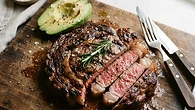
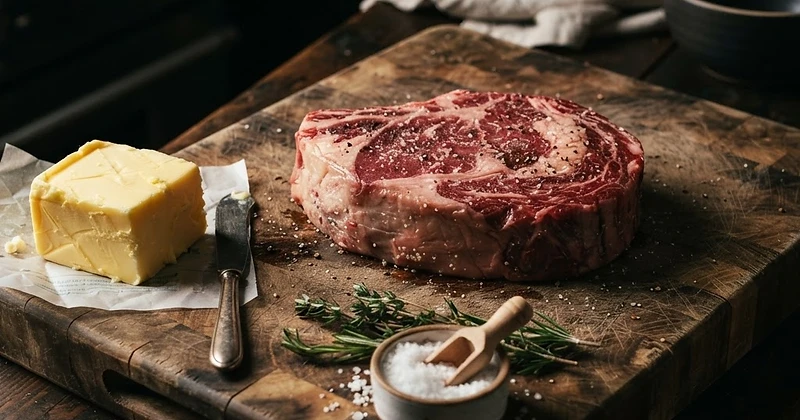
- Hyper-Palatability and Calorie Creep: Salted, spiced, cured meats hijack standard satiety signals. While fresh, unseasoned beef ribeye naturally signals to your brain when you are full, cured salami and snack sticks make it exceptionally easy to overconsume energy.
- Histamine Overload: Aged and cured animal items—including hard cheeses, aged beef sticks, and charcuterie meats—are packed with dietary histamines. For people with histamine intolerance or sluggish DAO enzyme function, this translates to brain fog, fluid retention, skin flare-ups, and systemic inflammation.
- Excessive Dairy and Insulin spikes: Adding large quantities of cheese or heavy cream to compensate for missing side dishes delivers dense calories and dairy proteins (like casein and whey) that can spike insulin significantly, preventing stubborn fat mobilization.
Mistake #2: Under-Eating Fat (And Fearing the Fuel)
Decades of low-fat dietary dogma leave deep psychological scars. Even after eliminating plant foods, many beginners subconsciously gravitate toward lean animal proteins: skinless chicken breasts, canned tuna, extra-lean ground sirloin, or turkey slices.
This creates a dangerous mismatch. The carnivore diet is not merely a high-protein protocol; fundamentally, it is a high-fat, moderate-protein metabolic intervention. When you eliminate dietary carbohydrates, your body must adapt to burning fatty acids and ketone bodies for energy. If you restrict fat while simultaneously eating zero carbs, you force your body into a metabolic metabolic dead-end.
The Dangers of "Rabbit Starvation" and Protein Toxicity
When you consume massive amounts of lean protein without sufficient fat or carbohydrates, your liver must convert excess amino acids into glucose via gluconeogenesis, producing urea as a byproduct. Beyond a certain threshold (roughly 35–45% of total caloric intake from protein), the liver's capacity to synthesize urea is overwhelmed.