Discover the best ruminant cuts, macro strategies, and practical tallow recipes to seamlessly achieve a 2:1 fat-to-protein ratio on the Lion Diet.
We only share products we believe in. Buying through a link may earn us a small commission — thanks for the support. Learn more →
The Lion Diet stands as the apex elimination protocol in the carnivore community. By paring daily nutrition down to strictly ruminant meat, salt, and water, it removes practically all potential dietary antigens, gut irritants, and antinutrients. However, transitioning into this strict way of eating often presents a critical hurdle: dialing in your macronutrients.
Many beginners lean heavily on standard cuts like sirloin or lean ground beef, only to encounter lethargy, digestive distress, or persistent hunger. To thrive on this protocol, understanding your lion diet fat to protein ratio is non-negotiable. Reaching an ideal fat-to-protein ratio—frequently targeted at 2:1 in grams (equating to roughly 70–80% of total calories from fat)—is the secret to sustained energy, hormonal stability, and deep metabolic healing.
Understanding the Lion Diet Fat to Protein Ratio
On a zero-carbohydrate elimination diet, dietary fat is not a condiment; it is your cellular fuel. When you consume excessive lean protein without adequate fat, your body must convert excess amino acids via gluconeogenesis, which can lead to sluggishness, rabbit starvation symptoms, and digestive discomfort.
When experts discuss a 2:1 fat-to-protein ratio, they typically refer to grams of fat to grams of protein. Because fat packs 9 calories per gram and protein contains 4 calories per gram:
- 2 grams of fat = 18 calories
- 1 gram of protein = 4 calories
- Total: 22 calories, yielding approximately 82% calories from fat.
While some individuals maintain well-being on an 80/20 or 70/30 caloric split (roughly 1.5:1 to 1:1 in grams), reaching higher ratios around 2:1 is widely regarded as the gold standard for therapeutic healing, resolving chronic fatigue, and reversing severe gut dysbiosis.
Best Cuts for Lion Diet: Top Ruminant Selections
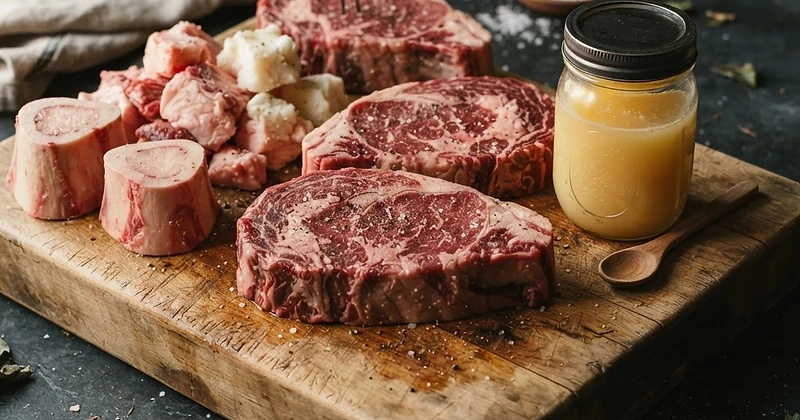
Selecting the best cuts for lion diet success requires prioritizing cuts naturally enriched with intramuscular marbling, connective tissue, and thick fat caps. Here are the premier ruminant cuts from beef, lamb, and bison:
1. Beef Ribeye and Ribeye Cap (Spinalis)
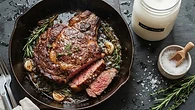
The undisputed king of the Lion Diet. A prime or choice ribeye provides an extraordinary balance of tender muscle meat and generous exterior fat. While standard ribeye naturally hovers near a 1:1 gram ratio, consuming it alongside an added fat source effortlessly pushes your meal toward the 2:1 mark.
2. Beef Chuck Eye & Short Ribs
For budget-conscious carnivores, the chuck eye steak offers ribeye-adjacent tenderness at a fraction of the cost. Short ribs and chuck roasts are densely marbled and laden with collagen. When braised or slow-cooked, their connective tissue softens and the fat melts into a deeply nourishing meal.
3. Beef Brisket (Point Cut)
The brisket flat is relatively lean, but the point (deckle) is deeply saturated with intramuscular fat and capped with dense suet. Smoked, roasted, or slow-cooked brisket point is one of the easiest ways to secure affordable, high-fat ruminant meat.
4. Lamb Shoulder Chops & Lamb Ribs (Riblets)
Lamb is an exceptional ruminant alternative to beef. Cuts like lamb shoulder chops, breast, and riblets are inherently fattier than their beef equivalents. Lamb fat is rich in stearic acid and rarely aged as extensively as beef, making it an outstanding choice for those monitoring dietary histamine levels.
5. High-Fat Ground Beef (70/30 or 75/25)
Regular grocery stores usually cap ground beef at 80/20. However, requesting your local butcher to grind custom 70/30 chuck or adding pure suet creates an accessible, cost-effective staple that takes the guesswork out of hitting your daily macro targets.
How to Supplement Fat to Reach the 2:1 Ratio
Naturally occurring cuts rarely hit a strict 2:1 gram ratio entirely on their own. Leaner ruminants—such as bison, venison, or grass-fed beef—require supplemental ruminant lipids. You can close this macro gap using two primary strategies:
- Beef Suet: Raw kidney and loin fat can be chopped into bite-sized cubes, seasoned with salt, and air-fried or seared briefly. Crisp on the outside and warm in the middle, suet provides bioavailable fat without liquid digestive upset.
- Bone Marrow: Roasted beef femurs yield pure, buttery fat rich in fat-soluble vitamins and conjugated linoleic acid (CLA). Spoon warm marrow directly over your steak to elevate its fat profile.
- Rendered Beef Tallow: The bedrock cooking fat of the Lion protocol.
How to Cook Beef Tallow: A Step-by-Step Guide
Learning how to cook beef tallow at home is an essential skill for anyone committed to the Lion Diet. Making it yourself ensures absolute purity, freedom from additives, and significant cost savings.
Ingredients & Equipment
- 3–5 lbs raw beef suet or hard fat trimmings
- Heavy-bottomed Dutch oven or slow cooker
- Fine mesh strainer and unbleached cheesecloth
- Clean glass Mason jars
Instructions
- Prep the Fat: Chill the suet until firm. Trim away any visible red meat or connective tissue, then finely dice the fat or run it through a meat grinder. The smaller the pieces, the higher and faster your yield.
- Low and Slow Heat: Transfer the fat into your Dutch oven or slow cooker over the lowest possible heat setting. Add 2 tablespoons of water to prevent initial scorching until the fat begins rendering.
- Simmer: Allow the fat to render slowly for 2 to 4 hours. You will see liquid gold accumulate as cracklings shrink and settle. Maintain low heat; scorched fat turns bitter and oxidizes.
- Strain: Once the cracklings turn golden and sink or float lightly, remove the pot from heat. Pour the hot liquid through a fine mesh strainer lined with cheesecloth into heat-safe glass jars.
- Store: Let cool to room temperature until it solidifies into a firm, creamy white tallow. Stored in a sealed jar in a cool, dark pantry or refrigerator, home-rendered tallow keeps for up to a year.
Practical Lion Diet Recipes for Busy Lifestyles
Strict simplicity does not mean boring meals. Here are two foundational lion diet recipes calibrated specifically to elevate fat intake.
Recipe 1: The High-Fat Smash Burger Stack
Ingredients:
- 1 lb 75/25 ground beef or ground lamb
- 2 tbsp home-rendered beef tallow
- Generous coarse sea salt (e.g., Redmond Real Salt)
Method:
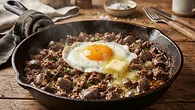
- Divide the ground meat into four equal balls. Heat a cast-iron skillet over medium-high heat with 1 tablespoon of tallow.
- Place the meat balls onto the scorching skillet and smash firmly using a heavy press or spatula until thin.
- Season heavily with salt. Sear for 2 minutes until crispy edges form, then flip for 60 seconds.
- Stack the patties on a plate, pour the remaining rendered tallow and pan juices over the top, and let rest before serving.
Recipe 2: Slow-Cooked Fat-Capped Chuck Pot
Ingredients:
- 3 lbs heavily marbled beef chuck roast or bone-in lamb shoulder
- 4 oz beef suet trimmings or 3 tbsp tallow
- 1 cup filtered water
- Coarse salt to taste
Method:
- Generously salt the roast on all sides.
- Place suet chunks or tallow at the base of a slow cooker, set the seasoned roast on top, and add 1 cup of filtered water.
- Cover and cook on low for 7 to 8 hours until fork-tender.
- Shred the meat directly into the rendered cooking broth, allowing the shredded fibers to absorb the liquefied fats completely.
Troubleshooting Digestion and Adaptation
When dramatically increasing dietary fat to satisfy a 2:1 ratio, your liver and gallbladder need time to ramp up bile production. If you encounter digestive issues, apply these tactical adjustments:
- Avoid Drinking Water Around Meals: Refrain from drinking large volumes of water 30 minutes before or after meals to prevent diluting stomach acid and digestive enzymes.
- Prioritize Solid Fats Over Liquid Fats: Liquid rendered fat often triggers rapid bowel transit. Chilled tallow, cold salted suet, or marrow are typically far gentler on your digestive tract than hot, melted fat.
- Scale Up Gradually: If jumping immediately to an 80% fat macro causes loose stools, spend 10 to 14 days titrating from a 1:1 ratio up to the 2:1 target.
Sources & References