Switching from standard keto to a more carnivorous approach can feel liberating. You leave behind endless almond flour baking, gut-irritating seed oils, and confusing net-carb math in favor of dense, bioavailable nutrition. However, staying consistent requires strategy. Without a dedicated system, it is easy to find yourself scrambling at dinner time or falling back on convenience foods that stall your metabolic health.
A well-executed ketovore meal plan bridges the gap between classic ketogenic eating and strict carnivore. By prioritizing ruminant meats, eggs, and nutrient-dense animal fats while keeping plant matter strictly to minor condiments, herbs, or optional low-toxicity additions, you build lean muscle, optimize satiety, and keep insulin low. Here is your definitive blueprint for animal based keto meal prep, complete with a structured 7-day roadmap, batch-cooking formulas, and deeply satisfying ketovore dinner ideas.
What Is Ketovore and Why Prep Animal-First?
Ketovore is essentially an animal-first iteration of ketogenic eating. While standard keto allows up to 20 to 50 grams of net carbs daily—often filled with nuts, seeds, and bulky vegetables—ketovore tips the scales dramatically toward animal products. Typically, roughly 85% to 95% of total caloric intake comes directly from meat, poultry, fish, eggs, and full-fat dairy, leaving minimal room for incidental carbohydrates like garlic, herbs, avocado, or black pepper.
As clinical resources like Diet Doctor's Low Carb Guidance highlight, keeping meals simple and protein-forward prevents meal fatigue and naturally suppresses appetite via peptide YY and leptin signaling. Animal-first meal prepping gives you three key advantages:
- Eliminates decision fatigue: When animal protein anchors every container, you no longer have to spend hours calculating complicated keto macros.
- Superior nutrient density: Sourcing energy from bioavailable heme iron, zinc, B-vitamins, and carnitine prevents the micronutrient gaps commonly seen on carb-restricted diets.
- Streamlined kitchen time: Prepping large roasts, batches of ground beef, and hard-boiled eggs takes less active kitchen time than chopping and sautéing multiple vegetable dishes.
The Batch-Cooking Foundation: Prep Smarter, Not Harder
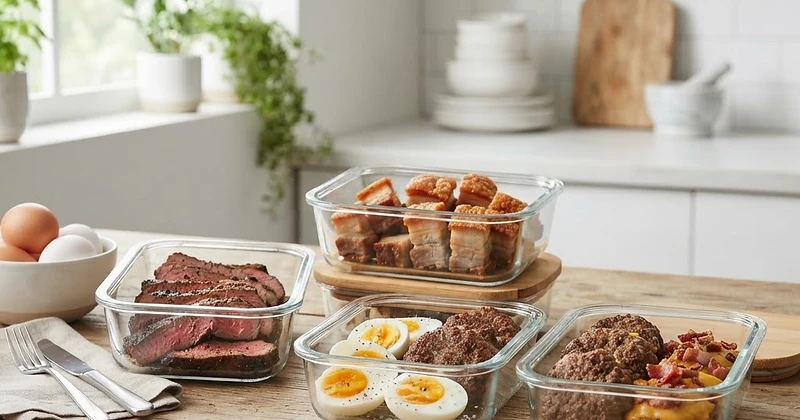
Effective animal based keto meal prep does not require cooking fourteen unique recipes every weekend. Instead, rely on bulk protein bases cooked with tallow, ghee, or bacon grease, as suggested in practical guides from Trifecta Nutrition's batch prep strategies. By mastering the mise en place and setting aside a dedicated cooking block, your entire week becomes effortless.
Core Batch Items to Make on Prep Day
- 2.5 lbs 80/20 Ground Chuck Patties: Form into 6–8 patties. Pan-sear in beef tallow or bake on a parchment-lined sheet pan at 400°F (200°C) for 15 minutes.
- 3 lbs Chuck Roast or Pork Shoulder: Slow-cook in bone broth with salt and a touch of rosemary or garlic powder until fork-tender (6 to 8 hours on low). Shred and store in its natural cooking juices.
- A Dozen Pasture-Raised Eggs: Hard-boil or steam a carton of eggs for convenient grab-and-go morning meals or mid-afternoon snacks.
- 1 lb Thick-Cut Bacon: Bake on a wire rack over a rimmed baking sheet at 375°F (190°C) until crisp; reserve the rendered fat in a glass jar for cooking steaks and chops throughout the week.
7-Day Ketovore Meal Plan
This meal plan assumes two substantial meals per day (a common 16:8 or 18:6 intermittent fasting schedule) along with an optional animal-based protein bridge if needed. Adjust portion sizes to match your personal energy requirements and satiety cues.
Day 1
- Meal 1: Three scrambled eggs cooked in grass-fed butter, paired with three strips of thick-cut oven-baked bacon.
- Meal 2 (Ketovore Dinner Idea): Two 80/20 ground beef patties topped with sharp cheddar, served alongside a half cup of bone broth.
Day 2
- Meal 1: Prepped hard-boiled eggs (3 eggs) sliced and topped with flaky sea salt and a dollop of homemade bacon-grease mayo or ghee.
- Meal 2: Generous portion of shredded slow-cooked chuck roast reheated in its tallow broth, finished with a sprinkle of fresh parmesan.
Day 3
- Meal 1: Pan-seared breakfast sausage patties (pork, salt, sage) alongside two sunny-side-up eggs fried in tallow.
- Meal 2: Crispy skin-on chicken thighs roasted in butter, seasoned lightly with smoked paprika and sea salt, served with a few slices of fresh avocado (ketovore plant inclusion).
Day 4
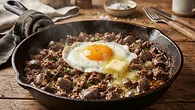
- Meal 1: Leftover slow-cooked chuck roast warmed in a skillet with two over-medium eggs placed right on top.
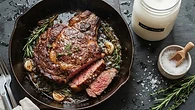
- Meal 2: Cast-iron seared ribeye steak basted with garlic butter, served with a side of crispy pork belly bites.
Day 5
- Meal 1: Ketovore scramble: Ground beef remnants folded into four beaten eggs with mild goat cheese or Monterey Jack.
- Meal 2: Pan-seared wild salmon fillets cooked in ghee, served with a small side of buttered asparagus spears or zucchini rounds.
Day 6
- Meal 1: Smoked salmon, cream cheese, and hard-boiled eggs seasoned with coarse sea salt.
- Meal 2: Ketovore Smash Burgers: Thin-pressed 80/20 patties seared extra crispy, layered with Swiss cheese and bacon strips.
Day 7
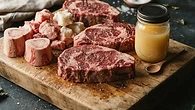
- Meal 1: Classic Sunday Ribeye: 10 oz strip or ribeye steak cooked to medium-rare, accompanied by two fried pasture-raised eggs.
- Meal 2: Clean-out-the-fridge bowl: Shredded chuck roast, leftover bacon crumbles, and melted gouda, broiled in an oven-safe dish until bubbling.
3 High-Protein Ketovore Recipes
Keep these staple ketovore recipes in your back pocket when planning your weekly cooking rotation. Each prioritizes clean animal fats and high protein density.