A complete beginner's guide to the carnivore diet, featuring an actionable 7-day meal plan, detailed food list, budget tips, and what to expect during adaptation.
We only share products we believe in. Buying through a link may earn us a small commission — thanks for the support. Learn more →
Embarking on an all-meat dietary regimen can feel intimidating. In modern nutrition culture, eliminating plant foods runs contrary to standard advice. Yet, adopting a focused carnivore diet meal plan provides an unmatched elimination protocol that strips away anti-nutrients, irritants, and refined carbohydrates to restore metabolic health and optimize digestion.
If you are exploring the carnivore diet for beginners, this guide breaks down everything you need to succeed: what to eat, a realistic 7-day menu, and the physical adaptation stages to expect along the way.
What Is the Carnivore Diet?
The carnivore diet is a zero-carb, animal-based protocol. It excludes all plant foods—fruits, vegetables, grains, legumes, nuts, and seeds—in favor of nutrient-dense animal proteins and fats. As highlighted in research and health guides from clinicians, the shift strips away carbohydrates entirely, driving the body into nutritional ketosis where fat becomes the primary fuel source (Chomps Nutrition Guide).
By removing fermentable carbohydrates, oxalates, and plant lectins, followers frequently experience reduced systemic inflammation, effortless appetite control, stable energy, and sustained fat loss.
Complete Carnivore Diet Food List
Knowing what to eat on carnivore diet protocols is simple: if it comes from the animal kingdom, it fits. However, proper fat-to-protein ratios are vital for sustained energy. Avoid relying solely on ultra-lean meats, which can lead to fatigue and low satiety.
Foods to Prioritize
- Ruminant Meats: Beef (ribeye, New York strip, ground beef, chuck roast), lamb, bison, and venison. These form the nutrient foundation.
- Pork & Poultry: Pork belly, thick-cut heritage bacon, chicken thighs with skin, and duck. (Choose fatty cuts over skinless chicken breasts.)
- Fish & Seafood: Wild-caught salmon, mackerel, sardines, and shellfish (shrimp, oysters, crab) for bioavailable omega-3 fatty acids and zinc.
- Eggs: Whole pasture-raised chicken or duck eggs.
- Animal Fats: Beef tallow, lard, duck fat, and ghee.
- Hydration & Seasonings: Filtered water, bone broth, and unrefined mineral salts (such as Redmond Real Salt or Himalayan salt).
Foods to Include in Moderation (Tolerated Individuals)
- Aged Hard Cheeses: Parmesan, aged cheddar, and pecorino (virtually lactose-free).
- High-Fat Dairy: Grass-fed butter and small amounts of heavy whipping cream.
- Organ Meats: Beef liver, heart, or kidney (consumed once or twice weekly for micronutrient coverage).
Strictly Excluded Foods
- Grains (wheat, oats, rice, quinoa)
- All vegetables and legumes (beans, soy, lentils)
- All fruits and juices
- Seed oils (canola, soybean, corn, sunflower oil)
- Sugars, artificial sweeteners, and processed sauces
The 7-Day Carnivore Diet Meal Plan for Beginners
For your initial week, simplicity is your ally. Eat until comfortably full without counting calories; your internal satiety signals will recalibrate naturally (PaleoPro Beginner Guide). Most beginners gravitate toward two or three meals daily.
Day 1
- Breakfast: 3-4 eggs scrambled in grass-fed butter with 3 slices of thick-cut, sugar-free bacon.
- Lunch: Two 80/20 ground beef patties topped with salt and a touch of cheddar (optional).
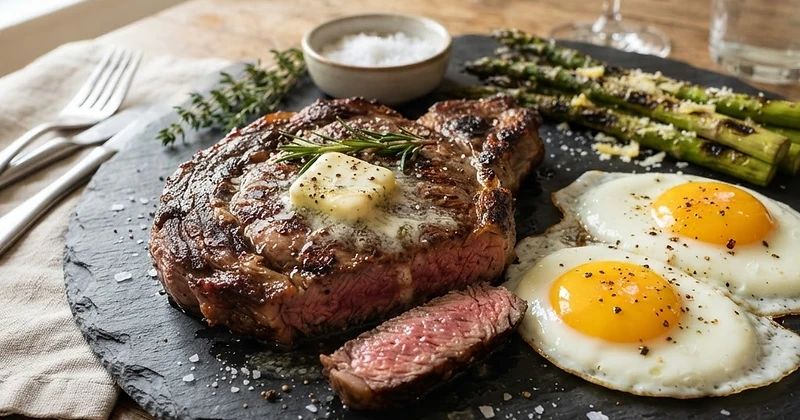
- Dinner: 12-16 oz pan-seared ribeye steak basted in tallow or butter.
Day 2
- Breakfast: Omelet made with 3 pastured eggs and shredded slow-cooked beef brisket or leftover steak.
- Lunch: Wild canned salmon or sardines mixed with soft-boiled eggs and a pinch of coarse sea salt.
- Dinner: Bone-in pork chops pan-fried in lard, served with warm beef bone broth.
Day 3
- Breakfast: 3 sunny-side-up eggs cooked in tallow alongside breakfast sausage patties (sugar-free).
- Lunch: 80/20 ground beef bowl with crumbled bacon and a pat of butter.
- Dinner: Grilled New York strip steak with sea salt and cold-water shrimp sauteed in butter.
Day 4
- Breakfast: 3 hard-boiled eggs and beef liver (1-2 oz seared briefly in butter) or burger patties.
- Lunch: Crispy chicken thighs (skin-on) cooked in duck fat or baked until golden.
- Dinner: Pan-seared wild-caught salmon fillet seasoned generously with sea salt and butter.
Day 5
- Breakfast: Scrambled eggs mixed with ground lamb or leftover beef.
- Lunch: Cold roast beef slices with a side of hard-boiled eggs.
- Dinner: Reverse-seared chuck roast or ribeye steak cooked to desired doneness.
Day 6
- Breakfast: 4 eggs fried in butter with bacon or sausage.
- Lunch: Tuna or canned mackerel packed in water, stirred with melted butter and egg yolks.
- Dinner: Ground beef patties topped with a fried egg and aged cheddar (optional).
Day 7
- Breakfast: Carnivore scramble: eggs, diced bacon, and ground beef.
- Lunch: Leftover roast, steak, or roasted chicken quarters.
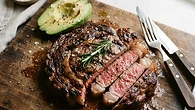
- Dinner: 14 oz pasture-raised ribeye steak or braised beef short ribs with mineral-rich bone broth.
What to Expect: Navigating the Adaptation Phase
Switching your primary cellular fuel from carbohydrates to fats requires metabolic recalibration. Knowing what to anticipate ensures you stick with the plan during the initial adjustment:
Days 1 to 4: Glycogen Depletion & Water Loss
As your carbohydrate stores drain, your body dumps stored water and sodium. You may notice rapid drops on the scale, but this can also bring fatigue, mild headaches, or brain fog, commonly termed the "keto flu" or "carnivore adaptation." Salt your food aggressively and supplement with basic electrolytes (magnesium and potassium) to neutralize these symptoms (Superpower Health Guide).
Days 5 to 10: Digestive Adjustment
Your gut microbiome undergoes a major overhaul when plant fiber is completely removed. It is common to experience changes in bowel frequency or consistency. Eating too much lean protein without enough fat can cause sluggish digestion, while consuming excess rendered liquid fat too quickly can cause loose stools. Moderate your liquid fat intake and lean toward solid fats like chilled butter or tallow until your gallbladder catches up.
Week 2 and Beyond: Steady Energy and Mental Clarity
Once keto-adapted, blood sugar spikes and crashes disappear. Expect steady all-day stamina, reduced joint stiffness, diminished cravings for sweets, and deeper sleep.
Practical Beginner Tips for Success
- Do Not Restrict Portions: Under-eating fat and protein is the number one beginner mistake. Eat until you are completely satisfied.
- Embrace Budget Staples: Eating carnivore does not require luxury cuts. 73/27 or 80/20 ground beef, whole chickens, and eggs offer premium nutrition at reasonable costs (PaleoPro 30-Day Food List).
- Listen to Your Body: If dairy causes bloating or congestion, drop cheese and cream immediately, keeping only pure butter or tallow.
Sources & References