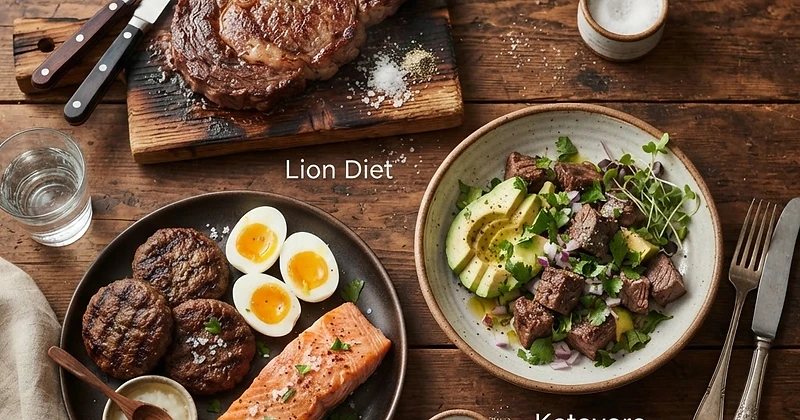
Unsure whether to choose Carnivore, Ketovore, or the Lion Diet? Explore our deep dive into these animal-based protocols, their benefits, food lists, and how to pick the right one.
We only share products we believe in. Buying through a link may earn us a small commission — thanks for the support. Learn more →
Animal-based nutrition has fundamentally shifted how people think about metabolic health, autoimmune relief, and gut healing. What was once seen as an extreme fringe approach is now recognized as a powerful tool to reset the digestive tract and regulate systemic inflammation. Yet within the meat-based community, terms like Lion Diet, Classic Carnivore, and Ketovore are often used interchangeably, creating confusion for newcomers.
While all three approaches emphasize animal fat and protein, they exist at distinctly different points along the dietary spectrum. Selecting the right protocol hinges on your personal goals—whether you are dealing with severe autoimmune triggers, pursuing sustainable fat loss, or searching for an accessible, low-carb lifestyle that supports daily performance. This comprehensive guide breaks down the nuances of each framework to help you make an informed decision.
The Animal-Based Spectrum Explained
Rather than treating these diets as rigid, opposing philosophies, it is best to view them as a spectrum of elimination. At one end lies the Lion Diet—the ultimate baseline protocol designed for targeted therapeutic intervention. In the middle rests the classic Carnivore Diet, offering a nutrient-dense approach across the entire animal kingdom. Toward the more flexible end sits Ketovore, a hybrid model combining the metabolic benefits of ketosis with animal-based eating.
1. The Lion Diet: The Ultimate Elimination Protocol
Popularized by Mikhaila Peterson, the Lion Diet represents the most restrictive elimination diet in modern clinical and lifestyle use. It strips human nutrition down to the bare essentials to eliminate nearly all potential dietary antigens.
- Core Foods: Ruminant meat exclusively (beef, lamb, bison, elk, venison, goat).
- Beverages & Seasonings: Water and non-iodized or unrefined salt only.
- Strictly Excluded: Poultry, pork, seafood, eggs, dairy, seasonings, black pepper, coffee, and all plant matter.
The core theory relies on the digestive biology of ruminants: multi-chambered stomachs effectively ferment and neutralize plant compounds, yielding a pristine fatty acid and nutrient profile that is virtually non-reactive in humans. The Lion Diet is typically used as a 30-to-90-day reset protocol to address severe chronic conditions like rheumatoid arthritis, severe psoriasis, refractory depression, and debilitating digestive disorders before systematically reintroducing other animal foods.
2. The Classic Carnivore Diet: Complete Animal-Kingdom Nutrition
The standard carnivore diet broadens the plate to encompass all animal foods while maintaining zero plant intake. It eliminates plant-based irritants like oxalates, lectins, and phytates while providing substantial culinary variety.
- Core Foods: Beef, lamb, pork, poultry, fish, shellfish, organ meats, and animal fats (tallow, lard, duck fat, ghee).
- Secondary Foods: Pasture-raised eggs and low-lactose, high-fat dairy (such as aged cheeses, butter, and heavy cream, depending on individual tolerance).
- Beverages & Seasonings: Salt, black pepper, mild herbs or spices (for some), plain water, sparkling water, and black coffee.
Classic carnivore works exceptionally well as a sustainable, long-term lifestyle. It promotes rapid fat adaptation, reduces visceral adiposity, resolves insulin resistance, and delivers high satiety without caloric tracking. Observational data has highlighted widespread health improvements across thousands of practitioners who follow this inclusive animal-based model.
3. The Ketovore Diet: The Hybrid Bridge
Ketovore combines the strict low-carbohydrate, high-fat principles of the ketogenic diet with the nutrient density of carnivore eating. It is predominantly animal-based (typically 80% to 95% of daily calories), with minimal, carefully selected low-toxin plant additions.
- Core Foods: Fatty cuts of meat, eggs, seafood, organ meats, and animal cooking fats.
- Permitted Additions: Low-toxicity plant items such as avocado, olives, cold-pressed olive or coconut oil, fresh herbs, lemon juice, and small amounts of fermented vegetables like sauerkraut.
- Excluded Foods: Grains, seed oils, refined sugars, high-carb fruits, and starchy tubers.
Ketovore offers a practical transition protocol for individuals who find standard carnivore socially or culinarily limiting, yet still want the anti-inflammatory and ketone-driven clarity of deep carbohydrate restriction.
Side-by-Side Comparison: Which Protocol Fits You?
| Feature | The Lion Diet | Carnivore Diet | Ketovore Diet |
|---|
| Food Variety | Ruminant meat, salt, water only | All meats, fish, eggs, optional dairy | Carnivore base + low-carb plant items |
| Primary Objective | Deep autoimmune & gut reset | Metabolic health, body composition | Long-term flexibility, sustainable ketosis |
| Elimination Depth | Maximum (Tier 1 baseline) | High (Zero plant antinutrients) | Moderate (Low plant antinutrients) |
| Dairy & Eggs | Strictly prohibited | Permitted (tolerance-dependent) | Permitted |
| Coffee & Teas | No | Often permitted (black) | Permitted |
| Typical Duration | 30 to 90 days (therapeutic) | Indefinite lifestyle | Indefinite lifestyle |
Determining Your Ideal Starting Point
Scenario A: Choose the Lion Diet if...
You battle persistent autoimmune flare-ups, severe fibromyalgia, chronic skin disorders (eczema or psoriasis), or debilitating idiopathic digestive issues that have failed to improve on keto or paleo diets. If you frequently react to common allergen foods like egg whites, casein, or histamines in pork and fish, the Lion Diet acts as a biological clean slate to re-establish your baseline.
Scenario B: Choose the Carnivore Diet if...
Your primary targets are metabolic health, insulin resistance reversal, visceral fat loss, lean muscle accretion, and freedom from cravings. If you do not display obvious immune responses to eggs, bacon, seafood, or butter, a full-spectrum carnivore lifestyle offers the best combination of nutritional completeness, culinary variety, and long-term sustainability.
Scenario C: Choose Ketovore if...
You desire the physical benefits of ketosis—such as sustained energy, reduced brain fog, and stable appetite—while retaining culinary flexibility for social meals and family gatherings. Ketovore serves as an effective stepping stone into pure carnivore, or a practical landing zone for carnivores seeking to reintroduce gentle, low-toxin plant elements.
How to Implement Your Protocol: Practical Next Steps
- Define Your Baseline: Assess your symptom load. If you have severe inflammation or suspect hidden food triggers, start strict with ruminant meats or standard beef-and-egg carnivore for 30 consecutive days.
- Prioritize Fat-to-Protein Ratios: On any animal-based protocol, fat is your primary energy substrate. Aim for roughly a 1:1 to 2:1 fat-to-protein ratio in grams (e.g., ribeye, 80/20 ground beef, lamb chops, beef tallow). Avoid overly lean cuts that lead to lethargy.
- Manage Electrolytes: When carbohydrates drop, insulin levels decline, causing your kidneys to release water and sodium rapidly. Liberally salt your food with high-quality salt and consider magnesium or potassium supplementation during the first two to four weeks.
- Execute Controlled Reintroductions: If you begin with the Lion Diet, do not rush food reintroductions. Add one specific animal food (such as pasture-raised egg yolks or wild salmon) every 4 to 7 days, closely monitoring energy, digestion, mood, and joint pain before introducing another.
Sources & References