Dairy on Ketovore: When to Keep It and When to Cut It Out
← All articles
Diet BasicsKetovore

Dairy on Ketovore: When to Keep It and When to Cut It Out

Wondering whether to include cheese, cream, and butter in your ketovore protocol? Here is an authoritative guide on how dairy impacts fat loss, gut health, and when it is time to cut it out.

By Editorial Team

We only share products we believe in. Buying through a link may earn us a small commission — thanks for the support. Learn more →

The ketovore lifestyle occupies a sweet spot between standard low-carb ketogenic eating and strict carnivore. By deriving 85% to 95% of your calories from animal sources while keeping carbohydrates exceptionally low, ketovore provides deep metabolic benefits, satiety, and anti-inflammatory results. However, few topics spark as much debate in low-carb circles as dairy on ketovore.

While dairy is undeniably an animal-derived food, it behaves very differently in the body than beef, eggs, or wild-caught fish. For some, rich cheeses and cultured butter make the lifestyle sustainable and enjoyable. For others, even a splash of heavy cream brings stubborn weight plateaus, joint stiffness, and digestive distress. Understanding how your body handles dairy is essential for tailoring your protocol.

The Biological Reality of Dairy: Fuel vs. Growth Formula

Mammalian milk evolved for a single biological purpose: to rapidly grow a newborn animal. Consequently, dairy carries a unique nutritional architecture containing lactose (milk sugar), casein, whey, and naturally occurring growth hormones. Even when fat is concentrated and sugars are drained, dairy retains bioactive properties that can influence your metabolism and immune system.

As documented in low-carb nutritional guides such as Diet Doctor's guide to keto and low-carb dairy, certain dairy items pack unexpected carbohydrate loads and trigger a disproportionately high insulin response compared to fat and meat alone.

When to Keep Dairy on Ketovore

Dairy does not need to be eliminated automatically. When tolerated well, quality dairy offers undeniable benefits for energy density and meal adherence:

  • Effortless Caloric Density: If you are highly active, lifting heavy, or struggling to maintain body weight on lean meats, healthy dairy fats like butter and heavy cream deliver easy, clean calories.
  • Micronutrient Density: Fermented and aged cheeses are packed with bioavailable calcium, phosphorus, vitamin K2 (menaquinone), and zinc.
  • Long-Term Dietary Adherence: Adding melted cheese over ground beef or whipping up eggs with grass-fed butter offers texture and flavor variety that keeps individuals from feeling restricted.

The Best Cheese for Ketovore

If you choose to include cheese, quality and fermentation matter. The best choices have virtually all lactose digested by bacteria during aging and contain minimal moisture.

1. Hard, Aged Cheeses (The Gold Standard)

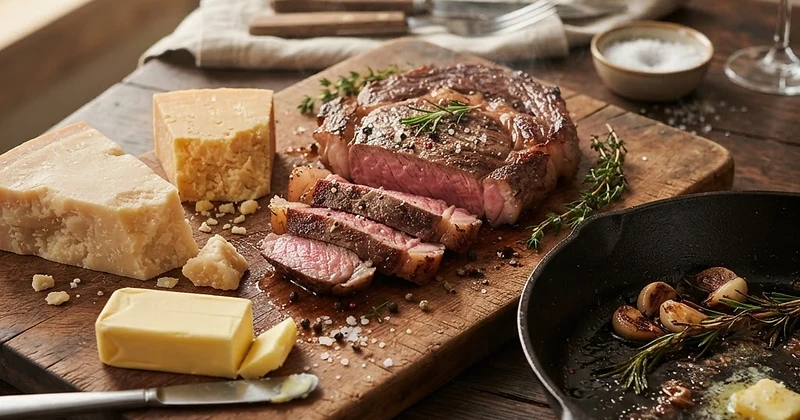
Aged cheeses like Parmigiano-Reggiano, Pecorino Romano, Manchego, and aged cheddar have virtually zero lactose. The aging process also breaks down complex proteins into easier-to-digest peptides. Pecorino and Manchego are typically made from sheep's milk, which is naturally A2-dominant and often easier on the gut.

2. Semi-Hard Cheeses

Cheeses such as Gouda, Gruyère, Havarti, and Swiss provide high fat, moderate protein, and negligible carbohydrates (typically under 1 gram per 100g serving).

3. Ghee and Grass-Fed Butter

While technically fats rather than cheese, ghee is clarified butter where the water, lactose, and casein solids have been completely cooked out. Ghee is almost universally tolerated, even by people with pronounced dairy issues.


Join the Community

Create your free account to access personalized targets, daily tracking, and lifestyle guidance tailored to your diet path.

Sign Up Free

Dairy Products to Avoid

Avoid liquid milk, half-and-half, sweetened yogurts, and highly processed cheeses like American singles. Furthermore, soft cheeses like ricotta and cottage cheese, along with commercial cream cheese, carry between 3 to 7 grams of net carbs per serving and can quickly kick you out of ketosis if eaten without strict portion control.

When to Cut Dairy Out

Many individuals unknowingly suffer from dairy sensitivity on carnivore or ketovore protocols. If you experience any of the following symptoms, it is time to experiment with cutting dairy out:

1. Stubborn Weight Loss Plateaus

Dairy is hyper-palatable. It is remarkably easy to consume 600 calories of cheese or heavy cream after you are already physically full. Moreover, whey and certain dairy proteins are insulinogenic, meaning they trigger an insulin spike that can hinder lipolysis (fat burning), even when blood glucose remains flat.

2. Digestive Discomfort

Gas, post-meal bloating, cramping, or sudden loose stools are telltale signs of intolerance. As physicians like Dr. Ken Berry highlight in clinical observations on dairy, adult lactose intolerance is extraordinarily common. If your gut feels inflamed or distended after meals, dairy is the primary suspect.

3. Skin Flare-Ups and Acne

The insulin-like growth factor (IGF-1) present in cow's milk can stimulate sebum production and systemic inflammation, leading to cystic acne, blackheads, or eczema patches on the skin.

4. Joint Pain and Autoimmune Inflammation

A1 beta-casein, found in the milk of most Western Holstein and Friesian dairy cows, releases a peptide called beta-casomorphin-7 (BCM-7) during digestion. BCM-7 has been shown to irritate the gut lining and activate inflammatory immune responses in sensitive people, presenting as joint aches and sinus congestion.

The 30-Day Dairy Elimination Protocol

The most effective way to test your tolerance is a structured elimination test:

  1. Total Elimination (30 Days): Strip all dairy from your diet for four weeks. This includes cheese, cream, yogurt, sour cream, and butter. Cook strictly with tallow, duck fat, or lard.
  2. Assess Your Baseline: Note changes in your waistline, scale weight, skin clarity, digestion, and energy levels. Many people find their cravings vanish and abdominal bloating disappears within 7 to 10 days.
  3. Systematic Reintroduction: Reintroduce one form of dairy at a time, spaced 72 hours apart. Start with pure ghee. If no reaction occurs, test grass-fed butter. Next, test aged sheep/goat milk cheese (A2 casein). Finally, test conventional aged cheddar or heavy cream.

If a product causes joint pain, skin breakouts, or stalled fat loss, you have your answer: cut it out permanently or reserve it for rare occasions.

Sources & References

Sources & References

Join the Community

Create your free account to access personalized targets, daily tracking, and lifestyle guidance tailored to your diet path.

Sign Up Free

We use cookies and similar technologies to operate the site and improve your experience. By continuing, you agree to our use of non-essential cookies. See our Privacy Policy.