Discover the truth behind high protein, beef and insulin response, and whether gluconeogenesis causes blood sugar spikes on an all-meat Lion Diet.
We only share products we believe in. Buying through a link may earn us a small commission — thanks for the support. Learn more →
When transitioning to the Lion Diet—an elimination regimen strictly centered around ruminant meat, salt, and water—many practitioners confront a persistent myth inherited from the standard ketogenic community: "Eating too much protein turns into chocolate cake in your bloodstream."
This anxiety leads many to fear that consuming large portions of ribeye or ground beef will trigger gluconeogenesis, send blood sugar skyrocketing, spike insulin, and sabotage metabolic healing. But does protein cause insulin spike lion diet practitioners need to worry about? Or have we fundamentally misunderstood how hepatic glucose production, beef, and endocrine signaling function in a zero-carbohydrate environment?
In this guide, we resolve the gluconeogenesis debate, examine the actual biology behind beef and insulin response, unpack gluconeogenesis insulin resistance carnivore dynamics, and define the optimal fat to protein ratio lion diet adherents require to maximize metabolic health.
The Core Controversy: Is Gluconeogenesis Demand-Driven or Supply-Driven?
To understand whether excess beef spikes insulin, we must first break down gluconeogenesis (GNG). Gluconeogenesis is the metabolic pathway through which the liver (and to a lesser degree the kidneys) creates glucose from non-carbohydrate precursors, such as glucogenic amino acids, lactate, and glycerol.
The "Supply-Driven" Fallacy
The conventional keto-sphere historically argued that gluconeogenesis is primarily substrate-driven (supply-driven). Under this theory, if you consume more amino acids than your body immediately requires for tissue repair and enzyme synthesis, the liver allegedly converts those amino acids directly into glucose, elevating systemic blood sugar and provoking an insulin surge.
The Reality: GNG Is a Demand-Driven Process
Extensive biochemical evaluations—including investigations published in the American Journal of Clinical Nutrition—demonstrate that hepatic glucose production does not fluctuate dramatically based merely on surplus protein intake. In metabolically adapted individuals, gluconeogenesis occurs at a relatively stable, regulated baseline driven primarily by bodily demand, not substrate availability.
Certain cells (such as red blood cells, parts of the brain, and the renal medulla) lack mitochondria or require glucose to operate. In the absence of dietary carbohydrates, your liver manufactures exactly what these tissues require to maintain stable basal blood sugar levels—nothing more, nothing less. Surplus amino acids that are not utilized for structural synthesis or minimal demand-driven glucose production are broken down through deamination and oxidized as cellular fuel (ATP) or converted into urea and excreted.
Beef and Insulin Response: Understanding the Glucagon Counter-Regulation
Does dietary protein stimulate insulin secretion? Yes. All whole-food protein triggers a release of insulin from the beta cells of the pancreas. However, evaluating the beef and insulin response through the lens of a carbohydrate-heavy diet produces misleading conclusions.
The Insulin-to-Glucagon Ratio
When you consume dietary carbohydrates, insulin surges while glucagon (the hormone responsible for mobilizing stored energy) drops precipitously. This high insulin-to-glucagon ratio tells your body: store energy, shut down fat burning, clear glucose from circulation.
When you consume a zero-carb ruminant meal on the Lion Diet, a markedly different physiological response unfolds:
- Biphasic Hormone Secretion: Dietary protein triggers the secretion of both insulin and glucagon simultaneously.
- Glucagon Prevents Hypoglycemia: If insulin rose in isolation after consuming a ribeye steak, your blood glucose would drop precipitously, resulting in symptomatic hypoglycemia. Glucagon counteracts insulin by signaling the liver to release just enough glucose to keep blood sugar stable.
- Sustained Lipolysis: Because glucagon levels remain elevated alongside modest insulin secretion, systemic fatty acid oxidation (ketosis and fat burning) is maintained rather than halted.
Gluconeogenesis, Insulin Resistance, and the Carnivore Diet
While healthy individuals experience smooth glucose homeostasis on ruminant meat, nuances arise when discussing gluconeogenesis insulin resistance carnivore contexts. Research into the Carnivore Connection Hypothesis highlights evolutionary mechanisms linking low-carbohydrate consumption and hepatic glucose dynamics.
Hepatic Insulin Resistance in the Early Stages
In individuals with established Type 2 diabetes or severe metabolic syndrome, the liver's feedback loop is temporarily broken. Normally, insulin signals the liver to suppress gluconeogenesis. In an individual with profound hepatic insulin resistance, the liver ignores this inhibitory signal and continues outputting endogenous glucose even after a protein-dense meal.
For these individuals, eating a massive bolus of very lean meat can indeed reveal higher postprandial glucose levels on a continuous glucose monitor (CGM). This is not because protein magically transforms into sugar uncontrollably; it occurs because their basal hepatic glucose output is dysregulated.
Physiological Insulin Resistance (Adaptive Glucose Sparing)
Long-term Lion Diet practitioners occasionally notice slightly elevated fasting blood glucose levels (e.g., 95–105 mg/dL) alongside very low fasting insulin (sub-5 µIU/mL). This phenomenon is not pathological insulin resistance; it is adaptive glucose sparing (also called physiological insulin resistance).
Because your skeletal muscles are fully adapted to burning fatty acids and ketones for fuel, they become selectively resistant to glucose uptake, preserving whatever minimal glucose your liver manufactures for the central nervous system and red blood cells. In this state, your postprandial insulin response remains low and efficient.
The Critical Lever: Fat to Protein Ratio on the Lion Diet
If you want to optimize your metabolic response, prevent sluggish digestion, and avoid unnecessary glucagon-insulin tugs-of-war, dialing in your fat to protein ratio lion diet protocol is essential.
Why Lean Meat Alone Fails: The Danger of "Rabbit Starvation"
Consuming an exclusively lean animal diet (such as 93/7 ground beef, skinless chicken breasts, or sirloin steaks stripped of fat) forces the body to rely entirely on protein for fuel. The human liver has a physiological ceiling on urea synthesis—typically around 35% to 40% of total daily caloric intake. Exceeding this boundary without dietary fat or carbohydrates can induce hyperammonemia, nausea, fatigue, and intense cravings, historically referred to as protein poisoning or "rabbit starvation."
Target Macro Guidelines for Ruminant Eating
To ensure steady endocrine balance and sustained ketone production on the Lion Diet, focus on obtaining the majority of your caloric energy from animal fat:
- Caloric Ratio: Target roughly 70% to 80% of calories from fat and 20% to 30% from protein.
- Gram-for-Gram Rule of Thumb: Because dietary fat contains 9 calories per gram and protein contains 4 calories per gram, eating approximately a 1:1 to 1.5:1 ratio of fat to protein in grams yields this ideal metabolic zone.
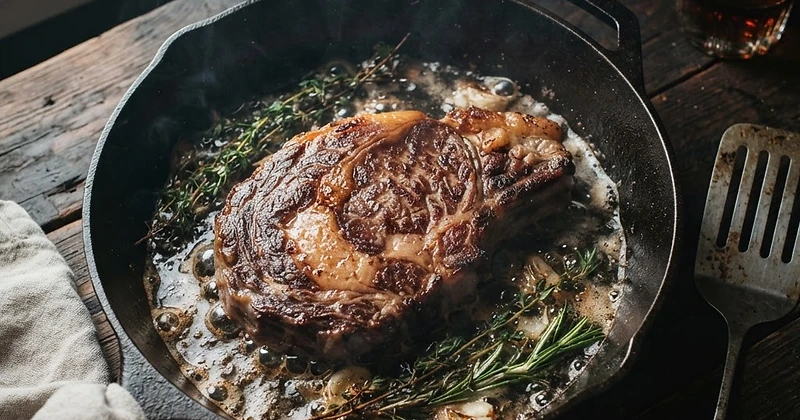
- Meat Selection: Opt for untrimmed 80/20 or 73/27 ground beef, fatty ribeye steaks, short ribs, beef brisket, lamb chops, and render beef suet or tallow over leaner cuts.
Practical Next Steps: How to Optimize Your Lion Diet Protocol
- Stop Fearing Beef Protein: Unless you have end-stage uncontrolled diabetes, protein will not convert into sugar in a runaway fashion. Eat until comfortably stuffed; your body’s satiety signaling will naturally regulate intake.
- Track Symptoms, Not Just Short-Term Glucose: If wearing a continuous glucose monitor (CGM), look for overall glycemic variability rather than micro-blips after eating. A healthy carnivore baseline is characterized by a flat, stable line without high peaks or precipitous drops.
- Pair Lean Cuts with Pure Ruminant Fat: If you are eating leaner cuts like chuck roast or flank steak, add extra cold tallow or salted beef trim to hit your required fat ratios.
- Monitor Fasting Biomarkers: To evaluate real metabolic improvement, check your fasting insulin and HbA1c every 3–6 months. In true metabolic healing, fasting insulin consistently trends downward, even on a high-protein carnivore approach.
Sources & References
- Brand-Miller, J., et al. (2012). The Carnivore Connection Hypothesis: Revisited. Journal of Obesity / PMC. https://pmc.ncbi.nlm.nih.gov/articles/PMC3253466/
- Veldhorst, M. A., et al. (2009). Gluconeogenesis and energy expenditure after a high-protein, carbohydrate-free diet. The American Journal of Clinical Nutrition. https://ajcn.nutrition.org/article/S0002-9165(23)26539-9/fulltext
- Bilsborough, K. S., & Mann, N. (2006). A review of issues of dietary protein intake in humans. International Journal of Sport Nutrition and Exercise Metabolism.
- Mabry, P. (Clinical Discussions). Gluconeogenesis, Insulin Resistance, and Hepatic Substrate Regulation.