Discover why eating lean meat on carnivore causes fatigue, rabbit starvation, and hormonal slowdowns—and how dialing in your fat-to-protein ratio restores boundless energy.
We only share products we believe in. Buying through a link may earn us a small commission — thanks for the support. Learn more →
When transitioning from a standard Western diet to a zero-carb, animal-based lifestyle, most people bring along decades of nutritional baggage. Chief among these misconceptions is the reflexive urge to choose lean cuts of meat: skinless chicken breasts, eye of round, trimmed sirloin, and 95/5 lean ground beef.
In the carnivore world, however, eating too lean is the fastest path to metabolic failure. If you are experiencing brain fog, insatiable cravings, sluggish digestion, or an afternoon carnivore energy crash, the issue is almost certainly not a lack of carbohydrates—it is an improperly tuned carnivore diet fat to protein ratio.
The Core Biological Problem: Protein Is Building Material, Fat Is Fuel
On a carnivore diet, dietary carbohydrates drop to near zero. Your metabolism is forced to pivot from running on glucose to relying almost exclusively on fatty acids and ketone bodies for cellular energy. But when you fill your plate with skinless chicken or lean steak, you are attempting to run your metabolic engine without fuel.
Protein serves structural functions: synthesizing enzymes, building muscle fibers, repairing connective tissue, and regulating hormones. While the liver can synthesize glucose from amino acids via gluconeogenesis, this process is an on-demand survival mechanism—it is metabolically demanding, rate-limited, and not designed to serve as your body's primary ATP production pathway.
The Trap of "Rabbit Starvation" and Protein Toxicity
Human liver and kidney systems have a physiological ceiling on how much protein they can safely metabolize daily (typically around 35–45% of total caloric intake). Exceeding this limit without sufficient fat or carbohydrate causes a condition historically known as mal de caribou or "rabbit starvation"—first documented by arctic explorers who survived entirely on very lean wild game.
When you overload on protein without fat, your liver produces excess urea and ammonia, leaving you feeling nauseated, fatigued, dizzy, and hollowly hungry regardless of how much you eat. As highlighted by research from Dr. Robert Kiltz, our modern bias toward hyper-lean muscle meat is a mid-twentieth-century aberration that runs completely counter to human evolutionary biology.
The Ideal Carnivore Diet Fat to Protein Ratio
When calculating your carnivore intake, remember that dietary ratios are typically measured in one of two ways: by caloric percentage or by weight in grams.
- By Calories: Most thriving carnivores obtain between 65% to 80% of total calories from fat, with the remainder from protein.
- By Weight (Grams): Because fat contains 9 calories per gram while protein contains only 4, a 1:1 ratio by weight (1 gram of fat for every 1 gram of protein) translates to roughly 70% of calories from fat.
For individuals with autoimmune symptoms, severe metabolic resistance, or high athletic demands, moving toward a 1.5:1 or 2:1 fat-to-protein ratio by weight (around 75% to 82% of calories from fat, akin to the Paleolithic Ketogenic protocol) often resolves stubborn fatigue and joint inflammation.
The Warning Signs of Eating Too Lean on Carnivore
How do you know if you are failing to hit your target fat intake? Pay close attention to these clinical indicators:
- Persistent Carnivore Energy Crashes: Hitting a wall around 2:00 PM, struggling to wake up, or feeling physical weakness during light workouts typically signals that your body is starved of circulating ketones and free fatty acids.
- The "Never-Full" Sensation: Finishing a 16-ounce chicken breast or round steak and still feeling an empty, gnawing urge to eat. Fat triggers cholecystokinin (CCK) and peptide YY, the master hormones of satiety.
- Constipation and Hard Stools: Dietary fat lubricates the intestinal tract. Without adequate fat, bowel transit slows significantly.
- Cold Intolerance and Thyroid Downregulation: Chronically under-eating fat causes a drop in active thyroid hormone (T3) conversion, leading to cold hands, dry skin, and a suppressed metabolic rate.
Best Fatty Cuts of Meat for Carnivore Longevity
Achieving hormonal balance and clean, sustained energy requires deliberate grocery shopping. Prioritize the fattiest cuts available and treat lean cuts merely as a vehicle for added animal lipids.
1. Ribeye Steak and Chuck Eye
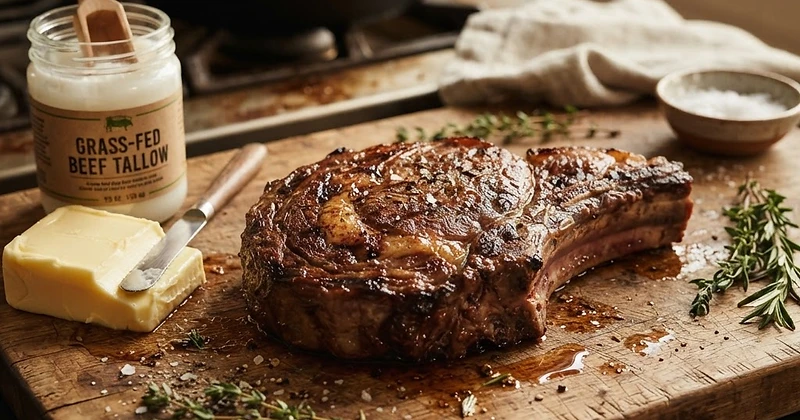
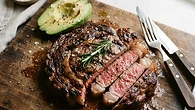
Ribeye is widely considered the king of carnivore cuts. With a natural fat-to-protein ratio of roughly 1:1 by weight, ribeye provides near-perfect nutritional symmetry straight off the skillet. Chuck eye and chuck roasts are budget-friendly alternatives with comparable marbling.
2. 80/20 or 70/30 Ground Beef
Ground beef represents the most accessible fat dial in your diet. According to USDA nutritional data analyzed in CarnivOS's beef cut ratio guide, standard 80/20 ground beef provides roughly 20g of fat to 17g of protein per 100g serving, naturally exceeding the 1:1 ratio. 70/30 ground beef pushes the ratio even higher (roughly 2:1 by weight), making it ideal for combating energy dips.
3. Short Ribs and Brisket
Slow-braised or smoked beef short ribs and well-marbled brisket point cuts deliver exceptionally rich fat profiles. The connective tissue and gelatin also support gut healing and joint health.
4. Pork Belly, Bacon, and Lamb Shoulder
Do not restrict yourself strictly to beef. Ruminant lamb shoulder, fatty lamb chops, pasture-raised pork belly, and thick-cut pork chops provide rich fatty acid profiles that keep your energy levels steady throughout the day.
How to Fix a Deficit: Actionable Steps for Low Energy
If you suspect you have been under-fueling with lean meats, use these practical steps to correct your macros immediately:
- Stop Pouring Out Cooking Tallow: When pan-searing ground beef or ribeye, pour the rendered fat back over the sliced meat or dip each bite into it.
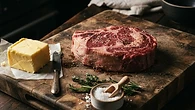
- Add Raw Butter or Tallow: Top hot steaks with generous tabs of cold grass-fed butter, ghee, or rendered beef tallow. A single tablespoon of butter adds approximately 12 grams of pure fat.
- Avoid Skinless Poultry: If you choose poultry or lean game, keep the skin on, pan-fry it in duck fat, or pair it with four scrambled pasture-raised egg yolks cooked in butter.
- Eat Until Satiated, Not Measured: Stop counting lean protein grams on rigid fitness trackers. Focus on eating fatty cuts until the fat stops tasting delicious; your innate satiety signals will handle the rest.
Sources & References