Fatty Liver and Insulin Resistance: How a 30-Day Lion Diet Reset Clears Hepatic Fat
← All articles
Insulin ResistanceLion

Fatty Liver and Insulin Resistance: How a 30-Day Lion Diet Reset Clears Hepatic Fat

Discover how the strict Lion Diet—eating only ruminant meat, salt, and water—targets insulin resistance, halts de novo lipogenesis, and helps eliminate hepatic fat in 30 days.

By Editorial Team

We only share products we believe in. Buying through a link may earn us a small commission — thanks for the support. Learn more →

Non-Alcoholic Fatty Liver Disease (NAFLD)—increasingly referred to clinically as Metabolic Dysfunction-Associated Steatotic Liver Disease (MASLD)—has quietly surged into an epidemic. Millions of individuals are diagnosed each year, often alongside stubborn abdominal weight gain, prediabetes, and creeping triglycerides. Traditional dietary guidance frequently urges patients to limit dietary fat and consume whole grains; however, modern metabolic biochemistry tells a fundamentally different story.

At its core, hepatic steatosis is not an excess storage problem caused by dietary animal fat. Rather, it is a metabolic disorder driven primarily by hyperinsulinemia and the continuous influx of fermentable carbohydrates and fructose. For individuals struggling to reverse this cycle, a 30-day Lion Diet reset—consisting strictly of ruminant meat, water, and salt—serves as an intensive intervention. By systematically eliminating hepatic stress, targeting insulin resistance, and reversing de novo lipogenesis, this minimalist approach helps clear visceral and hepatic fat at the source.

The Biological Root: How Insulin Resistance Drives Fatty Liver

To reverse fatty liver, one must understand how fat gets deposited inside liver tissue in the first place. Medical research consistently indicates that the role of insulin resistance is central to NAFLD pathogenesis. As documented by the American Diabetes Association, systemic insulin resistance initiates a dangerous cascade of glucotoxicity and lipotoxicity.

When high-carbohydrate meals and dietary sugars—especially industrial high-fructose corn syrup—are consumed regularly, circulating insulin spikes to shunt glucose out of the bloodstream. Over time, receptors in skeletal muscle and adipose tissue downregulate their responsiveness. In an attempt to compensate, the pancreas secretes even greater quantities of insulin.

The Dual Drivers: De Novo Lipogenesis and Adipose Spillover

Chronic hyperinsulinemia harms hepatic health via two major pathways:

  • De Novo Lipogenesis (DNL): Chronic high insulin signals the liver that energy is constantly abundant. Hepatic enzymes convert excess glucose and fructose directly into new triglycerides through DNL. Fructose is especially potent here because it bypasses normal cellular regulation, metabolizing almost exclusively in hepatocytes much like alcohol.
  • Unchecked Lipolysis: Under healthy conditions, insulin suppresses lipolysis (the breakdown of stored fat). In an insulin-resistant state, peripheral fat cells fail to respond to insulin's braking mechanism, releasing a relentless flood of free fatty acids directly into portal circulation, forcing the liver to accumulate ectopic fat.

Why Conventional Low-Fat Advice Often Backfires

Mainstream interventions historically recommended restricting saturated fat while emphasizing complex carbohydrates, whole grains, and lean proteins. However, clinical observations reveal that substituting fat with starches rarely resolves severe hyperinsulinemia. Even complex carbohydrates break down into simple glucose, maintaining elevated postprandial insulin spikes that keep hepatic lipogenesis active.

Furthermore, many commercial plant-based approaches unintentionally retain high amounts of inflammatory compounds, antinutrients (such as lectins and oxalates), and hidden sugars. While institutions like the Mayo Clinic highlight that standard institutional guidelines caution against eliminating food groups, thousands of patients with severe metabolic syndrome find that total dietary simplification produces results that moderate restriction cannot replicate.

The Mechanics of a 30-Day Lion Diet Reset

The Lion Diet is an uncompromising subset of the carnivore paradigm. It removes all poultry, pork, seafood, eggs, dairy, seasonings, and plant matter. The protocol strictly entails:

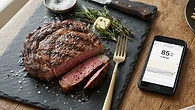
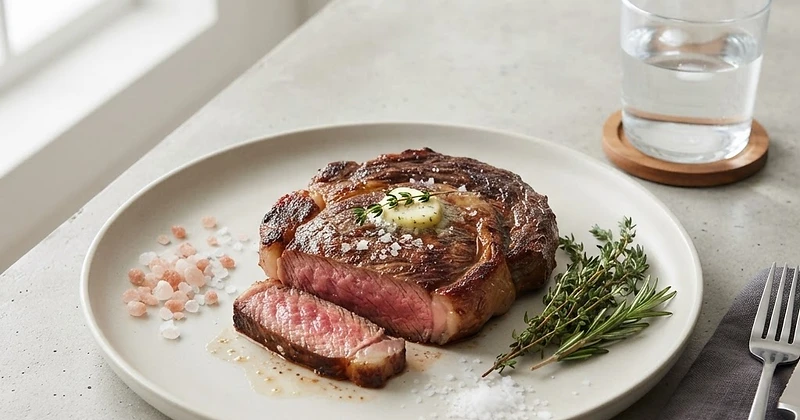
  1. Ruminant meat only: Primarily beef, bison, lamb, mutton, goat, elk, and deer.
  2. Water: Filtered, clean hydration without artificial sweeteners or flavorings.
  3. Salt: High-quality unrefined sodium chloride (such as Redmond Real Salt or sea salt) to taste.

Why Ruminant Meat for Metabolic Health?

Ruminant animals possess a specialized digestive tract that ferments plant fiber into healthy saturated and monounsaturated fatty acids. As a result, beef and lamb have a stable fatty acid profile minimal in unstable polyunsaturated linoleic acid. Furthermore, ruminants provide unmatched nutrient density, delivering bioavailable zinc, iron, B-vitamins, carnitine, and choline—a micronutrient critical for exporting triglycerides from hepatic cells via very-low-density lipoproteins (VLDL).


Join the Community

Create your free account to access personalized targets, daily tracking, and lifestyle guidance tailored to your diet path.

Sign Up Free

How the Lion Diet Clears Hepatic Fat in 30 Days

1. Complete Suppression of De Novo Lipogenesis

With zero dietary carbohydrates and total absence of fructose, carbohydrate-driven hepatic lipogenesis drops to baseline almost immediately. The liver stops synthesizing new fatty molecules and switches its primary engine from glucose processing to fat oxidation.

2. Reversal of Hyperinsulinemia

Protein ingestion prompts an appropriate glucagon response alongside a moderate insulin release, establishing a balanced glucagon-to-insulin ratio. This metabolic environment signals hepatocytes to enter a fat-mobilizing mode. As baseline fasting insulin drops, peripheral tissues steadily regain insulin sensitivity, reducing the toxic spillover of free fatty acids into the liver.

3. Accelerated Ketogenesis and Hepatic Autophagy

Within days of eating exclusively ruminant meat and fats, hepatic glycogen stores empty. To supply alternative energy to tissues like the brain and heart, the liver oxidizes both incoming dietary fats and internal fat droplets to generate beta-hydroxybutyrate and acetoacetate. By requiring the liver to generate ketones continuously, the body uses hepatic steatosis as an immediate fuel reserve, rapidly decreasing intrahepatic lipid deposits.

4. Direct Visceral Fat Reduction

Unlike subcutaneous fat, deep visceral adipose tissue is biologically volatile and quick to respond to insulin changes. The sustained anti-inflammatory and non-glycemic nature of the Lion Diet triggers profound visceral fat reduction, decompressing the portal vein and reducing systemic systemic inflammation.

Implementing the 30-Day Reset: A Practical Guide

Executing a 30-day reset requires discipline, preparation, and careful attention to hydration and electrolytes:

  • Select Your Fuel: Opt for high-fat cuts of ruminant meat such as ribeyes, 80/20 or 75/25 ground beef, lamb chops, chuck roast, and beef short ribs. Consuming sufficient fat is mandatory; eating overly lean meat on a zero-carb protocol leads to lethargy and elevated gluconeogenesis.
  • Manage Electrolytes: As insulin falls, the kidneys release stored sodium and water. Generously salt your food to prevent the "keto flu" or carnivore adaptation fatigue. Ensure adequate mineralized water intake throughout the day.
  • Eat to Satiety: Do not count calories. Eat until fully satisfied whenever hunger occurs. Most individuals find their appetite naturally regulates to two substantial meals per day without conscious restriction.
  • Eliminate Hidden Triggers: Avoid marinades, sauces, black pepper, garlic powder, and dairy. Even seemingly harmless dairy proteins like casein and whey can elicit insulin responses that interfere with hepatic clearance.

Tracking Your Hepatic Turnaround

Before launching a 30-day Lion Diet reset, work with your physician to obtain baseline blood work and re-evaluate at the conclusion of the protocol. Key markers to track include:

  • ALT and AST: Alanine aminotransferase and aspartate aminotransferase are standard proxies for liver inflammation and cell damage. A significant reduction often indicates decreasing hepatic stress.
  • Fasting Insulin and HOMA-IR: Fasting insulin drops sharply once carbohydrate intake is eliminated, dramatically improving your HOMA-IR (Homeostatic Model Assessment for Insulin Resistance) score.
  • Triglyceride-to-HDL Ratio: A plummeting triglyceride level paired with steady or rising HDL is a direct indicator of improved metabolic flexibility and vascular health.
  • Abdominal Ultrasound or FibroScan: Imaging before and after extended protocols can confirm physical reduction of hepatic steatosis.

The Takeaway

Hepatic fat accumulation is not a lifelong, irreversible sentence; it is a direct consequence of chronic dietary stress and unrelenting hyperinsulinemia. By removing all plant toxins, processed vegetable oils, refined sugars, and fermentable carbohydrates, the 30-day Lion Diet reset creates an ideal metabolic environment for the liver to heal. By tapping into nutrient-dense ruminant meat, hydration, and salt, you give your liver the biological space it needs to metabolize trapped hepatic lipid stores, reverse insulin resistance, and rebuild metabolic strength.

Sources & References

Join the Community

Create your free account to access personalized targets, daily tracking, and lifestyle guidance tailored to your diet path.

Sign Up Free

We use cookies and similar technologies to operate the site and improve your experience. By continuing, you agree to our use of non-essential cookies. See our Privacy Policy.