Struggling with flushing, bloating, or fatigue on beef, salt, and water? Discover why histamine intolerance strikes on the Lion Diet, how to source genuinely unaged beef, and low-histamine cooking techniques.
We only share products we believe in. Buying through a link may earn us a small commission — thanks for the support. Learn more →
The Lion Diet—a strict elimination protocol consisting strictly of ruminant meat, salt, and water—is widely recognized for helping people quiet severe autoimmune flares, resolve stubborn dysbiosis, and calm systemic inflammation. Yet, a subset of people embark on this journey only to experience paradoxical reactions: skin flushing, rapid heart rate, brain fog, sudden headaches, nasal congestion, or relentless gastrointestinal distress such as diarrhea and bloating.
If you are reacting negatively to plain beef, salt, and water, you are not failing the diet. Instead, you are likely encountering lion diet histamine intolerance or underlying Mast Cell Activation Syndrome (MCAS). Understanding how dietary biogenic amines accumulate—and knowing how to source unaged beef carnivore cuts—is essential to making this therapeutic elimination diet work for you.
Understanding Histamine Intolerance and MCAS on the Lion Diet
Histamine is a biogenic amine produced endogenously by your mast cells as part of your immune response, but it is also present in varying levels in food. In a healthy gut, an enzyme called diamine oxidase (DAO) breaks down dietary histamine before it can enter the bloodstream. However, when the gut lining is compromised by severe dysbiosis, SIBO, or chronic inflammation, DAO production plummets.
When individuals transition to a carnivore framework to heal these issues, they often rely heavily on supermarket beef. While fresh ruminant meat naturally starts low in biogenic amines, standard commercial practices inadvertently turn it into a high-histamine food.
Think of your body's histamine capacity as a barrel. If your gut lining is inflamed, your DAO enzyme production is impaired, leaving your baseline capacity low. When you consume meat that has accumulated biogenic amines, your "histamine barrel" overflows, precipitating acute symptoms:
- Dermatological: Hives, pruritus (itching), flushing, or unexplained rashes.
- Gastrointestinal: Persistent bloating, immediate diarrhea, acid reflux, or abdominal cramping.
- Neurological: Migraines, dizziness, brain fog, insomnia, or sudden fatigue.
- Cardiovascular/Respiratory: Heart palpitations, blood pressure swings, postprandial tachycardia, and sinus congestion.
When someone is managing beef salt water MCAS dynamics, the mast cells themselves are hypersensitive, reacting not only to the histamine load in the food but also to environmental triggers and food preparation methods.
The Culprit: Aged Beef vs. Unaged Beef
Almost all beef sold in modern grocery stores, specialty butcher shops, and standard online subscription boxes is aged. Aging is standard industry practice because it tenderizes muscle fibers and develops deep, savory flavor profiles:
- Dry-aging: Whole carcasses or primal cuts are hung in temperature- and humidity-controlled lockers for 14 to 45 days.
- Wet-aging: Beef is vacuum-sealed in plastic and allowed to sit in its own juices during cold transit and storage for several weeks.
While benign for a robust metabolism, aging allows naturally occurring ambient bacteria to decarboxylate the amino acid histidine into histamine. The longer meat hangs or sits in plastic packaging, the higher the histamine concentration climbs. To clear symptoms, sensitive individuals must secure low histamine meat that bypasses this hanging and aging window entirely.
How to Source Truly Unaged Beef
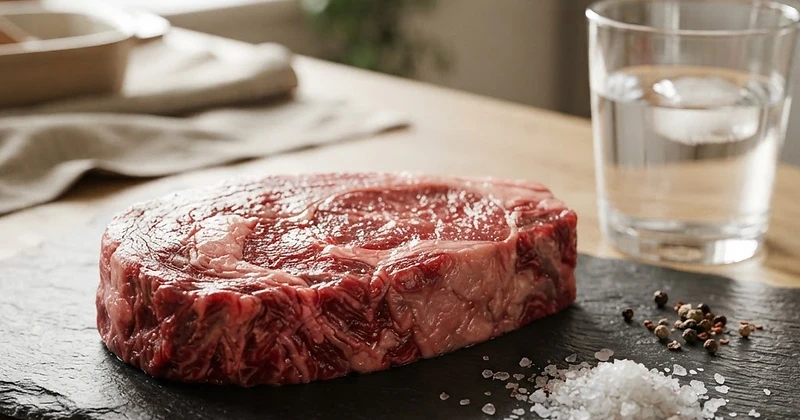
Finding genuine unaged beef requires deliberate sourcing, as conventional butcher counters routinely hang sides of beef for at least 7 to 14 days before cutting.
1. Dedicated Online Ranches and Purveyors
Several specialty producers cater specifically to people dealing with histamine intolerance and MCAS by processing, vacuum-sealing, and flash-freezing cuts immediately post-slaughter:
- White Oak Pastures: Offers a dedicated line of unaged, grass-fed beef that is processed quickly and blast-frozen to inhibit biogenic amine development.
- Northstar Bison: Specializes in low-histamine meats, including unaged bison and beef. Their flash-frozen single-grind meats have tested negligible for histamine content.
- BetterFed Beef: Provides certified unaged grain-finished beef cuts specifically frozen post-harvest for histamine-sensitive eaters.
- International Options: Seekers in the UK and Europe can turn to purveyors like Green Pasture Farms and Pheasants Hill Farm, both of which provide custom low-histamine beef boxes.
2. Sourcing Directly from Local Processors
If you prefer buying locally, contact small, independent custom slaughterhouses or local cattle ranchers. Ask the following questions directly to the head butcher:
- "Can you cut and vacuum-seal my beef within 24 to 48 hours of harvest without hanging the carcass?"
- "Can you flash-freeze the cuts immediately after processing?"
- "Are your grinding machines thoroughly sanitized between runs to prevent cross-contamination from aged cuts?"
3. Re-evaluating Ground Meat and Organ Sourcing
Ground beef represents the highest surface area exposed to oxygen and bacterial action. Standard store-bought ground beef is often blended from trimmings of multiple aged carcasses, making it a common trigger. If you tolerate whole unaged roasts and steaks, consider grinding your own meat at home using a clean, chilled meat grinder just prior to cooking.
Low-Histamine Cooking and Meat Handling Rules
Acquiring unaged ruminant meat is only the first step. Kitchen habits dictate whether those cuts stay low-histamine by the time they reach your plate.
1. Rapid Thawing Only
Never thaw meat slowly on the counter or even in the refrigerator over several days. Histamine builds up continuously during slow defrosting. Instead, keep meat frozen until right before cooking, or place vacuum-sealed cuts in a cold-water bath for 20 to 30 minutes to thaw rapidly before placing them straight into the heat.
2. Choose Gentle, Moist Heat Over High Char
Studies exploring cooking methods note that intense frying, deep charring, and lengthy outdoor grilling can elevate inflammatory compounds and provoke reactive mast cells. The most reliable low-histamine cooking methods include:
- Pressure Cooking (Instant Pot): Cooking directly from frozen under high pressure traps moisture and prepares cuts rapidly, minimizing microbial proliferation.
- Gentle Boiling, Poaching, or Steaming: Wet cooking methods minimize the formation of advanced glycation end-products and keep amine generation low.
- Baking at Moderate Heat: Roasting thawed cuts quickly at moderate temperatures without heavy crusting or burning.
3. The "Zero Leftovers" Rule
Cooked meat left in the refrigerator accumulates biogenic amines rapidly. Never eat day-old refrigerated beef leftovers. If you cook in bulk, portion the hot meat immediately into individual glass containers and move them straight to the freezer once cooled. Reheat individual portions rapidly in an oven, pan, or pressure cooker directly from frozen.
Practical Next Steps for Healing
Histamine intolerance on the Lion Diet is not a lifelong sentence; it is a clinical sign that your intestinal barrier and mast cells require focused rehabilitation. Put these actionable steps into practice:
- Switch to unaged cuts: Remove aged supermarket steaks, store-bought ground beef, and cured products. Transition to blast-frozen, unaged ruminant cuts from specialized ranches.
- Cook from frozen or quick-thaw: Utilize an Instant Pot or quick sear-and-bake methods, eliminating slow refrigerator thawing.
- Freeze unused portions: Discard or freeze leftovers within an hour of cooking.
- Assess digestion: If symptoms linger, evaluate fat intake. Melted, liquid rendered beef fats can speed through the GI tract and aggravate symptoms; eating cooler, solid fat trimmings from unaged beef often improves tolerance.
By eliminating accumulated histamines at the source and implementing rapid-cooking protocols, you allow your digestive tract the calm environment it needs to heal, regenerate endogenous enzymes, and thrive on the Lion Diet.
Sources & References