Learn how to transition from keto to ketovore smoothly. Break weight loss stalls, eliminate carb cravings, and sidestep fatigue with our step-by-step meal guide.
We only share products we believe in. Buying through a link may earn us a small commission — thanks for the support. Learn more →
A standard ketogenic diet often works wonders initially: mental clarity sharpens, inflammation recedes, and the scale moves down. However, many keto veterans eventually hit a roadblock. Whether it is an unexpected weight loss plateau, persistent bloating from cruciferous veggies, or lingering sweet cravings fueled by keto desserts and nut butters, standard keto can sometimes feel high-maintenance.
This is where the ketovore diet comes in. Ketovore acts as the optimal middle ground—combining the metabolic benefits of ketosis with the hyper-nutrient-dense, elimination-based simplicity of carnivore. Whether you are aiming for an eventual leap to full carnivore or seeking sustainable keto stall breaking, learning how to start ketovore will help you refine your energy and crush food noise once and for all.
What Is Ketovore? The Animal-First Spectrum
Ketovore is an animal-based dietary protocol that sources roughly 85% to 95% of daily calories from animal foods, while reserving a small margin (5% to 15%) for selective, low-toxicity plant foods or animal-based fats and seasonings. As detailed by The Primal, ketovore serves as both a standalone lifestyle and a practical bridge for those transitioning from keto to carnivore without abrupt metabolic shocks.
On standard ketogenic protocols, net carbs hover around 20 to 50 grams per day, often coming from almond flours, leafy greens, artificial sweeteners, and nut butters. On ketovore, carbohydrates typically drop below 10 to 20 total grams per day, sourcing the vast majority of fuel from animal proteins and fats like beef, lamb, pork, poultry, eggs, butter, and tallow, as highlighted by guides from Ancestral Supplements and Dr. Robert Kiltz.
Why Keto Eaters Stall (and Why Ketovore Solves It)
If your progress has halted on standard keto, you are not alone. Clinical and low-carb observational data reported by Diet Doctor show that several common pitfalls keep keto dieters from shedding stubborn body fat:
- Carb Creep: A handful of keto snacks, nut-flour baked goods, and sauces can quickly add up, keeping insulin baseline levels high enough to block lipolysis.
- Nut and Dairy Hyperpalatability: It is remarkably easy to overconsume macadamias, heavy cream, and gourmet cheeses without registering fullness.
- Antinutrients and Gut Irritation: Excessive intake of raw leafy greens, seeds, and vegetable fibers can trigger digestive inflammation, bloating, and fluid retention.
Ketovore solves these problems by cutting out inflammatory plant fillers and hyperpalatable keto-friendly processed foods. Red meat, eggs, and animal fats trigger powerful satiety hormones (cholecystokinin and peptide YY), eliminating hunger between meals and naturally breaking weight loss stalls.
The Root of Cravings and Energy Crashes
When you drop carbohydrates closer to zero, two physiological events can trigger sudden fatigue and sweet cravings if you are not prepared:
- Electrolyte Dumping: Lowering carbs drops circulating insulin. This signals the kidneys to dump sodium, water, potassium, and magnesium rapidly. If unaddressed, this leads to the classic "keto flu"—headaches, lethargy, and muscle cramps (GoCarnivore).
- Under-eating Fat: When you strip away keto baked goods, seeds, and avocado bowls, you cannot just eat lean chicken breast. Without glucose, dietary animal fat is your primary energy substrate. If you do not consume enough fatty meats or cooking fats like tallow and butter, your energy will crash, and your brain will signal for quick sugar.
Step-by-Step Guide: How to Transition Smoothly
Transitioning safely from standard keto to ketovore requires a gradual, deliberate approach rather than an overnight cold-turkey shift.
Phase 1: Eliminate the Keto Substitutes (Days 1–4)
Begin by cutting out keto breads, sugar alcohols (erythritol, maltitol), stevia treats, and nut flours. These keep the brain wired to sweet flavors and make sugar cravings persist. Stick to standard keto meals focused on real foods.
Phase 2: Remove Nuts, Seeds, and Seed Oils (Days 5–8)
Eliminate nut butters, sunflower seeds, and dressings containing canola or soybean oil. Replace them with butter, ghee, beef tallow, or duck fat. By cutting seed oils and nuts, you eliminate two major drivers of digestive distress and unintentional overeating.
Phase 3: Shrink the Plant Footprint (Days 9–14)
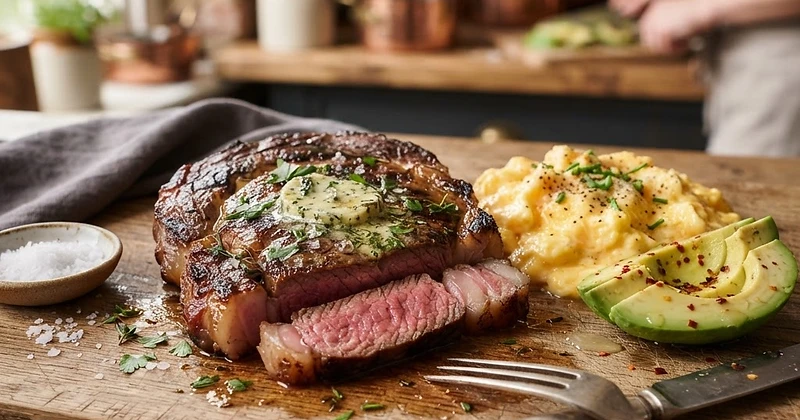
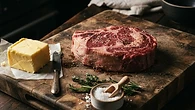
Shift your plate proportions. Instead of a huge bowl of spinach topped with a small chicken breast, make an 8–10 oz ribeye or 80/20 ground beef patty the center of your plate. If you keep plant foods, make them minimal: a slice of avocado, a squeeze of lemon, or fresh herbs for seasoning.
Electrolyte and Hydration Strategy
To ensure zero energy dips during your transition:
- Sodium is King: Generously salt your meat with high-quality sea salt or rock salt. Aim for 3 to 5 grams of elemental sodium per day.
- Sip Bone Broth: Warm, salted bone broth provides collagen peptides and replenishes circulating minerals without spiking insulin.
- Supplement Magnesium: Consider taking 200–400 mg of magnesium glycinate or malate before bed to prevent cramps and promote deep restorative sleep.
Sample 7-Day Keto to Ketovore Meal Plan
Follow this actionable keto to ketovore meal plan designed to preserve metabolic flexibility while maximizing animal-based satiety.
Day 1
- Breakfast: 3 pasture-raised eggs scrambled in 1 tbsp butter with 2 slices of thick-cut bacon.
- Lunch: 8 oz grilled burger patties (80/20 beef) topped with cheddar cheese; optional side of cucumber slices.
- Dinner: Pan-seared ribeye steak basted in tallow, seasoned generously with coarse sea salt.
Day 2
- Breakfast: Black coffee or bone broth with 1 tbsp butter or heavy cream; 2 hard-boiled eggs.
- Lunch: Canned sardines or wild salmon in brine mixed with 1 boiled egg and a dash of lemon juice.
- Dinner: Slow-cooked chuck roast braised in beef bone broth and herbs.
Day 3
- Breakfast: Ground beef hash (cooked 80/20 beef) topped with 2 over-easy eggs.
- Lunch: Leftover chuck roast with natural pan drippings.
- Dinner: Grilled pork chops with garlic herb butter and a small side of sautéed zucchini.
Day 4
- Breakfast: Omelet made with 3 eggs, goat cheese, and diced prosciutto.
- Lunch: Crispy air-fried chicken wings tossed in melted ghee and sea salt.
- Dinner: Seared lamb chops seasoned with rosemary and coarse sea salt.
Day 5
- Breakfast: 3 fried eggs cooked in bacon drippings with beef sausage links.
- Lunch: Cold roast beef roll-ups with a thin spread of cream cheese.
- Dinner: 12 oz NY strip steak cooked in butter; optional side of half an avocado.
Day 6
- Breakfast: Bone broth mug with 2 poached eggs dropped in.
- Lunch: Tuna or salmon salad (made with mashed avocado or home-made egg mayo) wrapped in prosciutto slices.
- Dinner: Roasted pork belly slices crisped to perfection with mineral salt.
Day 7
- Breakfast: 3 scrambled eggs with browned ground lamb and a touch of feta cheese.
- Lunch: Leftover pork belly or beef patties with melted Monterey Jack.
- Dinner: Pan-seared salmon filet cooked in ghee with crispy skin, alongside a small side of asparagus tips.
Troubleshooting Common Ketovore Hurdles
Persistent Sweet Cravings
Craving something sweet two hours after dinner? You likely under-ate fat or protein at your main meal. Do not reach for keto cookies. Eat two hard-boiled eggs or a spoonful of grass-fed tallow or butter with salt. Cravings vanish almost instantly when fat-soluble satiety signals kick in.
Constipation or Digestive Shifts
When fiber drops, bowel movement volume naturally decreases because animal protein and fat are almost entirely absorbed in the small intestine. This is not constipation unless accompanied by pain or straining. If stools are too hard, increase hydration and dietary fat (such as butter or tallow); if stools are loose, slightly dial back exogenous fats until your gallbladder adapts.
Take the Next Step
Transitioning from keto to ketovore does not require complicated macro tracking or starvation. By shifting from plant-heavy keto fillers to nutrient-dense meats, eggs, and healthy animal fats, you break past stalls, stabilize your daily energy, and gain ultimate metabolic control.
Sources & References