Master the hybrid low-carb approach with our ultimate ketovore diet food list. Learn what to eat freely, what to limit, and which foods to completely avoid.
We only share products we believe in. Buying through a link may earn us a small commission — thanks for the support. Learn more →
If you find the strict, meat-only regimen of the traditional carnivore diet overly restrictive, yet you want deeper metabolic benefits and cleaner nutrition than a conventional ketogenic diet provides, the ketovore diet is the ideal bridge. By prioritizing nutrient-dense animal proteins and ancestral fats while strategically allowing a narrow, curated selection of plant foods, this carnivore-keto hybrid delivers sustainability without sacrificing results.
Understanding exactly what to eat on ketovore is critical. Unlike standard keto, which often focuses entirely on macro tracking—frequently letting processed junk foods, seed oils, and inflammatory plant compounds slip in—ketovore is fundamentally animal-food-first. To help you structure your pantry and grocery trips with total confidence, here is the complete, definitive ketovore diet food list covering what to eat freely, what to consume with intention, and what to eliminate entirely.
What Makes the Ketovore Diet Different?
The ketovore way of eating typically derives between 80% and 95% of its daily caloric intake from whole animal sources, as noted in practical guides by PaleoPro and GoCarnivore. The remaining 5% to 20% comes from thoughtfully chosen, very low-carbohydrate plant foods, herbs, and culinary fats.
Unlike strict carnivore, ketovore gives you culinary flexibility, social ease, and access to select plant antioxidants and digestive fiber. Unlike standard keto, ketovore does not permit engineered low-carb baked goods, inflammatory seed oils, or large quantities of plant antinutrients. It uses ketosis to maintain fat adaptation while keeping digestion clean and inflammation low.
The Core Foundation: Foods to Eat Freely
Animal foods form the non-negotiable base of your plate. When building a meal, start with your primary protein and natural animal fat before considering any side items.
1. Ruminant and Red Meats
Red meats from ruminants are the most bioavailable, micronutrient-dense foods available. Focus on fatty cuts to ensure you reach a satisfying fat-to-protein ratio:
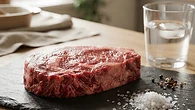
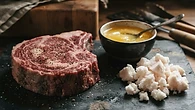
- Beef: Ribeye, New York strip, chuck roast, brisket, 80/20 or 73/27 ground beef, short ribs
- Lamb and Mutton: Chops, shanks, ground lamb, leg of lamb
- Bison and Venison: Steaks and ground meat (add tallow or butter if wild game is lean)
- Pork: Pork belly, bacon (uncured, sugar-free), Boston butt, pork chops
2. Poultry and Fowl
While chicken and turkey are leaner than beef, they provide budget-friendly variety. Always prioritize the skin-on, dark meat cuts:
- Chicken thighs, drumsticks, and wings with skin
- Whole roasted duck and duck breast
- Pasture-raised turkey legs and thighs
3. Wild-Caught Fish and Seafood
Fatty cold-water seafood supplies anti-inflammatory long-chain omega-3 fatty acids (EPA and DHA) and key minerals like iodine, selenium, and zinc:
- Fatty fish: Wild salmon, mackerel, sardines, herring, anchovies
- White fish: Cod, halibut, and haddock (pair with melted butter or ghee)
- Shellfish: Oysters, mussels, shrimp, crab, lobster, and scallops
4. Organ Meats (Offal)
Organ meats serve as nature’s multivitamin. Even just 2 to 4 ounces once or twice a week covers essential micronutrients:
- Beef liver (nature's richest source of vitamin A, B12, and copper)
- Heart (packed with CoQ10)
- Kidney, sweetbreads, and bone marrow
5. Pasture-Raised Eggs
Whole eggs are an elite ketovore staple offering choline, lutein, and healthy fats. Enjoy whole chicken, duck, or quail eggs scrambled, poached, boiled, or fried in animal fat.
6. Ancestral Cooking Fats
Steer clear of industrially refined cooking oils. Cook and dress your meals with traditional animal fats:
- Beef tallow
- Ghee (clarified butter)
- Unsalted grass-fed butter
- Lard and duck fat
- Bone broth (gelatin-rich, slow-simmered)
The Ketovore Plants List: Allowed Plant Additions
This is where the ketovore framework distinguishes itself from strict carnivore. The goal of the ketovore plants list is to provide light variety, culinary brightness, and minimal fermentable fiber without provoking gut irritation or kicking you out of ketosis, a balance supported by physician-led protocols outlined on iHeal.
1. Fruit-Type Botanical Fats
These botanicals behave more like whole-food fats than sugars, making them prime ketovore candidates:
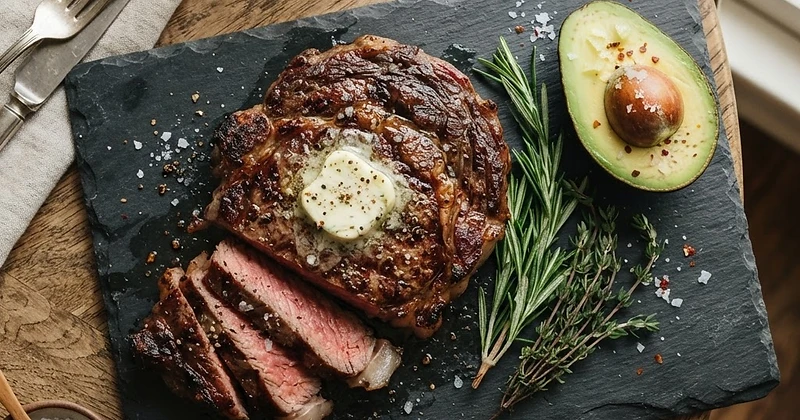
- Avocados: Rich in potassium and monounsaturated oleic acid
- Olives: Kalamata, green, and castelvetrano olives (avoid varieties packed in vegetable oils)
2. Very Low-Carb Vegetables
Incorporate small portions of these non-starchy vegetables primarily as side garnishes or vessels for meat and fat:
- Cruciferous: Small portions of broccoli florets, cauliflower, or Brussels sprouts
- Leafy greens: Arugula, romaine lettuce, and baby spinach (used sparingly if sensitive to oxalates)
- Others: Asparagus spears, zucchini, cucumbers, and sautéed mushrooms
3. Fermented Vegetables
Naturally fermented foods offer natural probiotics without high carb counts:
- Raw unpasteurized sauerkraut (cabbage and salt only)
- Traditional kimchi (sugar-free)
- Naturally fermented dill pickles
4. Seasonings, Herbs, and Functional Plant Fats
Spice extracts and plant oils used selectively for finishing meals:
- Fresh herbs (rosemary, thyme, cilantro, parsley, basil, oregano)
- Pure spices (sea salt, black pepper, garlic powder, onion powder)
- Extra virgin olive oil and cold-pressed avocado oil (primarily for finishing or dressings)
- Pure virgin coconut oil or MCT oil
Foods to Consume in Moderation (Handle with Intention)
The foods in this category fall on the borderline. Many people thrive including them; others discover that they stall weight loss or trigger inflammatory flare-ups. Introduce these cautiously and monitor your progress:
- Dairy: Hard aged cheeses (parmesan, aged cheddar, gouda), heavy whipping cream, and sour cream. Avoid milk and low-fat dairy, which carry excessive lactose sugars.
- Berries: Blackberries, raspberries, and wild blueberries. Limit to a small handful (under 30 grams) eaten alongside an animal-protein meal to prevent insulin spikes.
- Dark Chocolate: 85% to 100% unsweetened cacao in small quantities (1 to 2 squares).
- Nuts and Seeds: Macadamia nuts, pecans, or walnuts. Nuts contain defense compounds (phytic acid, lectins) and are easy to overconsume; keep them strictly limited or eliminate them if digestion suffers.
- Beverages: Black coffee, unsweetened tea, and sparkling mineral water.
Foods to Strictly Avoid
To retain the metabolic and digestive advantages of a ketovore lifestyle, eliminate foods that spike blood glucose, disrupt gut lining integrity, or cause systemic inflammation, as reinforced by clinical overviews on Dr. Berg's nutritional platform:
- Grains and Starches: Wheat, oats, rice, corn, quinoa, bread, pasta, pastries, and crackers.
- Starchy Vegetables: Potatoes, sweet potatoes, yams, parsnips, and beets.
- Legumes: Black beans, lentils, pinto beans, chickpeas, peanuts, and soy products.
- Refined Sugars and Syrups: Table sugar, high-fructose corn syrup, agave nectar, maple syrup, and large doses of honey.
- Industrial Seed and Vegetable Oils: Canola oil, soybean oil, corn oil, sunflower oil, safflower oil, and cottonseed oil.
- Processed "Keto" Products: Store-bought keto cookies, meal replacement bars packed with soluble corn fiber, and fake flour replacements that promote digestive bloat.
- Sweetened Beverages: Regular soda, store-bought fruit juice, sweetened energy drinks, and beer.
Sample One-Day Ketovore Meal Plan
To see how to apply the ketovore allowed foods in everyday life, here is an accessible daily schedule:
- Breakfast: 3 pasture-raised eggs scrambled in 1 tablespoon of grass-fed butter, paired with 3 thick-cut slices of sugar-free bacon. Black coffee or water.
- Lunch: 8 ounces of grilled 80/20 ground beef patties topped with sharp cheddar, served alongside half a sliced avocado with sea salt.
- Dinner: 12-ounce grilled ribeye steak topped with garlic herb butter, accompanied by a small side of asparagus or broccoli roasted in beef tallow.
- Optional Snack: A tin of wild sardines packed in water or olive oil, or a hard-boiled egg.
Actionable Tips to Get Started
If you are transitioning to ketovore, implement these three practical steps starting today:
- Prioritize the Meat First: Never build a plate around vegetables and drizzle a little meat on top. Put an 8- to 12-ounce cut of animal protein in the center, and add plant foods strictly as accents.
- Keep Carbohydrates Below 20–30 Grams: Most ketovores thrive when net carbs stay under 15 to 25 grams daily, derived exclusively from the allowed vegetables and berries listed above.
- Stay Generous with Salt: As carb intake drops, your kidneys excrete sodium at higher rates. Liberally salt your steaks, broths, and eggs with high-quality mineral salt to prevent headaches and fatigue.
Sources & References
- Ketogenic.com: "What Is Ketovore—And How Does It Compare to Keto?"
- PaleoPro: "Ketovore Diet Explained: The Carnivore-Keto Hybrid That's Actually Sustainable"
- iHeal: "The Ketovore Diet, Explained (With a Full Food List)"
- Dr. Eric Berg: "Ketovore Diet: Pros and Cons, Food List, and 7-Day Meal Plan"
- GoCarnivore: "Ketovore Diet: Pros and Cons, Food List, and 7-Day Meal Plan"