Stuck in an agonizing keto stall? Discover how adopting a ketovore diet for weight loss leverages animal-based density to break keto plateaus and reset your fat burning.
We only share products we believe in. Buying through a link may earn us a small commission — thanks for the support. Learn more →
Few things are as exhilarating as starting a low-carb journey and watching stubborn pounds melt away. However, few experiences are as deeply frustrating as stepping on the scale weeks or months later to find the needle completely frozen. When weight loss abruptly stalls, dieters often find themselves obsessively recalculating net carbs, slashing calories to unsustainable lows, or falling out of compliance altogether.
If you are struggling to break a keto plateau with ketovore principles, you are not alone. Standard ketogenic protocols leave ample room for hidden carbs, inflammatory additives, and caloric overconsumption via processed "keto treats." Enter the carnivore-keto hybrid: an animal-first strategy designed to rekindle fat burning. Here is how shifting toward a ketovore diet for weight loss can smash through stubborn fat-loss stalls while preserving hard-earned lean muscle.
Understanding the Ketovore Hybrid: Where Keto Meets Carnivore
The ketovore lifestyle represents an intentional middle ground between standard ketogenic eating and strict, all-meat carnivore. While traditional keto dictates macro ratios (roughly 70–80% fat, 15–20% protein, and under 50g carbs) without strictly regulating ingredient quality, strict carnivore eliminates 100% of plant matter in favor of pure animal nutrition.
Ketovore takes the best of both worlds:
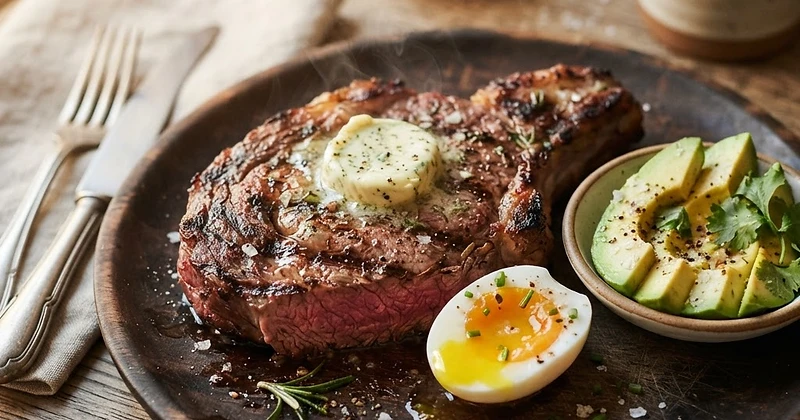
- Animal-centric baseline: Approximately 80% to 90% of your daily intake comes from nutrient-dense animal foods—beef, poultry, eggs, fish, and rich animal fats.
- Strategic plant allowance: The remaining 10% to 20% leaves room for low-toxicity, low-carb plant items—such as avocado, olives, garlic, fresh herbs, or a squeeze of lemon.
- Ultra-low carbohydrate ceiling: Carbohydrate intake typically hovers tightly between 10 and 20 total grams per day, drastically below standard keto ceilings.
Why Keto Weight Loss Stalls in the First Place
To understand why transitioning to ketovore produces such profound results, you must examine the subtle pitfalls of standard ketogenic eating that contribute to weight stalls.
1. The Trap of Ultra-Processed "Keto" Products
The commercial explosion of keto snacks, bars, and baked goods has introduced high concentrations of processed fibers (such as soluble corn fiber or isomalto-oligosaccharides), sugar alcohols, and artificial sweeteners. While these foods claim low "net carbs," clinical insights highlighted by organizations like Virta Health demonstrate that processed low-carb foods frequently spike insulin or create digestive inflammation, effectively stalling fat oxidation.
2. Excess Dietary Fat (The "Fat-Bomb" Pitfall)
Ketosis requires keeping carbohydrates low enough that the liver generates ketones from fatty acids. However, those fatty acids can come from either your plate or your body. When dieters consume heavy cream, MCT oil, and bulletproof coffee throughout the day, the body prioritizes burning this hyper-dense exogenous dietary fat before ever touching stored adipose tissue.
3. Creeping Plant Anti-Nutrients and Gut Inflammation
A standard keto diet often leans heavily on almond flour, nut butters, spinach, and nightshades. For many sensitive metabolisms, high intakes of oxalates, phytates, and lectins cause mild, chronic gut dysbiosis and water retention. This masquerades as a stubborn plateau and blunts leptin signaling.
How Ketovore Breaks Fat-Loss Plateaus
Transitioning into a carnivore-leaning approach changes your biochemistry and feeding psychology. Here is how using ketovore for weight loss systematically strips away stall-inducing variables.
Maximizing the Protein Leverage Effect
Unlike conventional keto, which occasionally under-indexes on protein out of an exaggerated fear of gluconeogenesis, ketovore prioritizes animal protein. Protein demands significantly higher energy to digest due to the thermic effect of food (TEF). Furthermore, animal proteins trigger peptide YY and cholecystokinin (CCK)—the body’s most potent fullness signals—making involuntary calorie deficits effortless.
Eliminating Hidden Carbs and Additives
By shifting 80% to 90% of your meals to single-ingredient whole foods (such as ribeye, eggs, salmon, and tallow), you immediately cut out inflammatory emulsifiers, seed oils, and confusing net-carb math. As outlined in reviews by Healthline, removing hidden carbohydrates from commercial sauces and faux baked goods is often the single most effective way to re-enter deep ketosis.
Promoting Endogenous Fat Burning
Because animal-based meals naturally deliver fats and proteins in biologically harmonious packages (such as a marbled steak or whole eggs), you naturally step away from artificial fat supplements. Without cups of MCT oil clogging your metabolic queue, your liver turns back to burning endogenous adipose tissue for daily fuel.
How to Formulate Your Ketovore Plate
Setting up your plate on a ketovore diet does not require cumbersome tracking apps or complicated macro calculations. Follow this foundational structure:
- Centerpiece (80–90%): Anchor your meal with ruminant meats (beef, bison, lamb), wild-caught seafood, pasture-raised eggs, or poultry. Keep skin and natural fats intact.
- Cooking Fats: Cook strictly with ancestral fats—beef tallow, duck fat, ghee, or grass-fed butter. Avoid industrial seed oils completely.
- Strategic Low-Carb Plant Accent (10–20%): If desired, add half an avocado for potassium, a sprinkle of fresh herbs, bone-broth-simmered mushrooms, or a handful of olives.
- Hydration and Minerals: Animal-heavy protocols dump excess sodium quickly. Drink plenty of water and salt your meats generously with unrefined sea salt to bypass the "keto flu."
Realistic Expectations: Ketovore Results
What can you realistically expect when shifting from standard keto to ketovore? Most individuals observe a swift loss of retained water weight within the first 5 to 7 days, as lingering gut inflammation recedes. Over 30 to 60 days, consistent ketovore results typically include:
- A resumption of scale weight loss (often 1 to 2 pounds of pure body fat per week).
- Noticeable reductions in abdominal bloating and digestive distress.
- Complete elimination of late-afternoon energy crashes and cravings for sweets.
- Enhanced workout recovery, thanks to the complete amino acid profiles found in animal protein.
Actionable Next Steps to Break Your Stall Today
If your weight loss has flatlined for four weeks or more, treat the next 21 days as a ketovore reset:
- Purge keto junk: Discard all bars, fiber tortillas, and artificial sweetener syrups.
- Shop the perimeter: Stock up on ground beef, chuck roast, eggs, and butter. Keep plant purchases limited strictly to avocados, lemons, or simple culinary herbs.
- Eat to satiety: Do not starve yourself. Eat until comfortably full on animal proteins and natural fats, allowing your satiety hormones to regulate your caloric intake organically.
By blending the metabolic brilliance of ketosis with the nutrient-dense simplicity of carnivore, ketovore delivers a potent, sustainable strategy to smash your plateau and achieve lasting fat loss.
Sources & References
- Virta Health. "How to Break a Weight Loss Plateau on a Low Carb Diet." Available at: virtahealth.com.
- Healthline. "Weight Loss Plateau on Keto: Causes and How to Break It." Available at: healthline.com.
- Diet Doctor. "Top 10 tips to break a low-carb or keto weight loss stall." Available at: dietdoctor.com.
- Paleo Pro. "Ketovore Diet Explained: The Carnivore-Keto Hybrid That's Actually Sustainable." Available at: paleopro.com.