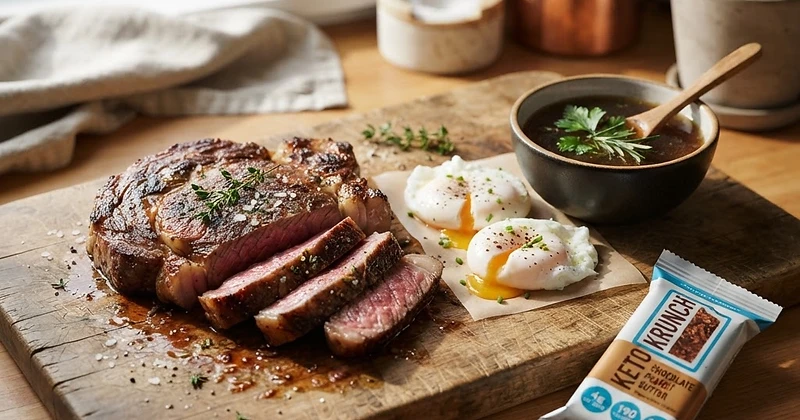
Discover why ketovore outperforms dirty keto. Learn the hidden dangers of keto snacks, the inflammatory impact of seed oils, and how clean animal-based nutrition fuels real health.
We only share products we believe in. Buying through a link may earn us a small commission — thanks for the support. Learn more →
When transitioning into low-carbohydrate living, most people encounter a pivotal crossroads: ketovore vs dirty keto. At first glance, both protocols promise metabolic flexibility, appetite control, and rapid fat loss by keeping carbohydrates exceptionally low. However, how you achieve that metabolic state determines whether you heal your body or merely trade one form of metabolic dysfunction for another.
Dirty keto hinges on macronutrient arithmetic—as long as net carbs remain low, anything goes, from deep-fried fast food burger patties to industrial protein bars. In contrast, clean ketovore marries the therapeutic benefits of ketosis with ancestral, nutrient-dense nutrition, placing animal-based whole foods at the core. Understanding the fundamental gap between these two approaches will protect your metabolism, hormones, and long-term vitality.
What Is Dirty Keto? The Allure and the Trap
Dirty keto—often conflated with "lazy keto"—operates on the premise that total macronutrient percentages are the sole factor driving health. Advocates consume factory-farmed processed meats, processed cheeses, artificial sweeteners, and low-carb replica junk foods so long as they stay under 20 to 30 grams of net carbs daily, as noted in analyses of clean vs. dirty keto approaches by U.S. News.
While this strategy may initially induce ketosis and generate short-term scale movement, it overlooks biological reality: food is information, not just raw fuel. Ultra-processed low-carb items carry additives, stabilizers, and degraded industrial fats that disrupt the gut microbiome, trigger chronic inflammation, and ultimately stall weight loss.
The Dangers of Keto Snacks: Chemistry Over Real Food
Walk down any grocery aisle today and you will see boxes labeled "Keto Certified" cookies, chips, brownies, and protein bars. Unfortunately, exploring the dangers of keto snacks reveals a grim reality. These items are engineering feats designed to hijack satiety while masquerading as health products.
1. Artificial Sweeteners and Digestive Disruption
Many commercial keto snacks rely heavily on sugar alcohols (such as maltitol, sorbitol, and xylitol) or artificial sweeteners like sucralose and acesulfame potassium. Maltitol, in particular, possesses a glycemic index high enough to induce significant blood sugar spikes and insulin responses, effectively stalling ketosis while provoking severe gastrointestinal distress.
2. Chemical Binders and Refined Isolates
To mimic wheat and starch, manufacturers load keto baked goods with soluble corn fiber, tapioca starch isolates, and industrial gums (xanthan gum, guar gum). These concentrated fibers often ferment rapidly in the colon, leading to bloating, gut dysbiosis, and systemic immune reactivity.
3. The Inflammatory Role of Seed Oils on Keto
Perhaps the most insidious hazard is the widespread use of seed oils on keto. Packaged snacks, commercially prepared mayonnaise, and pre-packaged "keto crisps" frequently substitute stable fats with cheap, highly refined vegetable oils, such as canola, soybean, sunflower, and corn oils. As highlighted by nutritional discussions around Healthline's review of clean keto, processed oils introduce high concentrations of easily oxidized omega-6 linoleic acid. When subjected to industrial extraction and cooking heat, these fragile polyunsaturated fats generate lipid peroxides and advanced glycation end-products that drive cellular inflammation and impair mitochondrial respiration.
Why Clean Ketovore Is Superior
A clean ketovore diet solves the pitfalls of dirty keto by centering on evolutionary human nutrition. Ketovore prioritizes animal-based foods—ruminant meats, poultry, wild seafood, eggs, and healthy animal fats—while selectively incorporating small, well-tolerated amounts of low-toxicity plant foods (such as avocados, berries, or select herbs) for taste or minor variety.
1. True Bioavailability and Micronutrient Density
While dirty keto relies on fortified foods and isolated multivitamin pills that have inferior absorption rates, animal-based nutrition delivers vitamins and minerals in their most bioavailable forms: heme iron, preformed vitamin A (retinol), vitamin K2 (MK-4), zinc, and vital B-complex vitamins, including B12. Research highlighted by the Ketogenic.com overview on clean vs. dirty keto underscores that whole food matrices ensure nutrients function synergistically rather than in isolation.
2. Stable Energy and Authentic Satiety
Ultra-processed keto treats are hyper-palatable, encouraging overconsumption despite low carb counts. Conversely, fatty cuts of ruminant meat (such as ribeye, chuck roast, and 80/20 ground beef) contain genuine cellular structures, high-quality protein, and natural saturated and monounsaturated fats. This combination stimulates satiety hormones like cholecystokinin (CCK) and peptide YY (PYY), shutting down cravings naturally without white-knuckled willpower.
3. Gut and Immune Healing
By eliminating gut irritants—such as refined vegetable oils, artificial sweeteners, industrial thickeners, and high-lectin plant foods—ketovore allows the intestinal mucosa to repair. Individuals suffering from auto-immune conditions, skin flare-ups, and stubborn joint stiffness often find that dirty keto perpetuates their symptoms, whereas shifting to clean animal fats brings profound relief.
Head-to-Head Comparison: Ketovore vs. Dirty Keto
| Nutritional Marker | Dirty Keto | Clean Ketovore |
|---|
| Primary Fat Sources | Canola, soybean oil, margarine, processed spreads | Tallow, butter, ghee, lard, bone marrow, egg yolks |
| Protein Sources | Processed cold cuts, soy protein isolate, cheap hot dogs | Grass-fed and grain-finished ruminant beef, pastured eggs, wild fish |
| Snacks & Treats | Sugar-alcohol bars, low-carb packaged cookies, chips | Bacon strips, hard-boiled eggs, beef pemmican, bone broth |
| Metabolic Impact | Frequent insulin spikes from fillers, sustained systemic inflammation | Minimal insulin response, high insulin sensitivity, deep cellular repair |
| Long-Term Sustainability | High risk of weight stalls, cravings, and digestive distress | Effortless satiety, sustained energy, robust body recomposition |
Actionable Steps: Transitioning from Dirty Keto to Clean Ketovore
If you find yourself stuck in the dirty keto cycle—relying on daily "keto treats" and nursing digestive discomfort—use this progressive protocol to elevate your dietary quality:
- Audit the Pantry: Throw out or donate bars, cookies, and low-carb bakery items with ingredient lists longer than four items. If it contains maltitol, modified wheat starch, or industrial gums, eliminate it.
- Purge Industrial Seed Oils: Check dressings, condiments, and cooking sprays. Replace soybean and canola oils with traditional fats: grass-fed tallow, lard, duck fat, and real butter or ghee.
- Build Every Meal Around Ruminant Meat: Make beef, lamb, bison, or venison the center of your plate. Aim for 0.8 to 1.0 grams of complete protein per pound of ideal body weight to ensure muscle protein synthesis and appetite suppression.
- Use Natural Animal-Based Snacks: If you need fuel between meals during the transition, opt for cold sliced roast beef, homemade beef jerky without sugar, canned sardines, or hard-boiled eggs rather than commercially packaged bars.
- Track Symptoms, Not Just Net Carbs: Instead of focusing purely on macro trackers, evaluate joint inflammation, mental clarity, bloating, and mid-afternoon energy levels as key indicators of your metabolic trajectory.
The Bottom Line
In the debate over ketovore vs dirty keto, the science is clear: ketosis is a powerful metabolic tool, but food quality determines your underlying health. Packaged keto treats and inflammatory seed oils exploit your health goals for convenience. By stepping away from the chemical-laden traps of dirty keto and embracing the nutrient-dense foundation of an animal-based ketovore lifestyle, you nourish your body at the cellular level for lifelong vitality.
Sources & References