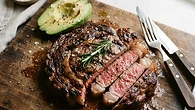
Confused between keto, carnivore, and ketovore? Discover the core differences, health benefits, food lists, and practical guidance to choose the ideal low-carb, meat-based lifestyle for your metabolic goals.
We only share products we believe in. Buying through a link may earn us a small commission — thanks for the support. Learn more →
Low-carbohydrate, ancestral-inspired eating has shifted the paradigm of modern nutrition. Millions of people have turned away from the standard high-glycemic western diet in search of fat loss, gut healing, stable energy, and mental clarity. However, navigating the landscape of low-carb nutritional protocols can feel overwhelming. With standard ketogenic eating, strict carnivore, and the emerging meat-based keto hybrid known as ketovore, which approach is truly optimal?
Understanding the debate between ketovore vs keto and carnivore vs ketovore requires looking closely at food quality, nutrient density, digestive tolerance, and long-term sustainability. This comprehensive guide breaks down the definitions, nuances, pros and cons, and practical strategies to help you decide which lifestyle fits your biology and routine.
The Spectrum: Defining Keto, Carnivore, and Ketovore
Rather than treating these diets as isolated, dogmatic regimes, it helps to understand them along a single nutritional continuum—moving from plant-inclusive metabolic management to complete plant elimination.
1. Standard Ketogenic Diet (Keto)
The standard ketogenic diet is defined primarily by its macronutrient profile rather than food sources. Its primary objective is inducing and maintaining nutritional ketosis—a metabolic state where the liver converts fatty acids into ketones for fuel due to depleted glycogen reserves. Typically, standard keto targets:
- Fats: 70% to 80% of daily calories
- Protein: 15% to 25% of daily calories
- Carbohydrates: Under 5% to 10% (usually 20g to 50g of net carbohydrates)
On keto, plant diversity is high: leafy greens, cruciferous vegetables, nuts, seeds, nut flours, plant oils (olive, coconut, avocado), berries, and zero-calorie sweeteners are common staples alongside meats and dairy.
2. Strict Carnivore Diet
The carnivore diet is a zero-plant, all-animal nutritional protocol. It rejects the concept that plant matter is essential for human vitality and eliminates all vegetables, fruits, seeds, nuts, grains, legumes, and vegetable oils. Meals consist entirely of ruminant meats (beef, bison, lamb), poultry, wild seafood, eggs, bone marrow, organ meats, and occasionally animal fats and dairy.
Carnivore acts as the ultimate natural elimination diet. By eradicating plant antinutrients—such as lectins, oxalates, phytates, and fermentable fibers—it is widely celebrated for calming gut inflammation and chronic autoimmune flares.
3. What Is Ketovore? (Meat-Based Keto)
So, what is ketovore? Often described as a "carnivore-keto hybrid" or meat-based keto, ketovore bridges the gap between the two extremes. As explained by ancestral wellness educators at Paleo Pro, ketovore is essentially an animal-first dietary framework that derives roughly 80% to 95% of its caloric intake from animal foods, while intentionally allowing select, low-toxicity, low-carb plant items.
Unlike standard keto—which frequently leans on industrial nut flours, seed oils, and processed "keto treats"—ketovore maintains the strict whole-food quality standard of carnivore while providing a pragmatic safety valve for social flexibility, taste, and digestive variety.
Ketovore vs Keto: The Major Distinctions
While both diets operate under carbohydrate restriction to maintain ketosis, comparing ketovore vs keto highlights essential philosophical and practical differences:
- Food Quality Over Formulas: A standard keto diet can technically consist of inflammatory seed oils, artificial sweeteners, processed keto bars, and soy protein isolates while still hitting theoretical macro goals. Ketovore prioritizes whole, nutrient-dense animal proteins and saturated animal fats as the physiological center of every plate.
- Fiber and Plant Antinutrients: Standard keto pushes large volumes of fibrous greens, nut meals, and seeds. For individuals with sensitive digestion, small intestinal bacterial overgrowth (SIBO), or IBS, high fiber intake can trigger severe bloating and discomfort. Ketovore drastically limits plant fiber, sparing the digestive tract.
- Simplicity vs. Macro Tracking: Keto often requires meticulous tracking of net carbs, grams of fat, and protein ratios. Ketovore focuses on eating animal proteins to satiety, naturally keeping carbohydrates low without obsessive calorie counting.
Carnivore vs Ketovore: Why Many Add the "Keto" Valve
When comparing carnivore vs ketovore, the debate centers on absolute elimination versus sustainable flexibility. According to insights shared by CookUnity, while strict carnivore offers unparalleled simplicity, many long-term practitioners eventually transition to ketovore to resolve subtle plateaus or lifestyle barriers.
The Benefits of Ketovore Over Strict Carnivore:
- Electrolyte & Adrenal Balance: Extended zero-carb eating can occasionally challenge mineral retention, thyroid conversion, or sleep quality in active individuals. Adding a small serving of nutrient-dense, low-carb fruit (like avocado or olives) or fermented vegetables can assist with mineral retention.
- Microbiome Support: For those who tolerate modest amounts of fermentable foods, small portions of raw sauerkraut, kimchi, or alliums provide probiotic diversity without provoking gut distress.
- Culinary Variety and Compliance: Strict carnivore can be socially challenging at family gatherings, restaurants, or during travel. Ketovore permits seasoning with herbs and garlic, dipping steak in guacamole, or enjoying a cup of black coffee with heavy cream.
Comparative Breakdown: Keto vs. Ketovore vs. Carnivore
| Feature | Standard Keto | Ketovore (Meat-Based Keto) | Strict Carnivore |
|---|
| Primary Fuel Source | Animal and plant fats | Animal fats & fatty meats | Animal fats & fatty meats |
| Plant Inclusions | Extensive (vegetables, nuts, seeds, oils, berries) | Minimal (avocado, herbs, berries, fermented kraut) | None (zero-plant) |
| Macronutrient Focus | Strict macro percentages (70/25/5) | Protein & fat focused; trace carbs (<15–20g) | Virtually zero carbohydrates |
| Elimination Level | Low (eliminates sugar, grains, high-carb fruit) | High (eliminates grains, seed oils, most plants) | Total elimination of non-animal foods |
| Primary Advantage | Wide variety, culinary flexibility | Carnivore benefits with everyday sustainability | Maximum gut rest, autoimmune symptom reduction |
What to Eat on a Ketovore Diet
If you choose the ketovore path, your plate should be dominated by pasture-raised or grass-finished animal products, complemented by strategic plant additions:
The Core (85–95% of Calories):
- Ruminant Meats: Ribeye, ground beef, chuck roast, brisket, lamb chops, bison.
- Pork & Poultry: Pasture-raised pork belly, sugar-free bacon, chicken thighs, duck.
- Wild Seafood: Salmon, mackerel, sardines, oysters, shrimp.
- Eggs: Whole pasture-raised eggs.
- Animal Fats: Beef tallow, ghee, duck fat, butter.
- Full-Fat Dairy (Optional): Aged parmesan, heavy cream, raw cheddar (if tolerated).
The Plant Accent (5–15% of Calories):
- Fatty Plant Foods: Fresh avocado, extra-virgin olive oil, cured olives.
- Low-Carb Berries: Occasional small handfuls of blackberries or raspberries.
- Ferments: Unpasteurized sauerkraut or pickle juice for natural enzymes and gut support.
- Aromatics & Herbs: Fresh rosemary, thyme, cracked black pepper, garlic for seasoning.
Which Protocol Is Best for You?
Choosing your path depends on your medical history, metabolic state, and daily lifestyle:
- Choose Standard Keto if: You have a healthy gut, love culinary diversity, want to make low-carb baking recipes, and do not experience negative reactions to nuts, dairy, or plant fibers.
- Choose Strict Carnivore if: You are actively battling acute autoimmune issues, severe joint inflammation, profound digestive disorders (such as Crohn's or ulcerative colitis), or food addiction triggers, as reviewed in clinical analyses by Diagnox Health.
- Choose Ketovore if: You desire the mental focus, digestive calm, and body composition benefits of carnivore, but want the practical lifestyle flexibility to enjoy herbs, an avocado with your steak, or coffee with cream.
Actionable Next Steps: How to Start
Transitioning into a meat-centric lifestyle requires supporting your body through metabolic adaptation:
- Prioritize Salt and Minerals: When insulin levels drop, kidneys excrete sodium rapidly. Salt your steaks generously with unrefined sea salt or rock salt, and consider clean electrolyte supplementation.
- Do a 30-Day Carnivore Baseline: If you are unsure where your food sensitivities lie, consider starting with 30 days of strict animal foods to reset your baseline, then slowly introduce ketovore plant accents one at a time.
- Eat to Satiety: Never starve yourself on a meat-based lifestyle. Eat fatty cuts of meat until comfortably full, allowing your natural leptin and ghrelin satiety cues to normalize.
Sources & References