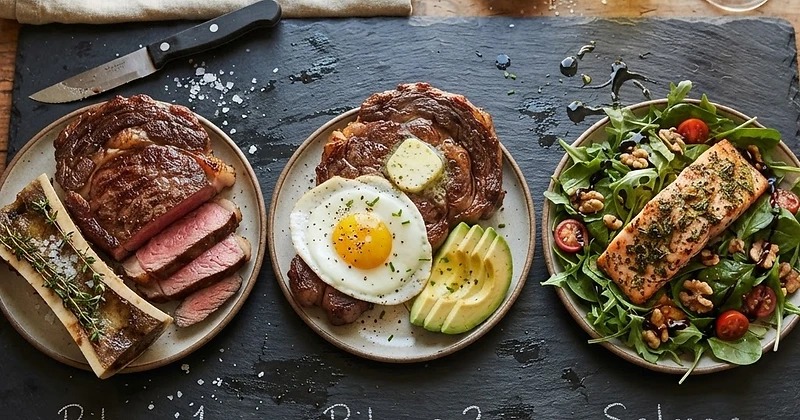
Confused between Ketovore, Keto, and Carnivore? Discover the definitive breakdown of food allowances, macro ratios, metabolic advantages, and how to choose the right protocol.
We only share products we believe in. Buying through a link may earn us a small commission — thanks for the support. Learn more →
When navigating low-carbohydrate eating styles, three approaches dominate the landscape: the Standard Ketogenic Diet (Keto), the Carnivore Diet, and the increasingly popular Ketovore Diet. While all three share the metabolic goal of utilizing fat for fuel via ketosis, their dietary philosophies, macronutrient splits, and restrictions differ significantly.
Understanding the keto carnivore difference—and where the ketovore diet vs keto fits on the spectrum—is essential for achieving steady energy, body composition goals, and digestive health. Here is the definitive guide to these three low-carb powerhouses.
The Core Definitions: Understanding the Spectrum
Rather than viewing these diets as conflicting paradigms, it helps to view them along a continuum of plant inclusion and nutritional density.
1. The Standard Ketogenic Diet (Keto)
The standard ketogenic diet is defined primarily by its macronutrient targets rather than exclusive food groups. It typically aims for under 50 grams (or often under 20–30 net grams) of carbohydrates daily, moderate protein, and high fat. Plant foods such as cruciferous vegetables, nuts, seeds, avocados, and plant-based oils (like olive and coconut oil) are major staples alongside animal proteins.
2. The Carnivore Diet (Zero-Carb)
Carnivore is an animal-exclusive, zero-plant protocol. Dieters consume ruminant meats, poultry, seafood, animal fats (tallow, lard, suet, butter), and occasionally eggs and hard cheeses. All plant foods—including seasonings, fiber, seeds, and vegetable oils—are completely excluded. It acts as the ultimate elimination protocol, often chosen to tackle autoimmune issues, gut dysbiosis, or metabolic inflexibility.
3. The Ketovore Diet
The Ketovore protocol sits precisely between Keto and Carnivore. In a ketovore regimen, 80% to 90% or more of daily caloric intake and plate volume comes directly from animal sources, while retaining minimal, highly selective, low-toxicity plant foods or seasonings (such as an avocado, occasional berries, culinary herbs, or a morning coffee). It merges the metabolic purity of an animal-based diet with the day-to-day culinary sustainability many people find lacking on pure carnivore.
Definitive Macro Breakdown Comparison
Macronutrient composition determines whether your body remains in stable ketosis, how lean mass is retained, and how satiety signals are managed.
- Standard Keto: 70–75% Fat, 20–25% Protein, 5–10% Carbohydrates (typically < 50g total carbs or < 20–30g net carbs).
- Ketovore: 65–75% Fat, 25–30% Protein, < 5% Carbohydrates (typically 5–15g total carbs, mostly from dairy, eggs, or minimal plant garnishes).
- Carnivore: 60–80% Fat, 20–40% Protein, ~0% Carbohydrates (virtually 0g, with trace amounts appearing in organ meats, shellfish, or heavy cream).
Ketovore vs Keto: Macro & Quality Differences
Comparing the ketovore diet vs keto highlights a critical distinction: Keto is macro-focused, whereas Ketovore is food-quality and source-focused. On standard keto, it is easy to consume industrial seed oils, synthetic sweeteners, and processed "keto-friendly" snacks as long as the net carbs remain low. Ketovore discards the synthetic food substitutes, anchoring your nutrition in bioavailable animal fats and proteins while drastically reducing overall carbohydrate exposure.
Ketovore vs Carnivore: Flexibility and Adherence
Examining ketovore vs carnivore reveals a primary trade-off: rigid simplicity versus functional flexibility. Strict carnivore eliminates plant compounds, antinutrients, and dietary fiber completely. However, social dining, morning coffee rituals, and flavor fatigue can make pure carnivore challenging long-term. Ketovore solves this by permitting seasonings, garlic, black coffee, or an occasional side of avocado without compromising your underlying animal-based foundation.
Head-to-Head Comparison Table
| Feature | Standard Keto | Ketovore | Carnivore |
|---|
| Carbohydrate Limit | < 50g total (< 20–30g net) | Extremely low (< 10–20g total) | Near zero (0–5g trace) |
| Primary Calorie Source | Mix of plant & animal fats/proteins | Animal meats, fats, and dairy (80–90%+) | Exclusively animal products (100%) |
| Plant Inclusions | Veggies, nuts, seeds, berries, plant oils | Strictly limited (herbs, avocado, minimal berries) | None permitted |
| Culinary Variety | High | Moderate | Low/Minimal |
| Elimination Level | Low to moderate | High | Maximum |
| Ease of Long-Term Adherence | Moderate (susceptible to "macro creep") | Very high | Moderate to low (requires high discipline) |
Pros and Cons of Each Approach
Standard Keto
- Pros: Wide variety of recipes; easy to adapt in restaurants; familiar grocery profile.
- Cons: Susceptible to "dirty keto" processed foods; high intake of oxalates and plant antinutrients; frequent carb creep via keto treats.
Ketovore
- Pros: High nutrient density; optimal satiety from bioavailable protein; accommodates coffee, spices, and occasional low-carb plant items; avoids processed keto fillers.
- Cons: Requires deliberate grocery shopping; less variety than standard keto; must stay mindful not to slide into high-carb territory.
Carnivore
- Pros: Ultimate elimination protocol; rapid gut relief for sensitive individuals; zero need for complex macro tracking.
- Cons: Socially challenging; monotony can lead to adherence burnout; gives up spices, coffee, and all plant garnishes.
Which Protocol Should You Choose?
Choosing between these protocols depends on your unique metabolic starting point, digestive health, and lifestyle demands.
- Choose Keto if: You want a flexible, well-studied transition into fat adaptation, enjoy plant-based side dishes, and can consistently track your macros without relying heavily on hyper-processed "keto" snacks.
- Choose Ketovore if: You crave the mental clarity, satiety, and simplified meal planning of an animal-based protocol, but want the practical lifestyle flexibility to enjoy morning coffee, garlic and herb butter, or a slice of avocado with your ribeye.
- Choose Carnivore if: You are managing persistent autoimmune flares, severe food intolerances, joint inflammation, or chronic gut issues, and need an uncompromising elimination framework.
Actionable Next Steps: How to Start Ketovore
If you have decided that the ketovore lifestyle offers the right balance for your goals, here is how to launch your transition cleanly:
- Prioritize the Center of the Plate: Make beef, lamb, pork, poultry, fish, or eggs the foundation of every meal. Aim for 1 to 1.5 grams of protein per pound of ideal body weight.
- Select Animal Fats First: Cook with tallow, lard, ghee, or grass-fed butter rather than refined vegetable or seed oils.
- Pare Down Plant Foods: Pare back vegetables to minimal low-toxicity options: culinary herbs, spices, sea salt, or half an avocado.
- Audit Your Electrolytes: When dropping carbs below 20 grams, your kidneys excrete sodium rapidly. Keep sodium, potassium, and magnesium levels steady to avoid low-carb transition fatigue.
- Assess and Iterate: Follow the protocol consistently for 30 days. Evaluate your digestion, body composition, and energy levels before adjusting your animal-to-plant ratio.
Sources & References