Compare Ketovore, Keto, and Carnivore diets side by side. Explore macro ratios, food lists, metabolic benefits, and find out which ancestral protocol fits your lifestyle best.
We only share products we believe in. Buying through a link may earn us a small commission — thanks for the support. Learn more →
Over the past decade, low-carbohydrate and ancestral protocols have fundamentally challenged standard dietary advice. Whether the goal is eradicating stubborn autoimmune flare-ups, maximizing body recomposition, or establishing razor-sharp mental focus, millions have turned away from processed carbohydrates toward fat- and protein-fueled metabolisms.
Yet within this movement, a major debate persists: Ketovore vs Keto vs Carnivore. While standard keto champions low-carb flexibility and carnivore demands complete plant elimination, the carnivore keto hybrid known as the ketovore diet has emerged as a compelling middle ground. Understanding the nuanced differences, macro splits, and practical realities of each approach will help you determine which ancestral path best aligns with your biology.
The Spectrum: Defining Keto, Ketovore, and Carnivore
Rather than looking at these diets as opposing camps, it is best to view them as points along a continuum of plant elimination and animal-fat prioritization.
1. The Ketogenic Diet (Keto)
The standard ketogenic diet is defined primarily by a metabolic state: nutritional ketosis. By drastically reducing carbohydrate consumption (typically under 20–50 grams of net carbs daily), glycogen stores empty and the liver converts fatty acids into ketones for fuel. Standard keto permits a wide variety of low-carb plant foods—leafy greens, cruciferous vegetables, nuts, seeds, coconut, and low-glycemic fruits like berries.
2. The Carnivore Diet
The carnivore diet takes an elimination approach to the extreme. Followers eat exclusively animal products: ruminant meats, poultry, wild seafood, eggs, bone marrow, and selected animal fats. All plant-derived foods—including vegetables, grains, legumes, fruits, nuts, seeds, and vegetable oils—are completely excluded. The goal is to eliminate potential plant toxins (such as oxalates, lectins, and phytates) and provide zero-carb bioavailable nutrition.
3. The Ketovore Diet (The Carnivore-Keto Hybrid)
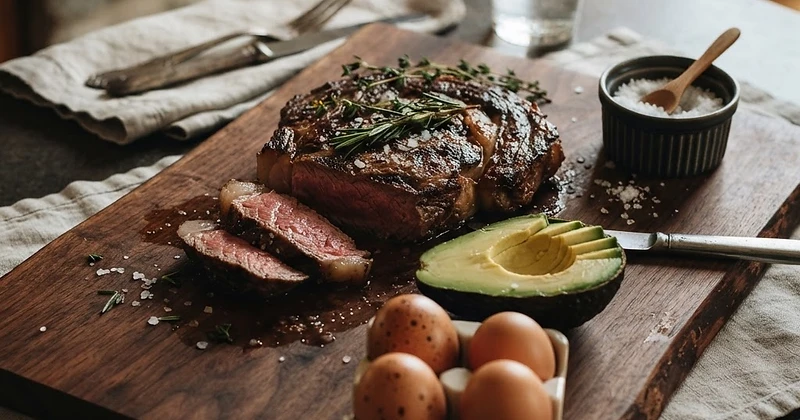
The ketovore diet vs keto distinction comes down to food quality and plant volume. Often described as "carnivore with a safety valve," ketovore derives 85% to 95% of its caloric intake from animal-based foods, while keeping small, strategic amounts of low-carb plants. Unlike standard keto, ketovore treats plants as an occasional garnish or functional tool rather than a dietary staple, strictly avoiding modern processed keto substitutes.
Macro Comparison: Ketovore Macros vs Keto vs Carnivore
Macronutrient composition determines whether your body stays in ketosis and how easily you build lean mass while shedding adipose tissue.
| Metric | Standard Keto | Ketovore | Carnivore |
|---|
| Carbohydrates | 5% (20–50g net carbs) | < 5% (0–15g net carbs) | 0% (Trace/zero carbs) |
| Protein | 20–25% (Moderate) | 30–40% (High) | 30–45% (High) |
| Fat | 70–75% (High) | 60–70% (High) | 55–70% (High) |
| Food Sources | Meat, plants, oils, dairy, nuts | 85–95% Animal foods, select plants | 100% Animal kingdom only |
| Tracking Need | High (macros & net carbs) | Low to Intuitive | None (eat meat to satiety) |
Understanding Ketovore Macros
A typical ketovore macros profile shifts emphasis heavily toward protein compared to standard keto. While keto dieters often restrict protein to avoid theoretical gluconeogenesis concerns, ketovore acknowledges that dietary protein supports satiety, thermogenesis, and muscle retention without kicking the body out of ketosis. On ketovore, net carbs remain low enough (often under 10–15 grams per day) to ensure continuous ketone production without the social rigidity of zero-carb eating.
The Ketovore Food Framework
To implement a carnivore keto hybrid successfully, your plate should consistently showcase high-density animal nutrition, with plants serving an auxiliary role.
Animal Staples (85%–95% of Daily Intake)
- Ruminant meats: Ribeye, ground beef, chuck roast, lamb, bison.
- Poultry & Pork: Pastured eggs, pork belly, heritage bacon, duck.
- Wild Seafood: Salmon, mackerel, sardines, oysters, shrimp.
- Animal Fats: Tallow, ghee, duck fat, butter, lard.
- Dairy (Optional): Hard cheeses, heavy cream (sparingly, if tolerated).
Allowed Ketovore Plant Additions (5%–15% of Daily Intake)
- Avocados: Outstanding source of monounsaturated fats and potassium without anti-nutrients.
- Low-Toxin Seasonings: Black pepper, garlic, herbs used strictly for flavor.
- Fermented Vegetables: Small portions of sauerkraut or kimchi for gut biome support.
- Low-Carb Berries: An occasional handful of blackberries or raspberries.
- Low-Oxalate Greens: Light servings of arugula or cucumber.
Core Differences: Keto vs Carnivore vs Ketovore
Food Quality vs Ratio Dogma
The fatal flaw of standard keto often lies in processed "frankenfoods." Under standard keto rules, seed-oil mayonnaise, packaged keto protein bars filled with soluble tapioca fiber, and artificial sweeteners fit neatly into macro limits. Ketovore completely bypasses this issue by retaining carnivore-grade ingredient purity: ancestral, whole animal proteins and minimal whole-food plant additions.
Gut Health and Fiber
Standard keto treats dietary fiber as essential. Strict carnivore argues fiber is unnecessary and can aggravate underlying gut irritation like IBS or SIBO. Ketovore permits individuals to self-titrate: you can enjoy avocado or fermented cabbage for gut comfort without forcing massive salads into every meal.
Social and Lifestyle Sustainability
A zero-carb carnivore diet requires absolute adherence, making restaurant outings, family dinners, and travel challenging. Ketovore introduces tactical flexibility. Having guacamole with your skirt steak or savoring a light seasonal berry dessert keeps metabolic momentum going without social friction.
Which Diet Is Best for You?
Your ideal protocol depends on your unique metabolic starting point, health conditions, and psychological relationship with food.
Choose Strict Carnivore If:
- You suffer from severe autoimmune conditions, chronic inflammation, or stubborn gut dysbiosis.
- You experience intense food addiction or sugar cravings triggered by any plant foods or sweeteners.
- You prefer a simple, black-and-white approach that eliminates tracking entirely.
Choose Standard Keto If:
- You want maximum culinary variety, including nut flours, plant-based meals, and extensive vegetable dishes.
- You are primarily tracking macros for therapeutic neurological conditions or structured endurance performance.
- You thrive with higher daily fiber intake and enjoy plant-forward recipe creation.
Choose Ketovore If:
- You want the anti-inflammatory and body-composition benefits of carnivore, but desire real-world sustainability.
- You found pure carnivore led to electrolyte imbalances, social fatigue, or boredom after several months.
- You want to eliminate modern seed oils and keto junk foods while enjoying real avocado, fermented foods, and seasonings alongside red meat.
Next Steps: How to Transition to Ketovore
- Prioritize the Base: Center every meal around a high-quality animal protein source (such as 80/20 ground beef, ribeye, or eggs cooked in tallow).
- Strip the Junk: Clean out keto-branded packaged snacks, seed oils (canola, soybean, corn), and sugar alcohols.
- Select 1–2 Plant Allies: Introduce only the lowest-toxicity plants you tolerate best—such as half an avocado or a spoonful of sauerkraut.
- Supplement Electrolytes: Maintain healthy sodium, potassium, and magnesium intake as your body flushes water weight during early ketoadaptation.
- Assess and Iterate: Follow the protocol for 30 consecutive days, assessing energy, mental clarity, digestive health, and body composition before making adjustments.
Sources & References