Discover the differences between Ketovore, Keto, and Carnivore diets. Learn which animal-based low-carb approach fits your metabolic goals and how to transition seamlessly.
We only share products we believe in. Buying through a link may earn us a small commission — thanks for the support. Learn more →
Over the past decade, low-carbohydrate nutritional models have evolved far beyond the classic Atkins protocol. For individuals seeking metabolic clarity, gut restoration, sustained fat loss, and relief from chronic inflammation, three dietary paradigms dominate the conversation: the Standard Ketogenic Diet (Keto), the Strict Carnivore Diet, and the increasingly popular hybrid, the Ketovore diet (often referred to as animal based keto).
While all three approaches suppress dietary carbohydrates to drive ketone production and metabolic flexibility, their philosophies regarding plant matter, food quality, and restriction diverge significantly. Choosing the wrong framework can lead to micronutrient imbalances, gut dysbiosis, social burnout, or unnecessary nutritional dogmatism. In this definitive guide, we compare ketovore vs keto vs carnivore side by side and provide an actionable roadmap to help you transition seamlessly.
The Low-Carb Spectrum: Defining the Three Protocols
Understanding the difference between ketovore and carnivore, as well as where traditional keto fits, requires looking at the spectrum of plant inclusion and nutritional priorities.
1. The Standard Ketogenic Diet (Keto)
The classic ketogenic diet focuses on macronutrient percentages: typically 70–75% calories from fat, 20–25% from protein, and 5–10% from net carbohydrates (usually capped at 20–50 grams daily). The goal is physiological ketosis, where the liver synthesizes ketone bodies (beta-hydroxybutyrate, acetoacetate) from fatty acids.
The Catch: Standard keto is macronutrient-centric, not ingredient-centric. A person can remain in ketosis eating ultra-processed foods—such as seed oil-based keto dressings, soy protein isolates, soluble corn fibers, and industrial nut butter treats. While metabolically effective for short-term glycemic control, "dirty keto" frequently introduces gut irritants, antinutrients (like phytates and oxalates), and inflammatory oils.
2. The Carnivore Diet
At the opposite end sits the carnivore diet, a zero-carb, purely animal-derived nutritional approach. Carnivore dieters consume only muscle meats, organ meats, animal fats (tallow, lard, suet, duck fat), bone marrow, seafood, eggs, and occasionally low-lactose dairy. All plant matter—including vegetables, nuts, grains, seeds, fruit, and plant oils—is completely excluded.
Carnivore functions as the ultimate elimination diet. By removing plant defensive chemicals (lectins, oxalates, tannins, glucosinolates) and insoluble fibers, carnivore frequently produces dramatic remissions in autoimmune symptoms, irritable bowel syndrome (IBS), and chronic systemic inflammation.
3. The Ketovore Diet (Animal-Based Keto)
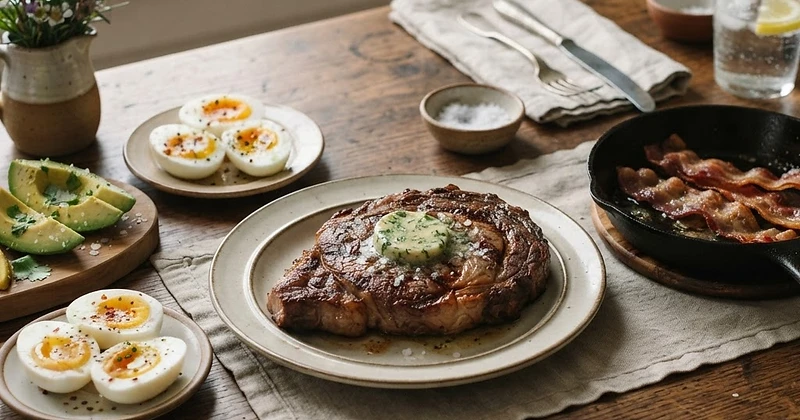
The ketovore diet is a strategic hybrid designed to bridge the gap. It places animal nutrition at the center of the plate—roughly 80% to 90% of total caloric intake—while allowing carefully chosen, low-toxicity plant foods as functional seasonings or occasional complements.
Unlike standard keto, ketovore completely rejects industrial seed oils, fake keto snacks, and high-antinutrient staples like almond flour or raw spinach. Unlike strict carnivore, ketovore permits culinary herbs, black coffee, raw garlic, avocado, or a handful of wild berries, offering a psychological and social "safety valve" that significantly boosts long-term sustainability.
Key Comparison: Ketovore vs Keto vs Carnivore
To help determine which protocol aligns with your goals, review this side-by-side comparison:
| Feature |
Standard Keto |
Ketovore (Animal-Based Keto) |
Strict Carnivore |
| Primary Focus |
Hitting macro ratios & ketosis |
Nutrient density, animal bio-availability, minimal plants |
Strict elimination of all plant foods & toxins |
| Carbohydrate Limit |
20–50g net carbs/day |
Under 10–15g total carbs/day |
Virtually 0g carbs/day |
| Plant Inclusion |
Abundant low-carb veg, nuts, seeds, alternative flours |
Minimal: low-toxicity fruits (avocado, olives), herbs, spices, fermented vegetables |
None allowed (0%) |
| Fat Sources |
Mixed: olive oil, seed/nut oils, butter, coconut, dairy |
Primarily animal fats: tallow, butter, suet, ghee, egg yolks |
Strictly animal fats |
| Macro Tracking |
Strict tracking required |
Mostly intuitive (eat to satiety on meat and fat) |
Intuitive (no macro tracking needed) |
| Social & Dining Flexibility |
Moderate |
Moderate to High |
Low |
Core Difference Between Ketovore and Carnivore
Why do so many veteran carnivores eventually shift toward ketovore? While strict carnivore is unparalleled for acute immune resets, long-term adherence can present challenges for some individuals:
- Electrolyte and Hormonal Balance: Prolonged zero-carb intake with very low insulin levels can occasionally lead to sodium wasting, muscle cramps, elevated cortisol, or thyroid downregulation in sensitive individuals. Small seasonal inclusions of low-glycemic plant carbohydrates or trace minerals can mitigate these symptoms.
- Culinary Variety & Adherence: Dining out or sharing meals with family on pure beef, salt, and water can become psychologically taxing. Ketovore allows for lemon butter reductions, rosemary on lamb chops, or a side of fermented sauerkraut without guilt.
- Gut Diversity: While many thrive without any dietary fiber, some individuals report smoother gastrointestinal motility when retaining small quantities of gentle, low-fermentable fiber such as avocado or fermented pickles.
How to Formulate an Authentic Ketovore Plate
On an animal-based keto protocol, your plate should never resemble standard vegetarian-heavy keto. Here is how to structure your daily fuel:
1. The Foundation (80–90% of Calories)
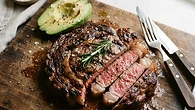
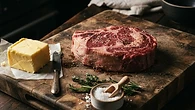
- Ruminant Meats: Grass-fed or grain-finished beef (ribeye, chuck roast, ground beef), lamb, bison, and venison.
- Pastured Poultry & Pork: Chicken thighs, pastured pork chops, pork belly, and uncured bacon.
- Wild Seafood: Salmon, sardines, mackerel, oysters, and shrimp for bioavailable omega-3 fatty acids.
- Eggs: Whole pasture-raised eggs (including yolks).
- Animal Fats: Butter, ghee, tallow, and marrow.
2. The Functional Additions (10–20% of Calories)
- Fruit-Botanicals: Avocados, peeled cucumbers, and olives.
- Fermented Foods: Small sides of traditional raw sauerkraut or kimchi (for probiotic support).
- Seasonings: Fresh herbs (rosemary, thyme, cilantro), organic spices, and pure unrefined sea salt.
- Beverages: Bone broth, black coffee, or herbal teas.
Step-by-Step Transition Guide: Moving Across the Spectrum
Phase 1: Transitioning from Standard Keto to Ketovore
If you are already in ketosis on a standard keto diet, transitioning to ketovore requires eliminating plant antinutrients and processed substitutes:
- Ditch Keto "Frankenfoods": Eliminate nut flours (almond flour baked goods), seed oil dressings, sugar alcohols, and industrial fiber syrups.
- Reprioritize Protein: Standard keto frequently under-doses protein out of fear of gluconeogenesis. Shift your meals to prioritize 1 to 1.2 grams of bioavailable animal protein per pound of ideal body weight.
- Reduce Leafy Greens: Phase out large raw salads and high-oxalate spinach; replace them with nourishing bone broth and tallow-roasted meat.
Phase 2: Transitioning from Strict Carnivore to Ketovore
If you have used carnivore to heal your gut and want to carefully reintroduce select plant compounds for lifestyle sustainability:
- Introduce One Food at a Time: Start with low-toxicity, low-carb options like half an avocado or culinary herbs cooked in butter.
- Track Symptoms for 72 Hours: Watch for bloating, joint stiffness, skin flare-ups, or brain fog. If no negative reaction occurs, keep that ingredient in your ketovore toolbox.
- Maintain Strict Boundaries: Keep plant foods strictly as accessories—never let them displace the primary animal nutrition on your plate.
Conclusion: Finding Your Sustainable Baseline
The choice between keto, carnivore, and ketovore is not about dogmatism; it is about finding the metabolic sweet spot where your body operates at peak efficiency. While standard keto provides general carb restriction and carnivore offers maximal therapeutic elimination, the ketovore diet represents an optimal, long-term balance for many high-performers—delivering the unmatched nutrient density of animal foods alongside real-world flexibility.
Sources & References
- Lennerz, B. S., et al. (2021). Behavioral Characteristics and Self-Reported Health Status among 2029 Adults Consuming a "Carnivore Diet." Current Developments in Nutrition.
- CookUnity Nutrition Analysis (2025). Keto vs. carnivore diet: Who comes out on top?
- Paleo Pro Research Staff (2026). Ketovore Diet Explained: The Carnivore-Keto Hybrid That's Actually Sustainable.
- GoCarnivore Clinical Insights (2025). Ketovore Diet: Pros and Cons, Food List, and Macro Ratios.