When modern diets, complex supplement stacks, and conventional elimination protocols fail to resolve stubborn chronic issues, many people find themselves stripping nutrition down to its bare essentials. At the absolute apex of dietary simplicity sits the lion diet protocol—a hyper-strict, meat-based therapeutic reset commonly referred to as the beef salt water diet.
Popularized by Mikhaila Peterson and her father, Dr. Jordan Peterson, the Lion Diet takes the principles of carnivore eating and strips out dairy, poultry, pork, seafood, eggs, and seasonings. What remains is a pure, hyper-focused baseline designed to give the digestive tract and immune system complete respite from modern dietary irritants.
Whether you are dealing with chronic gut inflammation, autoimmune flare-ups, brain fog, or persistent metabolic resistance, this comprehensive guide will explain how to start lion diet eating safely, sustainably, and effectively.
What Is the Lion Diet Protocol?
The Lion Diet is an uncompromising, hyper-elimination protocol consisting entirely of:
- Meat from ruminant animals (most commonly beef, but also lamb, bison, venison, and goat)
- Pure water
- Non-iodized or unrefined salt
Unlike a broad carnivore diet—which allows chicken, bacon, butter, heavy cream, cheeses, and fish—the Lion Diet eliminates every secondary animal product that could potentially trigger food sensitivities, histamine intolerance, or subclinical allergies. By reducing your dietary input to virtually a single nutritional variable (ruminant flesh and fat), you isolate triggers and create an optimal biochemical baseline for systemic recovery.
Why Ruminants Only?
Ruminant animals possess specialized, multi-chambered stomachs designed to ferment and break down plant fiber completely. As a result, they filter out problematic plant lectins, oxalates, and defensive compounds. Furthermore, monogastric livestock like pigs and poultry absorb polyunsaturated fatty acids (PUFAs) and grains directly into their fat tissue, whereas ruminants naturally saturate dietary fats through biohydrogenation, producing an exceptionally clean fatty acid profile.
The Official Lion Diet Food List
Simplicity is both the greatest strength and the primary challenge of this protocol. When building your shopping cart, stick exclusively to this lion diet food list:
Allowed Foods
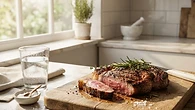
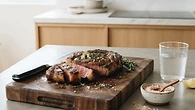
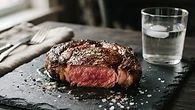
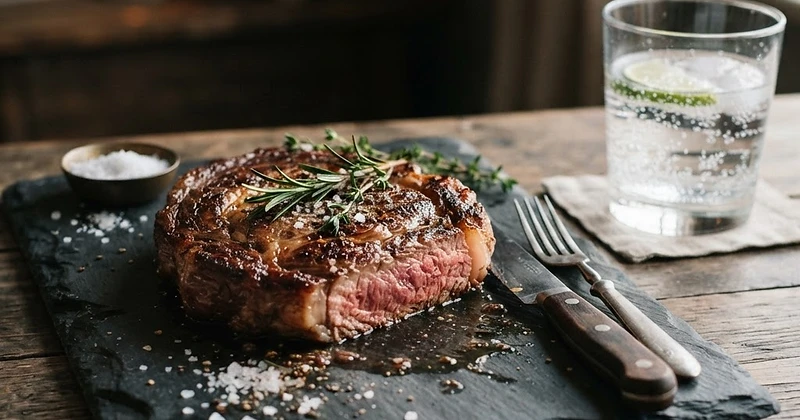
- Beef: Ribeyes, chuck roasts, brisket, ground beef (aim for 80/20 or 73/27 fat ratios), short ribs, New York strips, flank steak, and beef tallow (pure rendered beef fat).
- Lamb & Mutton: Lamb chops, shanks, shoulder roasts, ground lamb. (Lamb is naturally tender, rarely wet-aged, and often easier to tolerate for histamine-sensitive individuals.)
- Bison & Buffalo: Ground bison, bison ribeyes, and steaks.
- Venison & Game: Deer, elk, and moose (must be paired with extra ruminant tallow, as wild game is exceptionally lean).
- Goat: Chops, roasts, and stew meats.
- Salt: Unrefined sea salt, Himalayan pink salt, or mined rock salts (such as Redmond Real Salt).
- Water: Filtered tap water, spring water, or plain carbonated mineral water.
Strictly Prohibited
- All plants (vegetables, fruits, herbs, spices, grains, legumes, sugars)
- Coffee, teas, and non-water beverages
- Pork and poultry (chicken, turkey, duck, pork belly, bacon)
- Eggs (both whites and yolks)
- Dairy products (milk, cheese, yogurt, whey, and even butter or ghee)
- Processed oils, chemical preservatives, marinades, and vinegars
How to Start Lion Diet Protocol: Step-by-Step
Transitioning into a zero-carb, pure-ruminant protocol requires practical preparation. Follow this roadmap to make your transition smooth and sustainable.
Step 1: Choose Cold Turkey vs. Weaning
If you currently eat a standard carbohydrate-rich diet, diving straight into beef and water can cause sudden electrolyte shifts and intense withdrawal symptoms (often termed the "keto flu"). You may choose to spend two to three weeks tapering off refined carbohydrates and seed oils first. However, if severe autoimmune or gut symptoms demand immediate relief, transitioning cold turkey into ruminant meat provides the fastest clean slate.
Step 2: Prioritize Dietary Fat to Prevent "Protein Poisoning"
The human body requires an energy substrate: carbohydrates or fat. On the Lion Diet, carbohydrates are zero, meaning your body must run on fatty acids and ketone bodies. Relying solely on lean meat like sirloin or chicken breast can cause rapid protein toxicity (sometimes called rabbit starvation).
Make sure at least 65% to 75% of your daily calories come from healthy animal fat. Choose fatty cuts like ribeye, short ribs, and 80/20 ground beef. If your meat is lean, top your dishes with generous spoonfuls of rendered beef tallow.