Discover how the Lion Diet elimination protocol works as the ultimate metabolic and immune reset. Learn to navigate keto adaptation, manage histamine sensitivity, and systematically reintroduce foods.
We only share products we believe in. Buying through a link may earn us a small commission — thanks for the support. Learn more →
When standard anti-inflammatory and elimination protocols fail to resolve stubborn chronic conditions, many individuals turn to the most restrictive hyper-elimination framework available: the Lion Diet. Popularized as an uncompromising variation of the carnivore elimination diet, the Lion Diet strips nutrition down to its elemental core to remove virtually all plant toxins, antinutrients, allergens, and common dietary triggers.
However, running a protocol this restrictive requires precision. Transitioning into deep ketosis on ruminant meat alone induces physiological shifts that can catch beginners off guard, and underlying issues like histamine intolerance frequently complicate progress. This guide delivers a structured, practical, and authority-backed walkthrough of the Lion Diet protocol—from initial adaptation and side-effect troubleshooting to a clinical-grade reintroduction strategy.
What Is the Lion Diet Elimination Diet?
The Lion Diet is a specialized, zero-plant elimination protocol focused entirely on ruminant animal meat, unrefined salt, and water. Unlike a standard carnivore diet—which may permit eggs, dairy, pork, poultry, and seafood—the Lion Diet deliberately removes all monogastric animals and animal-derived allergens.
Permitted Foods
- Ruminant meats: Beef, lamb, bison, venison, goat, elk, and moose (ideally prioritizing fatty cuts).
- Ruminant animal fats: Beef tallow, suet, and lamb tallow for cooking or adjusting fat ratios.
- Water: Filtered, non-carbonated or mineral water.
- Salt: Unrefined salt (such as Redmond Real Salt or sea salt) free of anti-caking agents.
Strictly Excluded Foods
- All plant matter: grains, legumes, vegetables, fruits, seeds, nuts, and spices.
- Dairy products: milk, butter, ghee, cheese, and heavy cream.
- Monogastric proteins: pork, bacon, chicken, and turkey.
- Seafood: all fish, shellfish, and mollusks.
- Eggs (both whites and yolks).
- All processed oils, marinades, alcohol, coffee, and teas.
By confining intake exclusively to multi-stomached ruminant animals, the protocol minimizes exposure to linoleic acid-heavy feed conversions found in poultry and pork, lectins, oxalates, nightshades, and complex allergens. Standard clinical protocols—such as those described by Malone and Daley (2024) on elimination diets—emphasize removing dietary antigens for 4 to 6 weeks to establish a baseline of health before testing tolerance.
Phase 1: Adaptation and Navigating Lion Diet Side Effects
Transitioning into a pure ruminant fat-and-protein metabolic state shifts your body from glucose dependence to nutritional ketosis. While this drives down systematic inflammation, the initial adaptation window (typically days 3 to 21) can produce notable Lion Diet side effects.
1. The "Keto Flu" and Electrolyte Dumping
When dietary carbohydrates drop to zero, circulating insulin decreases significantly. The kidneys respond by rapidly excreting stored glycogen along with water and sodium. Symptoms include headaches, postural lightheadedness, lethargy, muscle cramps, and heart palpitations.
Solution: Salt your meat generously. Many practitioners require 5 to 7 grams of unrefined salt per day during early adaptation to offset urinary electrolyte excretion.
2. Digestive Disturbances: Diarrhea vs. Constipation
Bowel changes are among the most common early challenges on a carnivore elimination diet:
- Diarrhea / Loose Stools: Usually triggered by sudden increases in dietary fat before the gallbladder and liver ramp up bile production, or by unabsorbed rendered fat rushing through the colon. Consume fat in solid form (e.g., cold trimmings, tallow) rather than drinking hot rendered pans drippings.
- Infrequent Bowel Movements: Pure meat is almost entirely digested in the small intestine, leaving minimal residue for fecal bulk. Having a bowel movement every 2 to 4 days without pain, straining, or bloating is normal physiological efficiency, not true constipation.
3. Cold Turkey vs. Weaning In
As outlined in the foundational guidance on The Lion Diet Get Started Protocol, going cold turkey directly from a Standard American Diet can trigger intense detox reactions and carb cravings. A progressive approach—stepping down first from keto to standard carnivore, and finally to ruminant-only—often improves compliance and reduces digestive stress.
Phase 2: Identifying and Managing Histamine Intolerance
One of the most perplexing challenges newcomers face is experiencing allergic or inflammatory symptoms despite eating only beef. This is almost invariably driven by histamine intolerance.
Histamine is a biogenic amine produced during the breakdown of histidine, an amino acid abundant in animal protein. The vast majority of beef purchased at supermarkets, local butcher shops, and commercial purveyors has been dry-aged or wet-aged for 14 to 35 days to enhance tenderness. This aging process dramatically elevates histamine levels.
Signs of Histamine Overload on Ruminant Meat
- Facial flushing, hot flashes, or hives after meals
- Sudden nasal congestion, runny nose, or post-nasal drip while eating
- Racing heartbeat (tachycardia) or anxiety 30 to 60 minutes post-prandial
- Insomnia and night waking, frequently between 2:00 AM and 4:00 AM
- Persistent unexplained diarrhea or abdominal cramping
Actionable Histamine Management Strategies
- Source Unaged Meat: Request fresh, unaged cuts directly from a local processor, or order from specialty regeneratively-farmed beef providers that flash-freeze meat immediately post-slaughter.
- Avoid Slow Cooking and Bone Broths: Long cooking times concentrate histamines. Skip bone broths, crockpots, and multi-hour braises. Instead, opt for quick-cooking methods like pan-searing, grilling, or air-frying frozen cuts.
- Freeze Leftovers Immediately: Histamines multiply as cooked meat sits in the refrigerator. Plate what you intend to eat immediately and freeze leftover portions in airtight bags right away.
- Consider Diamine Oxidase (DAO): Individuals with damaged gut enterocytes often lack sufficient endogenous DAO enzymes to break down dietary histamines. Supplemental DAO taken immediately before meals can provide temporary enzymatic support while the gut lining repairs.
Phase 3: The 7-Day Lion Diet Meal Plan
A simple, repeatable lion diet meal plan removes decision fatigue while keeping your macronutrients properly anchored toward fat for steady ketone production and satiety.
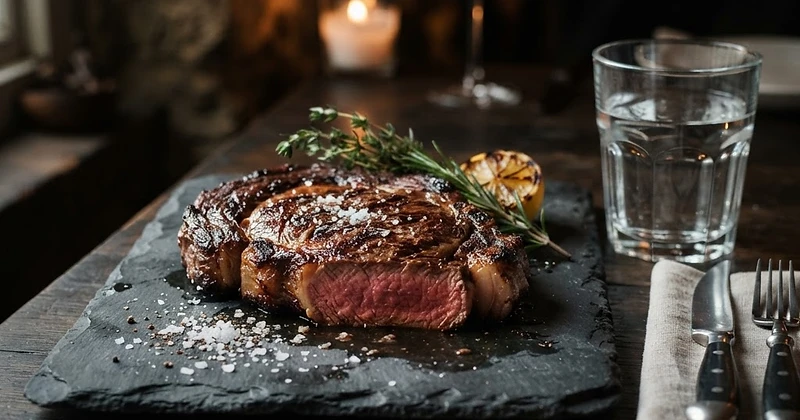
- Day 1: Lunch: 1 lb 80/20 pan-seared ground beef, salted to taste. Dinner: 14 oz grilled ribeye steak with a side of chilled beef suet.
- Day 2: Lunch: 12 oz braised lamb shoulder chops cooked simply in water and unrefined salt. Dinner: 1 lb ground bison patties seared in tallow.
- Day 3: Lunch: 14 oz slow-roasted beef chuck roast (unaged, cooked quickly in a pressure cooker to mitigate histamines). Dinner: 1 lb seared 75/25 ground beef burgers.
- Day 4: Lunch: 1 lb lamb leg steaks pan-fried in lamb tallow with coarse sea salt. Dinner: 16 oz New York strip steak paired with cold tallow.
- Day 5: Lunch: 1 lb ground venison blended with added beef kidney suet/tallow (aiming for an 80/20 fat ratio). Dinner: 14 oz ribeye steak with unrefined salt.
- Day 6: Lunch: 12 oz lamb loin chops seared crisp on the fat cap. Dinner: 1 lb 80/20 ground beef cooked as crispy smashed patties.
- Day 7: Lunch: 1 lb beef skirt steak or flank steak sliced thin and seared in tallow. Dinner: 16 oz bone-in ribeye steak seasoned with coarse mineral salt.
Phase 4: The Systematic Reintroduction Protocol
The Lion Diet is an investigative tool designed to help you achieve a symptom-free baseline. As health organizations like the Cleveland Clinic point out, prolonged hyper-restriction without medical monitoring or structured reintroduction can unnecessarily narrow your nutritional landscape over time. Once you maintain a stable baseline for at least 30 to 90 days, you can begin systematic testing.
The Golden Rules of Reintroduction
- Test One Single Food at a Time: Never reintroduce combination meals (e.g., avoid introducing butter and eggs simultaneously). If a reaction occurs, you must know the exact culprit.
- Use the 3-to-4 Day Washout Window: Immune-mediated responses (IgG-mediated sensitivities, inflammatory joint aches, gut permeability issues) can take up to 72 hours to manifest. Never introduce a second food until day 4 or 5 after a successful challenge.
- Challenge in Incremental Quantities: Consume a small portion (e.g., one bite or 1 teaspoon) on day 1. If no reaction appears within 2 hours, eat a normal portion with dinner. Monitor closely for the next 3 days without changing any other variables.
Recommended Hierarchy of Reintroduction
When re-expanding your nutritional perimeter, reintroduce foods in order of lowest immunological reactivity to highest:
- Tier 1 (Lowest Reactivity): Other animal meats (pasture-raised chicken, pork, duck), low-mercury wild-caught fish (salmon, mackerel, sardines), and pure raw unpasteurized honey.
- Tier 2 (Moderate Reactivity - Animal Byproducts): Pasture-raised egg yolks (whites contain avidin and lysozyme, which frequently trigger immune reactions; test yolks first), followed by whole eggs.
- Tier 3 (Dairy Spectrum): Pure clarified butter (ghee, free of milk solids), followed by grass-fed butter, heavy cream, aged hard cheeses, and finally fermented dairy (kefir/yogurt).
- Tier 4 (Low-Toxicity Plant Foods): Peeled and deseeded squash, peeled cucumbers, cooked white rice, or thoroughly peeled root vegetables like parsnips and sweet potatoes.
- Tier 5 (High Reactivity - Proceed with Caution): Nightshades (tomatoes, peppers, potatoes), gluten-containing grains, industrial seed oils, pasteurized liquid milk, soy, and tree nuts.
If an adverse reaction occurs—such as brain fog, joint pain, skin breakouts, or digestive bloating—immediately halt the test, return to your Lion Diet baseline until symptoms resolve completely, and record the food as a trigger in your personal log.
The Bottom Line: Transforming Your Health with Intention
The Lion Diet protocol is the ultimate nutritional reset button. By eliminating biological noise, stabilizing blood sugar, and providing the gut mucosa an uninterrupted window to rebuild, it offers a reliable framework for addressing complex systemic distress. Use it methodically: honor the adaptation phase, manage histamines proactively, and reintroduce foods with clinical discipline to design a sustainable, lifelong dietary approach tailored directly to your biology.
Sources & References