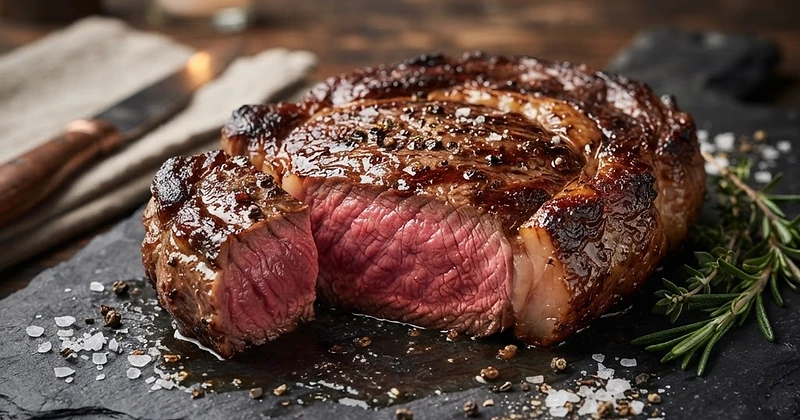
Struggling with low energy, brain fog, or loose stools in week one of the Lion Diet? Learn why adaptation symptoms happen and how to correct electrolyte dumps and fat digestion.
We only share products we believe in. Buying through a link may earn us a small commission — thanks for the support. Learn more →
Committing to the Lion Diet—a strict elimination protocol consisting exclusively of ruminant meat (primarily beef, lamb, bison, and venison), water, and salt—is one of the most powerful nutritional resets available. Originally popularized by Mikhaila Peterson, this ultra-pure carnivore protocol strips away all potential plant toxins, antinutrients, seed oils, additives, and common allergens.
However, radically paring your intake down to ruminant meat triggers an aggressive physiological shift. During week one, many beginners run headlong into unpleasant lion diet side effects, most notably profound lion diet fatigue and urgent bouts of carnivore diarrhea. If you feel exhausted, dizzy, or are running to the bathroom multiple times a day, take heart: your body is undergoing radical metabolic adaptation, and these symptoms are both common and manageable.
The Biology of Lion Diet Adaptation: Why Week One Hits So Hard
The transition from a standard modern diet or even a moderate-carbohydrate diet to an exclusive ruminant meat regimen requires massive enzymatic, hormonal, and cellular rewiring. Two primary physiological mechanisms explain why the first seven days are often turbulent:
1. Glycogen Depletion and the Electrolyte Dump
Every gram of glycogen stored in human liver and skeletal muscle holds roughly three to four grams of water. As carbohydrate intake drops to zero, your body swiftly burns through its remaining glycogen reserves. As circulating insulin levels drop, the kidneys receive a biochemical signal to excrete vast amounts of stored water along with essential electrolytes—particularly sodium, potassium, and magnesium.
This sudden fluid shift is the chief driver of lion diet fatigue, muscle weakness, headaches, and lightheadedness. Without adequate sodium to maintain vascular volume, cellular energy production drops, mimicking severe flu-like lethargy.
2. The Gut Microbiome Die-Off and Bile Mismatch
Your digestive tract houses trillions of microorganisms adapted to fermenting dietary carbohydrates and plant fibers. When you abruptly remove fiber and starches, carbohydrate-loving bacteria starve and die off rapidly, altering your gut environment. In their place, bile-tolerant, fat-metabolizing microbes must proliferate, a shift detailed in emerging clinical perspectives on animal-based diets like the scoping review by Lietz et al. (2026).
Simultaneously, the sudden flood of dietary animal fats demands a massive increase in bile production from the liver and concentrated release from the gallbladder. If your liver and gallbladder cannot ramp up bile and pancreatic lipase synthesis quickly enough, unabsorbed fatty acids transit into the colon. These unabsorbed fats draw water into the bowel through an osmotic effect, resulting in watery, sudden diarrhea.
Tackling Week One Lion Diet Fatigue
Experiencing a heavy, leaden feeling in your limbs or afternoon brain fog does not mean the Lion Diet is failing; it means your metabolic machinery is still learning to oxidize fatty acids into ketones efficiently. Use these strategies to restore vitality:
- Increase Unrefined Salt Substantially: Most people severely undersalt their food during the early stages. Aim for at least 5 to 7 grams of high-quality unrefined salt (such as Redmond Real Salt or Celtic sea salt) daily. Dissolving a pinch of salt directly on your tongue or drinking warm salted water can resolve fatigue and brain fog within 30 minutes.
- Eat Enough Fat for Fuel: Lean beef will leave you drained. If you choose extra-lean cuts, you will suffer from an energy deficit because protein alone is an inefficient primary energy source. Ensure you are consuming fatty ruminant cuts—such as 80/20 or 73/27 ground beef, ribeye steaks, lamb roasts, and brisket.
- Prioritize Sleep and Lower Training Volume: Do not attempt personal records in the gym during week one. Your mitochondria are switching fuels from glucose to ketone bodies and fatty acids. Keep physical exertion limited to brisk walks and light mobility work until baseline stamina returns.
Resolving Carnivore Diarrhea and Digestive Upsets
Bowel changes on an all-meat diet can swing toward either extremes, but loose, watery stools are the most frequent complaint in the initial 7 to 14 days. As noted by clinical practitioner Dr. Robert Kiltz, addressing both the electrolyte balance and fat intake velocity can quickly bring digestion back into balance.
Watch Rendered vs. Solid Fat
How you consume your fat makes a tremendous difference to an unadapted digestive tract. Hot, liquid fat (rendered tallow, drippings in the bottom of an air fryer or pan) rushes through the pyloric sphincter and into the small intestine virtually instantaneously, easily overwhelming bile capacity.
- Cool your meat: Allow steaks or burger patties to rest until warm or cool so the animal fat solidifies slightly before eating.
- Ditch the liquid tallow broth: Avoid drinking the liquid drippings left in the pan during week one. Instead, eat meat cuts with well-marbled, solid fat attached.
Separate Water from Meals
Chugging massive glasses of ice water right before, during, or immediately following a meal dilutes stomach acid (hydrochloric acid) and interferes with the early enzymatic breakdown of animal proteins and fats. Cease water intake roughly 30 minutes before eating, and wait 45 to 60 minutes after your meal before drinking again.
Temporary Digestive Aids
If loose stools persist and cause severe lifestyle disruption, short-term support may be warranted. Many carnivore practitioners suggest temporary supplementation with an unflavored ox bile extract or a broad-spectrum lipase enzyme taken directly before fatty meals to bridge the gap until endogenous bile secretion catches up.
The Adaptation Timeline: What to Expect
Adaptation is rarely an overnight event; it follows a predictable trajectory:
- Days 1–3: Glycogen stores empty. You may notice rapid water weight loss, paired with mild headaches, salt cravings, and increased urination.
- Days 4–7: The peak of transition turbulence. Gut flora shifts occur, and loose stools or acute lethargy often manifest as insulin reaches baseline levels.
- Days 8–14: The digestive tract begins to stabilize. Bowel frequency reduces significantly because meat is absorbed almost entirely in the small intestine, leaving minimal bulk waste. Energy stabilizes as fat oxidation improves.
- Weeks 3–6: Full fat-adaptation is underway. Mental clarity sharpens, sustained stamina emerges without mid-day crashes, and systemic inflammation visibly subsides.
When to Seek Medical Attention
While mild cramping, loose stools, and low energy are standard markers of the lion diet adaptation period, you should monitor your body closely. If you develop blood or mucus in the stool, high fevers, intractable vomiting, severe localized abdominal pain, or signs of profound dehydration (dizziness upon standing, unquenchable thirst, dark brown urine), seek guidance from a qualified healthcare professional immediately.
Actionable Steps to Survive Your First Week
- Liberally Salt Everything: Keep sea salt within arm's reach. Add it generously to each cut of beef, lamb, or venison.
- Eat Ruminant Meat to Satiety: Do not count calories or restrict portions. Eat when hungry until comfortably full. Undereating accelerates fatigue.
- Choose Solid Animal Fats: Skip drinking hot rendered pan juices for the first two weeks; favor cold or solid fat trimmings.
- Stay Patient: Remind yourself that metabolic and microbiome reorganization takes time. Keep a daily symptom journal to track your upward trajectory over the coming weeks.
Sources & References
- Mikhaila Peterson / The Lion Diet Official FAQ – Guidelines, elimination philosophy, and common transition reactions.
- The Lion Diet: How to Wean Into the Lion Diet – Strategic protocols for transitioning from standard omnivorous diets to ruminant nutrition.
- Lietz, A., Dapprich, J. & Fischer, T. (2026). Carnivore Diet: A Scoping Review of the Current Evidence, Potential Benefits and Risks. Nutrients, 18(2), 348. – Examination of metabolic shifts, microbiome adaptations, and digestive outcomes on zero-carb dietary models.
- Kiltz, R. (2023). 7 Most Common Carnivore Diet Side Effects and How to Overcome Them – Analysis of electrolyte wasting, bile production deficits, and digestive transition protocols.
- PaleoPro: Carnivore Diet Diarrhea and Digestive Issues – Practical approaches to bile acid diarrhea, rendered fat mitigation, and fluid timing.