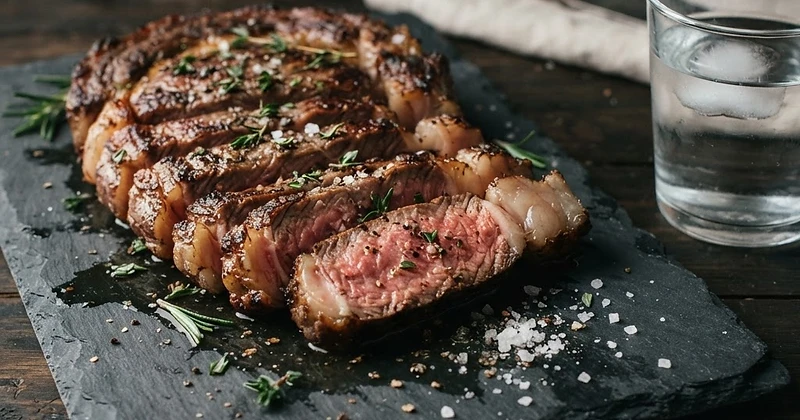
When standard anti-inflammatory regimens and conventional elimination protocols fall short, many individuals look toward the most focused dietary reset available: the Lion Diet. Often referred to simply as the beef, salt, and water diet, this regimen strips human nutrition down to its foundational elements.
By removing plant defense chemicals, antinutrients, seed oils, histamine-dense aged dairy, and common food allergens, the Lion Diet acts as an ultimate metabolic reset button. Whether you are dealing with chronic gut distress, autoimmune flare-ups, or brain fog, understanding how to start the lion diet safely is the first step toward finding your physiological baseline.
What Is the Lion Diet Protocol?
Popularized by Mikhaila Peterson and embraced across the zero-carb and carnivore communities, the Lion Diet protocol is an ultra-strict subset of the carnivore diet. While a standard carnivore approach permits eggs, poultry, seafood, pork, and sometimes dairy, the Lion Diet restricts your consumption to three components:
- Meat from ruminant animals: Primarily beef, but also lamb, bison, venison, goat, and elk.
- Salt: High-quality, unrefined salt (such as sea salt or mined rock salt).
- Water: Pure, filtered or sparkling spring water.
As covered in clinical overviews of therapeutic regimens by the Cleveland Clinic, eliminating all variables outside of ruminant meat removes almost every recognized dietary irritant, including gluten, nightshades, lectins, oxalates, and synthetic additives.
Why Focus Exclusively on Ruminants?
Ruminant animals possess specialized, multi-chambered stomachs containing complex microbial ecosystems that ferment plant cellulose into bioavailable saturated and monounsaturated fatty acids. Because ruminants process plant compounds thoroughly, their tissues harbor far fewer reactive defense chemicals and present a superior, highly bioavailable fatty acid and micronutrient profile compared to monogastric animals like pigs or factory-farmed poultry.
The Core Benefits: Why Try a 30-Day Reset?
While peer-reviewed research specifically examining the Lion Diet continues to emerge, broader investigations into zero-carbohydrate and carnivore approaches demonstrate notable findings. For example, a landmark survey conducted by researchers at Harvard University and indexed by the National Institutes of Health (PMC8684475) observed that adults adhering to pure carnivore patterns reported marked improvements in autoimmune symptoms, digestive issues, and overall metabolic markers.
- Radical Digestive Relief: Without insoluble fibers, fermentable carbohydrates (FODMAPs), or lectins, your gastrointestinal tract experiences minimal mechanical irritation, giving an inflamed gut lining an environment to recover.
- Immune System Downtime: Removing common immune triggers lets systemic inflammation recede, often bringing relief to chronic joint discomfort and persistent skin conditions like psoriasis or eczema.
- Mental Clarity and Stable Mood: By removing processed sugars, food dyes, and blood glucose fluctuations, the steady state of mild ketosis provides consistent fuel to the brain.
Your 30-Day Lion Diet Protocol: A Step-by-Step Blueprint
Executing this regimen requires preparation and commitment. Use this 30-day timeline to guide your transition.
Phase 1: Preparation (Days 1–3)
Before jumping in, clear your pantry and secure your food supply:
- Stock up on staple cuts: Ground beef (80/20 or 75/25), chuck roasts, ribeyes, flank steaks, and brisket. Ground beef and chuck roasts are economical options for daily adherence.
- Choose your salt: Opt for natural, unrefined sea salt or pure mined salt without added anti-caking agents.
- Assess cold turkey vs. weaning: According to guidance from The Lion Diet FAQ, diving straight in can provoke intense cravings or electrolyte shifts. If you currently eat a standard diet, consider a 1-to-2 week ramp-down eliminating grains, sugars, and dairy before day one.
Phase 2: The Adaptation Phase (Days 4–14)
The first two weeks mark your body’s shift from glucose dependency to fat-fueled metabolism. During this phase, you may encounter the "keto flu" or sudden bowel changes as your microbiome shifts away from fiber-fermenting bacteria.