Lion Diet for Beginners: The Complete Guide to Eating Only Beef, Salt, and Water
← All articles
Diet BasicsLion

Lion Diet for Beginners: The Complete Guide to Eating Only Beef, Salt, and Water

Curious about the ultimate carnivore elimination protocol? Learn the rules, benefits, meal prep tips, and safety considerations of the Lion Diet for beginners.

By Editorial Team

We only share products we believe in. Buying through a link may earn us a small commission — thanks for the support. Learn more →

In the evolving landscape of animal-based eating, few protocols have generated as much curiosity and radical healing testimonials as the Lion Diet. Often referred to as the ultimate carnivore elimination diet, this lifestyle strips nutrition down to the absolute bare essentials: ruminant meat, salt, and water.

While traditional carnivore allows for eggs, bacon, poultry, dairy, and seafood, the Lion Diet narrows the scope entirely to ruminant animals (primarily beef, lamb, and bison). Popularized by lifestyle blogger Mikhaila Peterson to overcome severe autoimmune and digestive disorders, this approach serves as a definitive biological baseline. If you are struggling with chronic inflammation, unexplained food intolerances, or stubborn gut distress, this comprehensive guide covers everything you need to know about starting the beef salt water diet safely and effectively.

What Is the Lion Diet?

The Lion Diet is an ultra-strict, hyper-targeted elimination diet. Most standard elimination protocols (such as the Autoimmune Protocol or Low-FODMAP) simply remove common plant allergens like gluten, soy, nightshades, and dairy. However, many individuals with severe systemic inflammation or "leaky gut" still experience micro-reactions to plant antinutrients (oxalates, lectins, phytates) or histamines found in common carnivore staples like aged bacon and canned fish.

By relying exclusively on ruminant animals, the Lion Diet provides complete, bioavailable nutrition while removing virtually every known dietary trigger. Ruminants—animals with specialized multi-compartment stomachs, such as cattle, sheep, and bison—ferment fibrous plants into nutrient-dense, easily digestible fatty acids and proteins. Their meat is uniquely well-tolerated by the human digestive tract.

Strict Lion Diet Rules: What You Can and Cannot Consume

The beauty of this protocol lies in its radical simplicity. There is no calorie counting, macronutrient tracking, or complex recipe planning. However, adhering to the strict lion diet rules requires complete discipline.

Foods Allowed on the Lion Diet

  • Ruminant Meat: Primarily beef, but also lamb, goat, bison, elk, and deer. You can eat muscle meat, ground meat, and ruminant organ meats (such as liver or heart).
  • Ruminant Fat: Rendered beef tallow, lamb tallow, or suet from ruminant animals (used for cooking or increasing caloric density).
  • Pure Salt: High-quality, unrefined salt such as Redmond Real Salt, Celtic sea salt, or Himalayan pink salt without anticaking agents.
  • Water: Filtered water, still spring water, or unflavored sparkling mineral water.

Foods Strictly Prohibited

  • Non-Ruminant Animal Foods: Pork, chicken, turkey, duck, seafood, shellfish, and farmed fish.
  • All Dairy: Milk, cheese, heavy cream, yogurt, butter, and ghee (ghee is dairy-derived and can still trigger sensitive individuals).
  • Eggs: Egg whites and yolks alike (a frequent, hidden autoimmune allergen).
  • All Plant Foods: Vegetables, fruits, grains, nuts, seeds, legumes, and nightshades.
  • Condiments and Spices: Black pepper, garlic powder, hot sauces, mustard, vinegar, and marinades.
  • All Other Beverages: Coffee (including decaf), tea, bone broth made with vegetables, energy drinks, and alcohol.

Why Do People Try It? The Primary Benefits

According to research highlighted by Cleveland Clinic and meat-based clinical advocates like Kiltz Health, the primary utility of the Lion Diet is therapeutic elimination. People generally adopt this protocol for three primary reasons:

1. Gut Permeability and Inflammation Reset

Removing plant fiber, plant defense chemicals, and complex additives gives the epithelial lining of the intestines a chance to recover. Without fermentable carbohydrates feeding dysbiotic bacteria, common symptoms like bloating, severe gas, and abdominal pain often resolve quickly.

2. Identifying Root-Cause Food Sensitivities

A true elimination protocol provides an unclouded baseline. By subsisting exclusively on beef, salt, and water for 30 to 90 days, you give your immune system time to quiet down. When you eventually reintroduce foods one by one, your body will give you unmistakable feedback on what triggers your symptoms.

3. Mental Clarity and Autoimmune Symptom Relief

Many community members report dramatic reductions in brain fog, mood fluctuations, joint stiffness, and skin flare-ups (such as eczema or psoriasis). Eliminating glycemic swings, seed oils, and reactive proteins allows systemic markers of inflammation to drop substantially.


Join the Community

Create your free account to access personalized targets, daily tracking, and lifestyle guidance tailored to your diet path.

Sign Up Free

How to Start the Lion Diet: A Practical Step-by-Step Guide

Transitioning into a pure ruminant diet requires intentional preparation, especially if you are shifting from a standard carbohydrate-rich diet.

Step 1: Prioritize Fat Over Lean Meat

One of the most critical beginner mistakes is eating cuts that are too lean, such as chicken-breast substitutes like lean ground sirloin or eye of round. On a zero-carb diet, fat is your primary source of fuel. Eating exclusively lean protein without adequate fat can lead to nausea, lethargy, and a metabolic state known historically as "rabbit starvation" or protein toxicity. Target an approximate 70/30 to 80/20 caloric ratio of fat to protein by choosing cuts like ribeye, chuck roasts, 73/27 or 80/20 ground beef, and short ribs.

Step 2: Hydrate and Replenish Sodium

When you eliminate carbohydrates, your insulin levels fall, signaling your kidneys to flush stored water and sodium. To avoid the dreaded "keto flu" (headaches, lightheadedness, and leg cramps), salt your meat generously to taste. In the first few weeks, drinking warm water with a pinch of pure mineral salt can dramatically ease your transition.

Step 3: Keep Meals Simple

A typical day on the Lion Diet does not require complicated meal timing. Most people eat two to three satiating meals per day:

  • Breakfast: Half a pound to one pound of 80/20 ground beef cooked in its own rendered fat, seasoned liberally with sea salt.
  • Lunch (optional): Slices of cold leftover chuck roast or a quick pan-seared lamb chop.
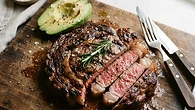
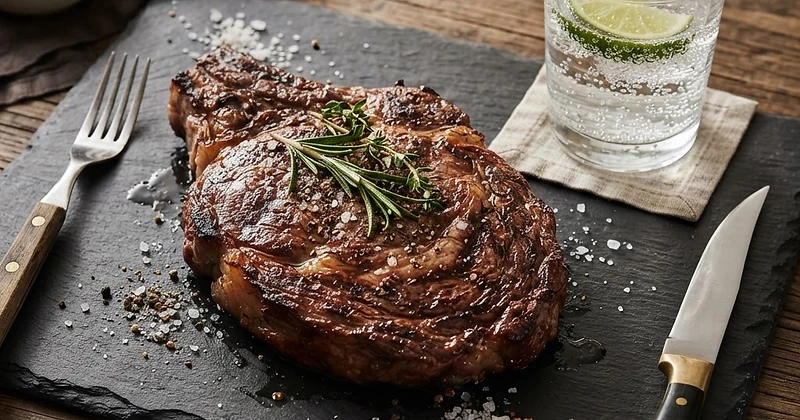
  • Dinner: A thick-cut pan-seared or grilled ribeye steak with coarse salt.

Managing the Transition Phase: What to Expect

During the first one to three weeks, your metabolism is adapting to utilizing fatty acids and ketone bodies instead of dietary glucose. Expect some temporary disruptions:

  • Digestion Fluctuations: Your gallbladder and digestive enzyme production must adjust to handling higher loads of dietary animal fat. Mild diarrhea or transient constipation can occur; adjust your fat-to-protein ratio until your bowel movements normalize.
  • Carbohydrate Withdrawal: Cravings for sweets, bread, or coffee usually peak around days 3 through 7. Stay full on fatty beef to counteract hunger-driven cravings.
  • Fatigue: Your physical endurance in the gym may dip slightly during the first two weeks as your mitochondria adapt to fat oxidation. Prioritize rest, electrolytes, and adequate sleep.

How to Reintroduce Foods Safely

The Lion Diet was designed primarily as a baseline protocol, not necessarily a lifetime sentence (though some individuals choose to remain on it long-term). Clinical dietitians recommend sticking to strict Lion Diet rules for a minimum of 30 to 60 days, or until your primary symptoms have stabilized.

When you are ready to test new foods, follow a methodical reintroduction protocol:

  1. Test One Food at a Time: Begin with gentle animal products such as egg yolks, pasture-raised butter, or wild-caught salmon.
  2. Introduce in Isolation: Consume a small portion of the new food alongside your standard beef meal once daily for three consecutive days.
  3. Observe for Reactions: Monitor your body for 72 hours. Watch for digestive changes, skin outbreaks, joint pain, mood shifts, or sleep disruption.
  4. Decide to Keep or Discard: If no adverse reaction occurs, that food can safely enter your regular rotation. If you react poorly, eliminate it immediately, return to strict Lion Diet for 7 to 10 days to re-stabilize, and try a different food later.

Is the Lion Diet Right for You?

The Lion Diet is an uncompromising, powerful tool for people who have exhausted standard dietary interventions without finding relief. By stripping away biological background noise down to beef, salt, and water, it provides unmatched clarity on how food directly impacts your physiology. If you choose to embark on this journey, source the best fatty ruminant meat you can afford, salt your meals well, and listen closely to what your body tells you.

Sources & References

Sources & References

Join the Community

Create your free account to access personalized targets, daily tracking, and lifestyle guidance tailored to your diet path.

Sign Up Free

We use cookies and similar technologies to operate the site and improve your experience. By continuing, you agree to our use of non-essential cookies. See our Privacy Policy.