Learn the step-by-step Lion Diet reintroduction protocol to safely add foods back into your diet, identify hidden triggers, and build a sustainable long-term eating plan.
We only share products we believe in. Buying through a link may earn us a small commission — thanks for the support. Learn more →
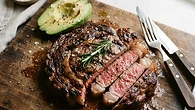
The Lion Diet—an ultra-strict elimination regimen consisting exclusively of ruminant meat (beef, lamb, bison, venison), salt, and water—has earned a reputation as the ultimate metabolic and immune reset. Popularized as an intervention for severe autoimmune flares, intractable gut dysbiosis, and chronic joint pain, it strips human nutrition down to its simplest, least reactive baseline. However, as medical literature and clinical nutritionists note, the Lion Diet was designed primarily as a diagnostic elimination protocol rather than an indefinite sentence.
Once your chronic symptoms subside and baseline health stabilizes, the next phase begins: the food reintroduction protocol. Rushing this stage risks reigniting system-wide inflammation and muddying your diagnostic data. Executed correctly, a methodical reintroduction empowers you to build an individualized, nutrient-dense diet without triggering relapse. Here is the authoritative, step-by-step protocol for coming off the Lion Diet safely.
Prerequisites: Are You Ready to Reintroduce Foods?
Attempting to add foods back too early is the single most common mistake made on carnivore elimination protocols. Before testing your digestive tolerance against new proteins or fats, ensure you satisfy these strict readiness criteria:
- Symptom Remission: You must have achieved a stable, symptom-free (or markedly improved) baseline for at least 30 to 90 consecutive days. Reintroducing an item into active gut dysbiosis or joint stiffness makes it impossible to isolate the trigger.
- Digestive Regularity: Your transit time, stool consistency, and gut comfort should be completely stable on ruminant meat and water alone.
- Energy and Mood Equilibrium: You should have cleared adaptation symptoms, such as electrolyte crashes or brain fog, and reached a steady state of vitality.
- A Clean Mental Slate: You must be prepared to track results objectively without anxiety or emotional eating habits driving your food selection.
The Science of Reintroduction: Understanding Delayed Immune Responses
Many individuals mistakenly assume that if a food does not produce immediate nausea, acid reflux, or hives within two hours, it is safe to consume. This assumption overlooks the complexity of the human immune response. While classical Type I (IgE-mediated) allergic reactions happen rapidly, delayed food sensitivities are often mediated by Type III (immune-complex mediated) or Type IV (cell-mediated) hypersensitivity pathways.
According to The Lion Diet Protocol Guide, delayed hypersensitivity reactions can take between 48 hours to a full week to manifest. Symptoms might not present as acute stomach pain; instead, they can surface days later as low-grade joint pain, disturbed sleep, cystic acne, brain fog, water retention, or subtle mood swings. Consequently, any valid protocol requires an observation window of 5 to 7 days per individual food item.
The Step-by-Step Food Reintroduction Protocol
When learning how to reintroduce food on carnivore protocols, the golden rule is: test one single ingredient at a time, moving strictly from lowest immunological risk to highest. Transitioning immediately from ruminant meat to high-lectin plant foods or pasteurized dairy almost inevitably produces an inflammatory shock.
Phase 1: Other Animal Meats & Fats
Your first step off pure ruminant meat expands your carnivore footprint with other simple, single-ingredient animal proteins:
- Wild-Caught Fatty Fish: Salmon, mackerel, or sardines. These introduce beneficial marine omega-3 fatty acids with minimal allergenic potential.
- Pasture-Raised Pork or Poultry: Chicken thighs, duck, or heritage pork. Ensure these are unseasoned and unmarinated to maintain clinical clarity.
- Tallow & Lard Variations: High-quality rendered animal fats from non-ruminant sources.
Phase 2: Eggs (Separating Yolks from Whites)
Pasture-raised eggs offer immense nutritional value, including choline and lutein, but the proteins in the whites (such as ovalbumin and ovomucoid) are common immune triggers. As emphasized by clinical resources like Nutrition with Judy, it is critical to dissect egg reintroduction into two independent trials:
- Step A: Raw or Soft-Cooked Egg Yolks: Test only the pure yolk first for 5–7 days. Yolks are rich in fat and fat-soluble vitamins and present a significantly lower allergy profile than egg whites.
- Step B: Whole Eggs: If pure yolks yield zero symptoms over a full week, test whole eggs, monitoring closely for histamine reactions, skin flare-ups, or digestive slowing.
Phase 3: Dairy Fractions (From Pure Fat to Dairy Solids)
Dairy can cause reactions due to either lactose (milk sugar) or proteins like A1 beta-casein and whey. If you wish to reintroduce dairy, follow a strict progression from pure fat to complex solids:
- Ghee (Clarified Butter): Virtually 100% fat with milk solids and water removed. This represents the safest entry point.
- Pasture-Raised Grass-Fed Butter: Contains trace amounts of dairy proteins and lactose.
- A2 or Goat/Sheep Hard Cheeses: Aged cheeses have minimal lactose, and A2/caprine profiles tend to be less inflammatory to the gut mucosa than industrial A1 cow milk.
- Heavy Cream & Fermented Dairy: Sour cream, kefir, or plain yogurt.
Phase 4: Low-Toxicity, Low-FODMAP Plant Foods (Optional)
If your ultimate goal includes Ketovore or a modified ancestral diet rather than strict zero-carb carnivore, plant reintroduction must be treated with utmost care. When coming off the Lion Diet, your digestive tract will have lower concentrations of certain carbohydrate-fermenting bacterial colonies. Introduce cooked, low-antinutrient options first:
- Peeled, Seeded, Well-Cooked Squash or Zucchini
- Peeled Root Vegetables: Pressure-cooked or thoroughly boiled carrots, parsnips, or sweet potatoes.
- Avocado or Extra Virgin Olive Oil: Gentle mono-unsaturated plant fats.
Avoid rushing straight into nightshades (peppers, tomatoes), gluten-containing grains, legumes, or unsoaked nuts and seeds, which are well-documented triggers for gut barrier disruption.
The Reintroduction Testing Workflow: 5-Day Diagnostic Loop
To successfully evaluate each food, apply this standardized 5-day cycle:
- Day 1 (Micro-Dose): Eat your normal Lion Diet meals, but add a single bite (approx. 1 teaspoon to 1 tablespoon) of the test food with breakfast or lunch. Do not consume it again that day. Monitor for acute reactions (heart rate spikes, flushing, reflux).
- Day 2 (Full Serving): If no reaction occurred on Day 1, consume a normal portion (e.g., one full egg yolk or a normal serving of wild salmon) alongside your ruminant meat.
- Days 3 to 5 (Observation Window): Stop consuming the test food completely. Return strictly to ruminant meat, water, and salt. Closely observe gut function, joint mobility, sleep quality, skin clarity, and mental focus.
- Day 6 (Evaluation): If no adverse symptoms developed over the entire 5-day window, the food is classified as Likely Safe. If any flare occurs, classify the food as a Trigger, return to strict Lion Diet until symptoms clear completely (typically 7–14 days), and only then move to test another item.
How to Track and Document Reactions
You cannot rely on memory when diagnosing low-grade sensitivities. Keep a dedicated journal recording:
- Baseline Resting Heart Rate: Take note of your resting pulse before and 15–30 minutes after your challenge meal. An elevation of 10+ beats per minute can suggest an immune or histamine response (often called the Coca Pulse Test).
- Bristol Stool Scale: Note any shift toward loose stools or constipation.
- Integumentary Signs: Check for dry patches, eczema flares, acne, or itchy scalp.
- Neurological Indicators: Track mental clarity, morning brain fog, or sudden afternoon fatigue dips.
Constructing Your Long-Term Maintenance Plan
According to clinical elimination guidance outlined by Cleveland Clinic and the National Center for Biotechnology Information (NCBI), elimination protocols are ultimate learning tools designed to produce a personalized spectrum of dietary tolerance. At the conclusion of several months of disciplined testing, your foods will naturally sort into three distinct categories:
- Green List (Core Safe Foods): Foods you can eat consistently without any inflammatory, autoimmune, or digestive consequence.
- Yellow List (Dose-Dependent Foods): Items you can tolerate occasionally (such as pasture-raised butter or berries), but which trigger fatigue or bloating if eaten daily.
- Red List (Absolute Triggers): Foods that reliably induce joint pain, brain fog, or gut distress. For many who required the Lion Diet initially, modern ultra-processed foods, refined sugars, industrial seed oils, and gluten will remain permanently on this list.
The ultimate goal of the Lion Diet is not lifelong restriction—it is total metabolic and digestive liberation. By executing a patient, methodical reintroduction protocol, you preserve the profound healing you achieved on ruminant meat while expanding your dietary freedom safely and sustainably.
Sources & References