Unpack the key differences between the Lion Diet and classic Carnivore. Learn which ruminant meat elimination protocol best matches your health goals.
We only share products we believe in. Buying through a link may earn us a small commission — thanks for the support. Learn more →
Over the past few years, zero-carb, meat-based nutritional protocols have surged in popularity as people look for answers to chronic digestive issues, stubborn autoimmune symptoms, and metabolic stagnation. However, entering the animal-based space often introduces confusing terminology. Two of the most frequently discussed protocols are the Carnivore Diet and the Lion Diet.
While both center on animal foods, they serve distinct operational purposes. Understanding the core carnivore vs lion diet difference is critical to deciding which strategy matches your individual biological needs, health history, and day-to-day lifestyle.
The Core Distinction: What Is the Carnivore Diet?
The standard carnivore diet is an all-inclusive animal-source way of eating. It eliminates all plant foods—fruits, vegetables, grains, legumes, nuts, seeds, and vegetable oils—in favor of complete animal products. As detailed by dietary resources such as WebMD's Carnivore Diet Overview, standard carnivore includes:
- All Meats: Beef, lamb, bison, pork, venison, poultry (chicken, turkey, duck), and game meats.
- Seafood: Wild-caught fatty fish, shellfish, and mollusks.
- Eggs: Whole chicken, duck, or quail eggs.
- Animal Fats: Butter, ghee, tallow, lard, and duck fat.
- Dairy (optional): Heavy cream, hard cheeses, and aged dairy (based on individual tolerance).
- Seasonings: Salt, black pepper, and low-antigen spices.
Classic carnivore aims to provide high nutrient density, robust satiety, and metabolic benefits such as ketosis without plant antinutrients or refined carbohydrates.
What Is the Lion Diet?
The Lion Diet, popularized by Mikhaila Peterson, is the ultimate carnivore elimination diet. Rather than embracing all animal foods, the Lion Diet acts as an uncompromising baseline protocol designed to systematically eliminate potential food-borne immunological triggers. As medical experts at the Cleveland Clinic note, the Lion Diet represents the most restrictive end of the carnivore spectrum.
The Lion Diet permits only three items:
- Ruminant Meat: Primarily beef, lamb, bison, goat, elk, and deer.
- Water: Plain, filtered, or sparkling mineral water.
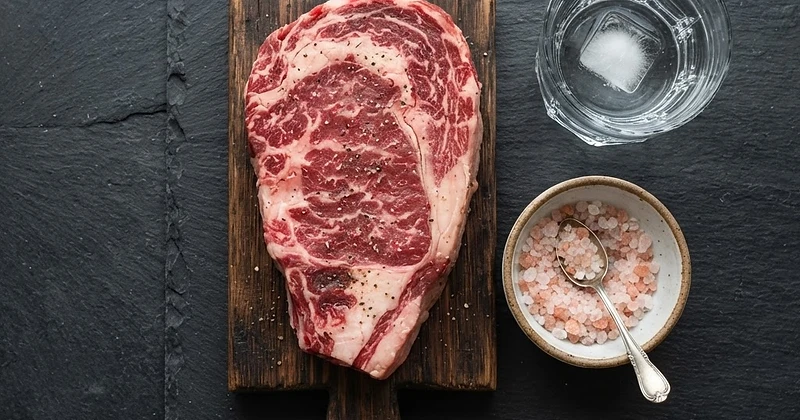
- Salt: Non-iodized, unrefined mineral salt (such as Redmond Real Salt or Celtic sea salt).
Cooking fats are restricted entirely to rendered ruminant suet or tallow. Pork, poultry, fish, eggs, dairy, spices, and coffee are completely removed.
Why Focus Exclusively on a Ruminant Meat Diet?
The primary logic behind a strict ruminant meat diet lies in the digestive anatomy of ruminant animals. Animals like cattle, sheep, and bison possess a multi-chambered stomach system that ferments plant matter via specialized gut microbiota. This natural fermentation process effectively filters out many compounds from their feed, resulting in exceptionally stable fatty acid profiles.
In contrast, monogastric animals like pigs and chickens have single-chamber stomachs. Their tissue fatty acid composition mirrors their feed, often concentrating higher levels of inflammatory polyunsaturated fatty acids (PUFAs) like linoleic acid or feed allergens (such as soy and corn residues). For people dealing with severe autoimmune triggers or mast cell activation syndrome (MCAS), avoiding monogastric meats, eggs, and dairy histamines often leads to marked symptom reduction.
Lion Diet vs Carnivore: Direct Comparison
| Feature | Classic Carnivore | The Lion Diet |
|---|
| Allowed Foods | All animal meats, seafood, eggs, dairy, animal fats | Ruminant meat only (beef, lamb, bison, deer) |
| Seasonings | Salt, pepper, animal-based sauces, mild spices | Pure salt and water only |
| Primary Goal | Body recomposition, metabolic health, lifestyle sustainability | Deep autoimmune recovery, gut healing, radical elimination |
| Flexibility | Moderate (can dine out, diverse proteins) | Very low (requires strict meal discipline) |
| Duration | Long-term lifestyle or seasonal protocol | Temporary therapeutic tool (30–90 days minimum) |
Key Benefits: When to Choose Which Protocol
When to Choose the Lion Diet
The Lion Diet serves as a precision intervention. It is best suited for individuals who have tried general low-carb or clean ketogenic diets without fully resolving their health issues. You should consider the Lion Diet if you experience:
- Severe Autoimmune Conditions: Systemic symptoms such as rheumatoid arthritis, psoriasis, lupus, or Hashimoto's that flare in response to subtle dietary triggers.
- Unresolved Gut Dysfunction: Intractable Small Intestinal Bacterial Overgrowth (SIBO), Crohn's, or severe Irritable Bowel Syndrome (IBS).
- Histamine Intolerance: Removing aged cheeses, seafood, and cured bacon eliminates heavy histamine loads.
- Egg or Dairy Sensitivities: Many carnivores inadvertently stall because of casein, whey, or egg white albumins triggering low-grade inflammation.
When to Choose the Standard Carnivore Diet
For most people pursuing metabolic health, weight management, or athletic performance, a broader carnivore approach offers major advantages:
- Social and Practical Sustainability: Enjoying poultry, bacon, burgers, and fish makes dining out and traveling significantly simpler.
- Culinary Variety: Alternating between salmon, ribeye, pork belly, and eggs prevents meal fatigue.
- Nutritional Diversity: Including whole eggs and shellfish provides easy access to folate, iodine, choline, and omega-3 fatty acids, mitigating the risk of micronutrient imbalances discussed in clinical reviews like the scoping paper by Lietz et al..
Actionable Strategy: How to Implement the Protocols
Rather than viewing these two approaches as competing philosophies, consider the Lion Diet as Phase 1 of an advanced carnivore reset.
- The 30-Day Lion Reset: Commit to eating solely ruminant meat (ground beef, ribeye, chuck roasts, lamb chops), unrefined salt, and water for 30 to 60 days. This allows gut permeability to recover and establishes your true health baseline.
- Systematic Reintroduction: Once your symptoms stabilize, introduce one omitted animal food at a time every 5 to 7 days. Start with pasture-raised egg yolks, followed by whole eggs, then monogastric meats (pastured pork or poultry), wild seafood, and finally cultured dairy (ghee or butter).
- Identify Personal Triggers: If a specific reintroduction triggers joint pain, skin breakouts, or digestive discomfort, eliminate it again. Your ideal long-term carnivore template will become clearly defined.
Sources & References