Confused between the Lion Diet and standard Carnivore? Discover key differences, complete food lists, and learn which animal-based elimination protocol fits your health goals.
We only share products we believe in. Buying through a link may earn us a small commission — thanks for the support. Learn more →
Animal-based eating has revolutionized how people approach chronic inflammation, gut distress, and metabolic dysfunction. Yet newcomers frequently find themselves at a crossroads: should you pursue a broad carnivore lifestyle, or go all-in on the ultra-strict beef salt water diet known as the Lion Diet?
While both frameworks eliminate plant antinutrients, seed oils, and refined carbohydrates, they serve different physiological purposes. Understanding the core distinctions between the lion diet vs carnivore will help you pinpoint the right protocol for your personal health journey.
The Core Difference: Elimination vs. Lifestyle
At its core, the standard carnivore diet is an animal-based lifestyle encompassing meat, poultry, seafood, eggs, and often dairy. Proponents leverage it for steady fat loss, stable energy, and general wellness without the gut irritation caused by fiber or plant toxins.
By contrast, the Lion Diet—popularized by Mikhaila Peterson—is an intensive carnivore elimination diet designed as a hard baseline reset. Rather than including all animal products, the Lion Diet restricts your intake exclusively to the meat and fat of ruminant animals, salt, and water. As documented in a scoping review on meat-based diets published in PMC, the Lion Diet represents the strictest end of the carnivore spectrum, stripped down to avoid nearly every common food antigen.
Side-by-Side Food Lists
Knowing what goes on your plate makes the operational contrast immediately apparent.
The Lion Diet Food List
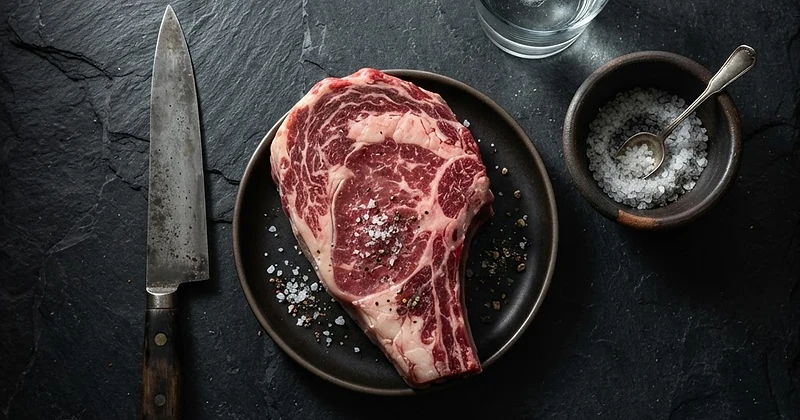
The Lion Diet is strictly a ruminant meat diet. Ruminants possess a four-chambered stomach (including a rumen) that ferments and purifies plant matter into clean, species-appropriate saturated fats and proteins:
- Primary Meats: Beef, lamb, bison, venison, goat, and elk.
- Fats: Ruminant tallow and suet (no pork lard, duck fat, or butter).
- Seasoning: Pure sodium chloride (such as unrefined rock salt or sea salt).
- Beverages: Pure water (still or sparkling).
- Strictly Excluded: Poultry, pork, fish, shellfish, eggs, dairy, seasonings, herbs, and coffee.
The Standard Carnivore Diet Food List
A broad carnivore menu offers expansive animal-kingdom variety:
- Red Meats: Beef, lamb, pork, and game meats.
- Poultry: Chicken, turkey, duck, and quail.
- Seafood: Salmon, sardines, mackerel, shrimp, crab, oysters, and scallops.
- Eggs: Whole chicken, duck, or quail eggs.
- Dairy (optional): Butter, ghee, heavy cream, and hard cheeses.
- Beverages: Water, bone broth, and often black coffee or plain tea.
Why Choose a Ruminant Meat Diet?
You might wonder why anyone would restrict themselves beyond a standard meat-and-egg carnivore regimen. The primary clinical reason comes down to immune reactivity, digestive integrity, and chemical triggers like histamines and food proteins.
1. Eliminating Stealth Food Allergens
Eggs (specifically egg white albumin) and dairy proteins (such as casein and whey) are notorious dietary allergens. Even on a standard carnivore diet, individuals dealing with severe leaky gut or autoimmune conditions may continue experiencing joint flare-ups, eczema, or brain fog due to regular intake of butter, heavy cream, or scrambled eggs. The Lion Diet removes these triggers entirely.
2. Polyunsaturated Fats and Linoleic Acid
Monogastric animals—like pigs and chickens—have single-chamber stomachs. When fed high-grain, soy-heavy rations, their fat tissues accumulate higher levels of polyunsaturated linoleic acid. Ruminants, on the other hand, biohydrogenate unsaturated fatty acids in their rumen, producing meat and fat rich in stable saturated fats and conjugated linoleic acid (CLA), regardless of background feeding patterns.
3. Histamine Intolerance
Many individuals migrating to animal-based diets suffer from histamine intolerance or mast cell activation. Cured bacon, canned sardines, aged cheeses, and leftover poultry can trigger severe histamine dumps. Fresh, unaged ruminant cuts (like fresh lamb or flash-frozen beef steaks) minimize histamine exposure, facilitating deeper mast-cell calm.
Lion Diet vs Carnivore: Which Should You Choose?
Selecting your starting protocol depends heavily on your current symptom severity, metabolic baseline, and behavioral adherence.
Start with the Lion Diet if:
- You suffer from debilitating autoimmune diseases (such as rheumatoid arthritis, psoriasis, or Hashimoto's).
- You experience persistent gut inflammation, SIBO, or severe histamine flare-ups on a broader carnivore menu.
- You want the cleanest possible elimination baseline to systematically reintroduce foods after 6 to 12 weeks.
- You suspect subclinical reactions to eggs, pork, or dairy products.
Choose Standard Carnivore if:
- Your primary goals are sustainable weight loss, body recomposition, and metabolic health.
- You have no obvious autoimmune conditions or gut permeability challenges.
- You require culinary variety to prevent diet fatigue and ensure long-term consistency.
- You prefer dining out easily with friends and family without asking hyper-specific preparation questions.
Actionable Blueprint: How to Implement Your Diet
- Determine Your Strategy: If your health is severely compromised, commit to 60 days on the beef salt water diet to establish a pristine symptom-free baseline. If you simply want metabolic fat burning and athletic energy, start with full-spectrum carnivore.
- Prioritize Fat Ratios: When eating only ruminant meat, aim for a roughly 70:30 or 80:20 fat-to-protein calorie split. Rely on cuts like ribeye, 75/25 ground beef, lamb shoulder, and beef tallow to prevent "rabbit starvation" and maintain hormonal balance.
- Manage Your Electrolytes: Dropping dietary carbohydrates triggers rapid sodium shedding through the kidneys. Salt your meats aggressively with high-quality mineral salt to prevent lethargy, muscle cramps, and keto-adaptation headaches.
- Reintroduce Methodically: If using the Lion Diet as a diagnostic tool, maintain strict compliance until symptoms subside, as emphasized by clinical guidance from institutions like the Cleveland Clinic. Afterwards, reintroduce one animal food at a time (e.g., egg yolks first, then whole eggs, then butter) over 3-to-4-day intervals while monitoring for systemic reactions.
Sources & References