Lion Diet vs. Standard Keto for Insulin Resistance: Why Eliminating Dairy and Plants Matters
← All articles
Insulin ResistanceLion

Lion Diet vs. Standard Keto for Insulin Resistance: Why Eliminating Dairy and Plants Matters

Standard ketogenic diets improve glycemic control, but stubborn insulin resistance often lingers. Discover why eliminating plants, dairy, and food allergens via the Lion Diet creates the ultimate metabolic reset.

By Editorial Team

We only share products we believe in. Buying through a link may earn us a small commission — thanks for the support. Learn more →

When individuals first discover low-carbohydrate nutrition to reverse metabolic dysfunction, the standard ketogenic diet is typically the first stop. Cutting sugar, grains, and high-glycemic starches produces undeniable improvements in HbA1c, fasting glucose, and triglycerides. Yet, a sizable population hits a stubborn plateau: visceral fat refuses to budge, fasting insulin stays stubbornly elevated, and dawn phenomenon spikes persist.

When comparing the Lion Diet vs. standard keto for insulin resistance, the differences go far deeper than simple carbohydrate counting. While keto removes obvious dietary glucose, it routinely retains dairy, plant-based anti-nutrients, industrial seed oils, and artificial sweeteners. The Lion Diet—an ultra-strict elimination protocol consisting exclusively of ruminant meat, salt, and water—strips away every confounding variable. Understanding why eliminating dairy and plant compounds matters can unlock deep metabolic recovery for those battling stubborn insulin resistance.

The Limits of Standard Keto for Metabolic Syndrome

A standard ketogenic diet aims to shift the body into ketosis by keeping carbohydrates under 20–50 grams per day, maintaining moderate protein, and deriving 70% or more of calories from fat. According to research published in PMC, ketogenic therapies produce rapid initial improvements in body weight and glycemic regulation. However, standard keto is not an elimination diet; it is simply a macronutrient ratio.

In standard keto, dieters consume large amounts of:

  • Cheese, heavy cream, whey, and butter
  • Nuts, seeds, almond flours, and seed-derived oils
  • Cruciferous vegetables, nightshades, and leafy greens
  • Non-caloric artificial and sugar-alcohol sweeteners

For someone with mild glucose intolerance, these foods may be benign. But when treating strict carnivore vs keto metabolic syndrome cases, these components frequently sustain low-grade chronic inflammation, dysregulate gut integrity, and provoke silent insulin releases that prevent full restoration of metabolic flexibility.

The Silent Culprit: The Dairy Insulin Spike

One of the most misunderstood aspects of ketogenic diets is dairy. Many rely on cheese crisps, heavy cream lattes, and blocks of cheddar to hit high fat targets without adding carbohydrates. Yet, blood glucose readings tell only half the story.

Dairy products are potent insulin secretagogues. Even when they contain near-zero carbohydrates, milk proteins—specifically whey and casein—trigger robust hormonal responses. A study published in The American Journal of Clinical Nutrition / PMC highlights that milk and dairy products stimulate acute hyperinsulinemia disproportionate to their glycemic index. Furthermore, clinical trials documented by Turner et al. in ScienceDirect demonstrated that high consumption of dairy significantly reduced insulin sensitivity compared to a diet focused on red meat in overweight and obese individuals.

The mechanisms behind the dairy insulin spike carnivore and keto dieters experience include:

  • Branched-Chain Amino Acids (BCAAs): Dairy contains a high concentration of leucine, valine, and isoleucine, which act directly on pancreatic beta cells to stimulate insulin secretion.
  • Incretin Stimulation: Dairy peptides stimulate glucose-dependent insulinotropic polypeptide (GIP) and glucagon-like peptide-1 (GLP-1), magnifying the pancreas's insulin response.
  • Insulin-like Growth Factor 1 (IGF-1): Dairy naturally promotes growth pathways, signaling anabolic energy storage rather than systemic fat oxidation.

If you consume keto treats bathed in heavy cream or snack on cheese throughout the day, your circulating insulin remains consistently elevated. Without an extended drop in basal insulin, your liver and peripheral tissues cannot regain receptor sensitivity.

Plant Defense Chemicals and Metabolic Inflammation

Beyond dairy, the fundamental difference between standard keto and the Lion Diet is the complete elimination of plant matter. Conventional dietary guidelines suggest that fiber and leafy greens are mandatory for metabolic health, as noted by the Cleveland Clinic. However, plants protect themselves through chemical defense mechanisms, producing compounds such as oxalates, phytates, lectins, and salicylates.

For individuals with compromised intestinal barriers or systemic autoimmunity, these defense chemicals can drive chronic systemic inflammation. Metabolic syndrome and insulin resistance are not solely energetic disorders—they are fundamentally inflammatory states. Pro-inflammatory cytokines like TNF-alpha and Interleukin-6 (IL-6) disrupt insulin receptor substrate (IRS-1) signaling inside cells, effectively blocking insulin from facilitating cellular glucose uptake. By utilizing an elimination diet for insulin sensitivity that removes all plant anti-nutrients, systemic inflammation drops, clearing the path for insulin receptors to heal.

Why the Lion Diet Works: The Ruminant Meat Advantage

The Lion Diet—popularized by Mikhaila Peterson and evaluated by platforms like The Lion Diet—is the ultimate therapeutic elimination protocol. It permits only:


Join the Community

Create your free account to access personalized targets, daily tracking, and lifestyle guidance tailored to your diet path.

Sign Up Free
  1. Ruminant meat (beef, lamb, bison, goat, elk, venison)
  2. Pure sodium/salt
  3. Clean water

Ruminant animals possess a specialized multi-chambered stomach that ferments plant matter thoroughly, neutralizing plant defense chemicals, pesticides, and unfavorable fatty acid profiles. What reaches the consumer is bioavailable, nutrient-dense nutrition with zero carbohydrates, zero plant toxins, zero dairy proteins, and zero synthetic additives.

1. Basal Insulin Optimization

Unlike dairy, beef stimulates an insulin response that is proportional to physiological needs, primarily facilitating protein synthesis and maintaining euglycemia via balanced glucagon co-secretion. The pancreas is spared the sustained micro-spikes caused by constant keto snacking and dairy fats.

2. Resolution of Endotoxemia

Many individuals with metabolic syndrome suffer from intestinal permeability, allowing bacterial lipopolysaccharides (LPS) into systemic circulation. This metabolic endotoxemia triggers instant insulin resistance in skeletal muscle and adipose tissue. A ruminant-only baseline removes gut irritants entirely, allowing the mucosal lining to heal.

3. Satiety and Caloric Homeostasis

Standard keto treats often override natural satiety cues. Ruminant fat and protein trigger clear cholecystokinin (CCK) and peptide YY (PYY) signaling, preventing hyperpalatable overconsumption and naturally reducing visceral fat stores—one of the primary drivers of insulin resistance identified by MD Anderson Cancer Center.

Lion Diet vs. Standard Keto: Direct Comparison

FeatureStandard Ketogenic DietThe Lion Diet
Food SourcesMeat, fish, eggs, dairy, vegetables, nuts, seed oils, sweetenersExclusively ruminant meat (beef, lamb, bison), salt, water
Carbohydrate Content20–50g net carbs/day0g carbohydrates
Dairy InclusionHigh (cheese, cream, butter, whey)None
Plant Toxins / AntinutrientsPresent (oxalates, lectins, phytates)Completely eliminated
Insulin Response ProfilePeriodic spikes driven by dairy and meal frequencyPredictable, minimal, and balanced by glucagon
Primary ApplicationGeneral weight loss, mild glucose controlSevere metabolic resistance, autoimmunity, refractory diabetes

Actionable Protocol: Transitioning to the Lion Diet for Metabolic Reset

If standard low-carb or keto has left you with stalled weight loss and elevated fasting markers, a 30- to 60-day Lion Diet trial can provide diagnostic clarity and restore insulin sensitivity.

Step 1: Eliminate Dairy Completely

Begin by cutting all cheese, heavy cream, sour cream, and butter. If you cook your meat, use pure beef tallow or simply cook in its own rendering fat. Many find that removing dairy alone breaks multi-month fat-loss stalls within two weeks.

Step 2: Drop All Plant Matter and Sweeteners

Remove nuts, keto breads, low-carb greens, non-nutritive sweeteners, and coffee. While black coffee is low in calories, caffeine can trigger acute cortisol spikes that prompt the liver to release glycogen, provoking an indirect insulin response in hyper-sensitive individuals.

Step 3: Prioritize Fatty Ruminant Cuts

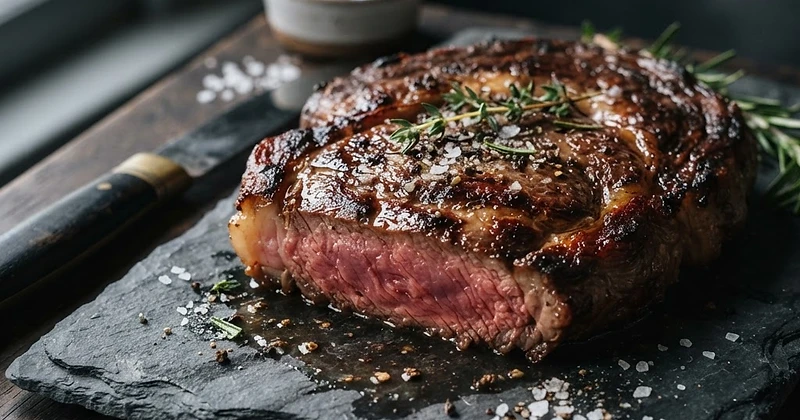
Eat until comfortably stuffed, focusing on fatty cuts of beef or lamb (e.g., 75/25 ground beef, ribeye, short ribs, lamb shoulder). Do not restrict calories. Consuming adequate dietary animal fat ensures steady ATP production without glucose reliance.

Step 4: Manage Electrolytes and Hydration

As your kidneys rapidly excrete sodium when circulating insulin plummets, liberal salting of meat is necessary. Ensure you use unrefined sea salt or rock salt without anti-caking agents to avoid electrolyte headaches and fatigue during the first week.

Step 5: Track Objective Metabolic Markers

Evaluate your baseline before starting and re-test after 30 to 60 days. Monitor:

  • Fasting plasma insulin (aiming for under 5 uIU/mL)
  • Fasting blood glucose
  • HOMA-IR (Homeostatic Model Assessment of Insulin Resistance)
  • HbA1c
  • Waist-to-height ratio

Conclusion: The Ultimate Metabolic Reset

While standard keto provides a functional starting point for weaning off ultra-processed foods, it frequently retains the very triggers—dairy secretagogues and plant irritants—that maintain systemic inflammation and low-level insulin elevation. The Lion Diet removes the metabolic noise. By stripping your fuel down to fatty ruminant meat, salt, and water, you give your pancreatic beta cells rest, calm systemic immune activation, and allow your cells to regain genuine insulin sensitivity.

Sources & References

Join the Community

Create your free account to access personalized targets, daily tracking, and lifestyle guidance tailored to your diet path.

Sign Up Free

We use cookies and similar technologies to operate the site and improve your experience. By continuing, you agree to our use of non-essential cookies. See our Privacy Policy.