Discover how to dial in the ideal lion diet fat to protein ratio to protect against rabbit starvation, support energy levels, and leverage tallow and beef fat trims.
We only share products we believe in. Buying through a link may earn us a small commission — thanks for the support. Learn more →
The Lion Diet—an ultra-strict elimination variant of the carnivore protocol consisting solely of ruminant meat, water, and salt—has gained widespread acclaim for helping people overcome autoimmune conditions, chronic inflammation, and severe gut dysbiosis. However, when transitioning to eating strictly ruminant meat, many newcomers make a fundamental, debilitating error: they consume cuts that are far too lean.
Without dietary carbohydrates, your body relies on fat as its primary substrate for cellular energy and ketosis. When fat intake plummets and lean protein skyrockets, your body struggles to generate sufficient fuel, leaving you vulnerable to metabolic distress and a physiological condition known as protein poisoning or rabbit starvation. Understanding your lion diet fat to protein ratio is not just a nuance of macro tracking—it is an absolute biological necessity.
What Is Rabbit Starvation and Protein Poisoning?
The term "rabbit starvation" (scientifically termed protein poisoning or historically known as mal de caribou) describes an acute form of malnutrition caused by consuming an excess of lean meat devoid of fat or carbohydrates. Early Arctic explorers, including anthropologist Vilhjalmur Stefansson, documented this phenomenon when surviving solely on ultra-lean animals such as wild rabbits or starved caribou.
The human liver possesses a physiological ceiling on how much nitrogen it can process and convert into urea. When you consume excessive lean protein with minimal dietary fat:
- Urea cycle overload: The liver struggles to break down massive amounts of amino acids, leading to an accumulation of toxic circulating ammonia and urea.
- Energy starvation: Protein is structurally inefficient and metabolically expensive to convert into direct ATP via gluconeogenesis. Without fat to produce ketone bodies and free fatty acids, cellular energy collapses.
- Acute symptoms: Sufferers experience severe headaches, insatiable hunger despite a full stomach, nausea, extreme fatigue, brain fog, and chronic diarrhea.
On a strict ruminant-only protocol, succumbing to rabbit starvation on the Lion Diet can happen unexpectedly if you rely heavily on lean mince, sirloin, or flank steaks without intentionally incorporating supplemental ruminant fats.
The Ideal Lion Diet Fat to Protein Ratio
When calculating how much fat on the lion diet is appropriate, it is essential to distinguish between macronutrient ratios by weight (grams) versus ratios by calories.
1. The Caloric Ratio: 70% to 80% Fat
Fat provides 9 calories per gram, whereas protein yields roughly 4 calories per gram. For optimal metabolic health, hormonal equilibrium, and smooth digestion on ruminant meats, leading practitioners recommend that 70% to 80% of your total daily calories come from healthy animal fat, with the remaining 20% to 30% derived from protein.
2. The Gram-for-Gram Ratio: 1:1 to 2:1
When measuring your food on a kitchen scale:
- 1:1 by weight (grams): Consuming 1 gram of fat for every 1 gram of protein provides approximately 70% of your energy from fat. This is generally the baseline requirement for staying out of energy deficits.
- 1.5:1 to 2:1 by weight (grams): Consuming 1.5 to 2 grams of fat for every 1 gram of protein brings your caloric fat intake closer to 75%–82%. This therapeutic ratio is ideal for individuals healing from chronic autoimmune disorders or women requiring additional endocrine support.
Why Lean Ground Beef and Lean Cuts Fail
A common pitfall is purchasing standard supermarket ground beef, such as 90/10 or 85/15 lean-to-fat ground beef, or relying primarily on lean cuts like top round and flank steak. In an 80/20 ground beef package, the 80/20 refers to weight, which yields roughly 70% fat calories in raw form. However, much of that fat renders out into the pan during cooking. If you pour off the rendered grease, your meal suddenly shifts to a high-protein, low-fat macro profile.
Consistently eating this way forces your body into a semi-starvation state where energy is chronically depleted and the digestive tract is strained.
Practical Strategies: Utilizing Tallow and Beef Fat Trims
Because dairy butter, ghee, and vegetable oils are excluded on a strict Lion Diet, achieving your target macro ratio requires deliberate sourcing of ruminant fats. Here is how to incorporate high-density fat sources into your daily routine:
1. Sourcing Fresh Beef Fat Trims and Suet
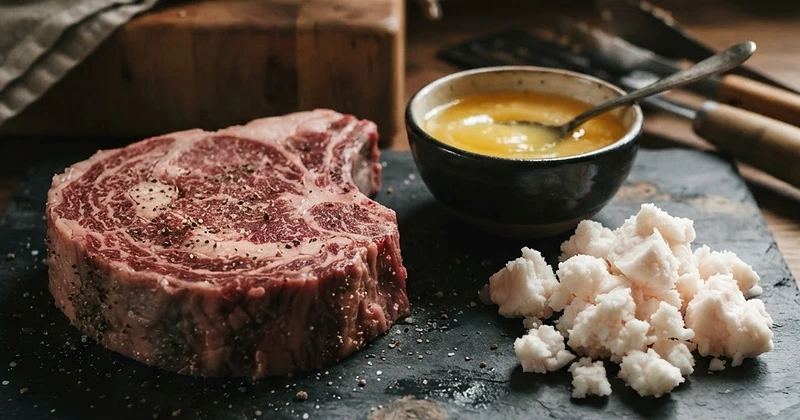
Visit your local butcher and request fresh, raw beef fat trimmings or suet (the hard, nutrient-dense fat surrounding the kidneys). Many butchers discard these trims or sell them at a fraction of the cost of muscle meat. You can:
- Lightly pan-fry fat trimmings until the exterior is crisp while leaving the interior firm and rich.
- Air-fry small cubes of beef fat at medium heat for a crunchy, nutrient-dense side accompaniment to your steak.
2. Using Pure Ruminant Tallow
Tallow is clarified and rendered animal fat—traditionally from beef, bison, or lamb. It provides a stable, shelf-stable source of bioavailable fatty acids, including stearic acid and fat-soluble vitamins:
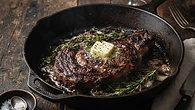
- Cook your steaks, lamb chops, and burgers in generous dollops of pure tallow.
- Never discard pan drippings: pour the rendered tallow back over your cooked meat or mix it directly into ground beef before serving.
- Allow rendered tallow to solidify into bite-sized cold cubes, lightly salting them as a fast, high-fat energy snack throughout the day.
3. Selecting Naturally Marbled Cuts
Prioritize naturally fatty cuts of ruminant meat to minimize the need for external fat additions:
- Beef short ribs, ribeye steaks, brisket, and chuck roasts
- 70/30 ground beef or lamb
- Lamb shoulder chops, lamb ribs, and lamb breast
Signs Your Ratio Needs Immediate Adjustment
Your body offers clear biofeedback regarding whether your fat-to-protein ratio is dialed in:
- Signs you need MORE fat: Brain fog, constant sugar/carb cravings, persistent fatigue, dry skin, muscle cramps, and constipation.
- Signs you need to scale back fat slightly: Acute, loose, watery stools immediately following a meal (a sign your gallbladder and bile flow have temporarily exceeded their processing capacity).
Actionable Next Steps
- Audit your grocery cart: Swap out lean steaks for heavily marbled ribeyes, beef chuck roasts, and lamb shoulder chops. Aim for 70/30 or 75/25 ground meats.
- Secure supplemental fat: Order raw beef fat trimmings or kidney suet from a local regenerative farm or butcher. Keep a jar of pure, grass-fed beef tallow on your kitchen counter.
- Track for three days: Enter your typical day of ruminant eating into a nutrient tracker to determine your actual fat-to-protein ratio by weight. Adjust until at least 70%–75% of your caloric intake originates from ruminant fat.
Sources & References