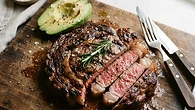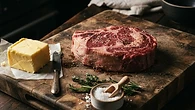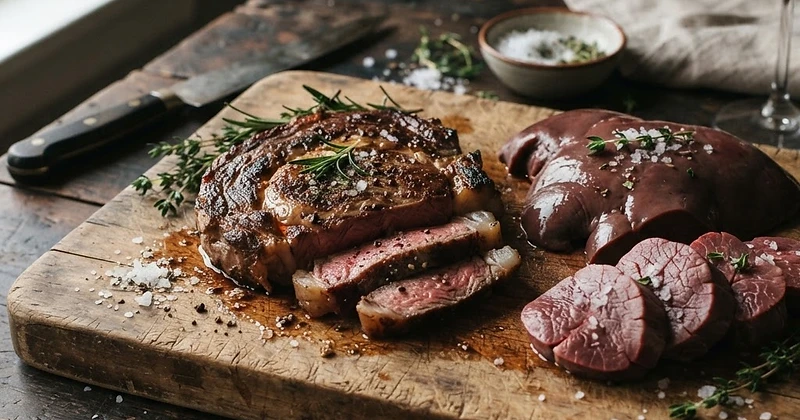
Few debates ignite as much passion in the ancestral eating world as the question of offal. On one side, champions of nose to tail carnivore nutrition argue that organs like beef liver and heart represent evolutionary gold standards—nature’s true multivitamins without which nutritional disaster looms. On the other side, strict muscle-meat adherents point to decades-long carnivores thriving entirely on ribeyes, ground beef, salt, and water.
So, where does the truth lie? Do you have to eat liver on carnivore, or are muscle meats, fat, and eggs sufficient to prevent chronic deficiencies? Let’s examine the biochemical reality of organ meats carnivore diet protocols, compare their nutrient density against standard steaks, and find the balanced approach that works best for your health.
The Case for Offal: What Liver and Heart Bring to the Table
Advocates of whole-animal eating emphasize that ancestral human populations rarely abandoned nutrient-rich viscera. According to clinical evaluations and ancestral nutrition analyses such as those highlighted by Kiltz Health on Nose-to-Tail Eating, organ meats contain uniquely concentrated micronutrient matrices that balance typical muscle cut consumption.
Beef Liver: Nature’s Concentrated Multivitamin
Gram for gram, ruminant liver is among the most nutrient-dense foods on Earth. Unlike muscle cuts that lean heavily into zinc, B12, and amino acids, beef liver supplies key micronutrients in massive bioavailable concentrations:
- Preformed Vitamin A (Retinol): Critical for cellular reproduction, vision, thyroid hormone utilization, and immune mucosal defense. Plant beta-carotene converts poorly to active retinol; liver provides it fully formed.
- Bioavailable Copper: High intake of muscle meat provides zinc, but without copper, the body cannot regulate iron utilization, maintain antioxidant defense systems (SOD enzymes), or synthesize collagen effectively.
- Folate (Vitamin B9) and Choline: Crucial for DNA methylation, cognitive health, neurotransmitter balance, and non-alcoholic fatty liver prevention.
- Trace Vitamin C: Muscle meats carry trace amounts, but fresh organ meats—specifically liver—deliver usable quantities of vitamin C to prevent scorbutic conditions on a zero-carb protocol.
Beef Heart: Cellular Energy and CoQ10
Technically an endurance muscle, the mammalian heart behaves nutritionally like a bridge between muscle steak and deep organ meats. As documented by Cleveland Clinic's review of organ meat benefits, heart tissue provides an abundant natural source of Coenzyme Q10 (CoQ10), alpha-lipoic acid, iron, and taurine. CoQ10 is an essential component of the mitochondrial electron transport chain, directly supporting cellular ATP creation and cardiovascular efficiency.
Do You Have to Eat Liver on Carnivore?
The short answer is no, it is not strictly required for everyone to survive or even thrive, but whether you can skip it depends heavily on your baseline health, life stage, and chosen animal sources.
Thousands of zero-carb advocates have documented sustained optimal health for 5, 10, and even 20 years consuming purely ruminant muscle meats (beef, lamb, bison) and fat. Why does this happen if traditional dietary charts suggest muscle meat lacks specific RDA values?
- Lower Metabolic Demand for Certain Nutrients: Carbohydrate consumption elevates the requirement for specific cofactors, such as vitamin C and certain B vitamins, because glucose competes with ascorbic acid for cellular uptake via GLUT receptors. In a ketogenic or carnivore state, your baseline demand for these micronutrients decreases markedly.
- Superior Bioavailability: The Recommended Daily Allowances (RDAs) are calibrated against standard diets full of phytates, oxalates, and lectins that bind minerals like iron, zinc, and magnesium. On a meat-only diet, anti-nutrients are eradicated, making nutrient absorption vastly more efficient.
- Fat-Soluble Reservoirs: The human liver stores large quantities of vitamin A and B12. Someone coming from a standard diet may draw down on internal stores for years without manifesting severe clinical deficiency.
When Carnivore Nutrient Deficiencies Can Occur Without Organs
While strict muscle-meat regimens work well for many, they can leave gaps for individuals with heightened physiological demands or pre-existing imbalances. Common carnivore nutrient deficiencies that an organ-supplemented diet can prevent include:
- Copper/Zinc Dysregulation: Muscle meat is rich in zinc. If you consume vast amounts of muscle meat without an occasional copper source (such as liver, oysters, or shellfish), you risk creating an imbalance over time.
- Folate Depletion: Those with genetic methylation variations (such as MTHFR mutations) often struggle to maintain adequate folate levels on muscle meat alone. Adding 1–2 ounces of liver weekly delivers pre-methylated, bioactive folates.
- Fat-Soluble Nutrient Imbalances: If your animal intake lacks high-quality pasture-raised egg yolks, butterfat, or offal, obtaining sufficient fat-soluble vitamins (A and K2) can become challenging.
The Real Danger: Hypervitaminosis A and Copper Overload
More is not always better. One of the most prevalent mistakes among new carnivores is treating liver like ordinary steak, consuming large portions multiple times per week. According to scientific reviews, including PMC's Scoping Review of the Carnivore Diet, liver should be consumed prudently due to its extremely high preformed retinol content.